.png)
Overview
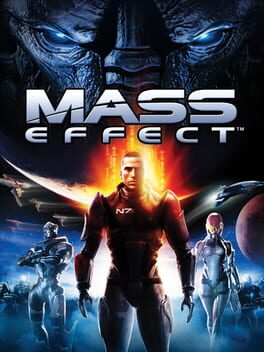
The Mass Effect franchise has long stood as a benchmark for narrative‑driven, choice‑heavy RPGs, its first three installments shaping a generation of players and setting a high bar for storytelling in interactive media. From the sweeping political intrigue of the Citadel to the personal stakes of Commander Shepard’s journey, the series cultivated a devoted fanbase that expects both cinematic gravitas and meaningful consequence, a duality that has become a litmus test for any future sci‑fi RPG endeavour.
In the years since the 2012 conclusion of the original trilogy, BioWare has weathered a series of corporate restructurings, the departure of key creative leads, and a shift toward live‑service models, leaving the community restless for a true sequel that recaptures the series’ original spirit. The broader industry context—marked by the rise of narrative‑centric blockbusters such as The Witcher 3 and the meteoric success of open‑world experiences—has amplified expectations, making the forthcoming Mass Effect 4 not merely a continuation but a potential barometer for BioWare’s relevance in a market that increasingly rewards developer authenticity over franchise nostalgia alone.
What Happened?
During a recent interview, Armando Troisi—who crafted the iconic opening cinematic for the first Mass Effect and helmed the cinematic direction of Mass Effect 2—asserted that the studio’s current composition renders external consultancy unnecessary. Troisi emphasized that a substantial portion of the original creative cohort, from narrative designers to technical artists, remains embedded within BioWare’s Edmonton and Austin studios, providing a continuity of vision that he believes is essential for preserving the franchise’s core identity.
Troisi’s remarks arrived alongside EA’s quarterly briefing, where the publisher confirmed that development on the forthcoming Mass Effect 4 is proceeding on the Frostbite engine, with a projected launch window aimed at the 2026 holiday season. The veteran designer also hinted that the team is leveraging lessons learned from the controversial launch of Anthem and the mixed reception of Dragon Age II, promising a return to the series’ hallmark emphasis on player agency, branching dialogue, and a galaxy‑spanning narrative that reacts to every decision.
Analysis
From a market perspective, BioWare’s decision to rely on internal expertise rather than external advisory firms signals a strategic bet on brand authenticity. In an era where franchises such as The Witcher and Elden Ring have demonstrated the commercial potency of developer‑driven vision, EA appears to be positioning Mass Effect 4 as a flagship title that can re‑energize its RPG portfolio without diluting the creative voice that originally defined the series. This approach could differentiate BioWare from competitors who increasingly outsource narrative design to boutique studios, thereby preserving a cohesive tonal direction that resonates with long‑time fans.
Nevertheless, the technical ambition of porting a sprawling, choice‑laden universe onto the Frostbite architecture presents non‑trivial challenges. Past attempts to retrofit narrative‑centric games onto the engine have resulted in performance bottlenecks and compromised cinematic fidelity, raising concerns that the very team Troisi praises may need to wrestle with engine limitations that could impact the seamlessness of branching storylines and real‑time combat integration. Overcoming these hurdles will require a concerted effort between art directors, systems engineers, and the narrative team to ensure that the engine serves the story rather than constraining it.
XPLog Opinion
XPLog’s stance is cautiously optimistic: the continuity of talent offers a rare opportunity to reconcile the franchise’s storied past with the expectations of a next‑gen audience, yet success will hinge on BioWare’s ability to marry that legacy with modern design sensibilities and robust technical execution. A misstep could not only erode player goodwill but also jeopardize EA’s broader strategy to diversify its portfolio beyond sports and battle‑royale titles, making Mass Effect 4 a pivotal gamble for both studio and publisher.
Final Thoughts
In conclusion, the coming months will be critical as BioWare unveils more concrete milestones—be it a gameplay showcase at E3 or a developer diary later this year. Observers should watch for signals regarding narrative scope, engine optimization, and how the studio plans to integrate community feedback without compromising its creative autonomy. The next major reveal could set the tone for the franchise’s resurgence or confirm lingering doubts about its future trajectory.