.png)
Overview
After a week that left Nintendo largely silent, Sony’s State of Play erupted onto the scene with a trio of announcements that reverberated across the JR‑JRPG landscape and sent ripples through the broader console market. The timing could not be more strategic: a post‑summer lull, a fresh fiscal quarter, and a growing appetite among core gamers for high‑profile, narrative‑driven experiences that bridge nostalgia with next‑gen technology. By foregrounding flagship titles like Final Fantasy VII Revelation and unveiling a free demo for the newly announced Final Fantasy Resonance, Sony signalled a renewed commitment to leveraging its PlayStation brand as the premier home for premium Japanese role‑playing games, a space traditionally dominated by Nintendo’s handheld pedigree.
Historically, Sony’s relationship with Square Enix has oscillated between collaborative triumphs—such as the landmark release of Final Fantasy VII on the original PlayStation—and periods of cautious distance during the era of exclusive titles on rival platforms. The current wave of announcements marks a re‑consolidation of that partnership, one that mirrors the broader industry trend of consolidating high‑budget IPs onto platforms capable of delivering cinematic fidelity and robust online ecosystems. For players, the promise of a full‑scale release date for a long‑awaited sequel and a hands‑on demo for a fresh entry provides a clear roadmap for the upcoming holiday season, while also underscoring Sony’s intent to dominate the premium JRPG segment at a time when Nintendo is pivoting toward broader, family‑friendly experiences.
What Happened?
During the roughly twenty‑minute broadcast, Sony revealed that Final Fantasy VII Revelation, the direct sequel to the 2023 remake, will launch on December 7, 2026, aligning with the company’s broader holiday push. The announcement included a cinematic trailer that highlighted the game’s upgraded engine, real‑time ray tracing, and a deeper exploration of the world’s political intrigue—features that aim to push the PlayStation 5’s hardware to its limits. Square Enix’s lead producer, in a brief interview, emphasized that the narrative will interweave the original’s iconic moments with new character arcs, a strategy designed to satisfy both veteran fans and newcomers alike.
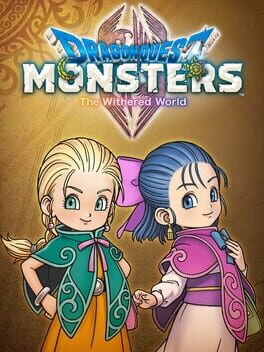
Alongside the sequel, Square Enix unveiled a free demo for Final Fantasy Resonance, a brand‑new title set in an original universe that blends classic turn‑based combat with action‑oriented mechanics. The demo, accessible via the PlayStation Store starting today, offers players a three‑hour window into the game’s core loop, showcasing a seamless transition between exploration and combat that leverages the DualSense’s haptic feedback. The State of Play also featured an updated preview of Dragon Quest Monsters: The Withered World, a spin‑off that revisits the monster‑collecting formula with a modern open‑world twist, signaling Square Enix’s intent to diversify its portfolio across both legacy and experimental sub‑genres.
Analysis
The timing of these announcements is a calculated strike against both Nintendo’s handheld heritage and Microsoft’s growing focus on subscription services. By cementing a December launch for a marquee title, Sony not only secures a flagship for its end‑of‑year sales but also creates a halo effect for the PlayStation 5’s extended lifecycle, which has faced criticism for a perceived slowdown in exclusive releases. Moreover, the free demo model for Resonance reflects an industry‑wide shift toward “experience‑first” marketing, where developers prioritize player immersion before purchase—a tactic that has proven effective for titles like Elden Ring and Hogwarts Legacy in driving pre‑order momentum.
From a market perspective, Square Enix’s dual‑track strategy—delivering a sequel to a beloved franchise while simultaneously launching a fresh IP—mitigates risk by banking on established brand equity while testing the waters for innovation. This approach also positions Sony as the de‑facto hub for premium JRPGs, a niche that commands higher average selling prices and longer player retention cycles. Competitors will need to respond either by accelerating their own exclusive pipelines or by deepening cross‑platform support, a dynamic that could reshape the console wars into a battle over content depth rather than sheer hardware performance.
XPLog Opinion
At XPLog UK, we view Sony’s State of Play as a decisive pivot back to narrative‑driven, high‑budget experiences that have historically defined the PlayStation identity; the firm commitment to both a legacy sequel and a bold new IP demonstrates a confidence in the core gamer demographic that many rivals have abandoned in favor of broader, low‑cost titles. This strategy not only re‑energizes Square Enix’s franchise pipeline but also reinforces Sony’s ecosystem as the premier destination for players seeking depth, craftsmanship, and the kind of immersive storytelling that fuels long‑term community engagement.
Final Thoughts
In sum, Sony’s latest State of Play has set the stage for a transformative quarter in the JRPG arena, with Final Fantasy VII Revelation poised to become a holiday centerpiece and Final Fantasy Resonance offering a fresh narrative frontier. As the industry watches, the real test will be whether these announcements translate into sustained sales momentum and whether Nintendo or Microsoft can counter‑program compelling alternatives. Keep an eye on the December launch window, the upcoming demo feedback cycles, and the next wave of Square Enix disclosures slated for early 2027—those will be the true barometers of this strategic gamble’s success.