.png)
Overview
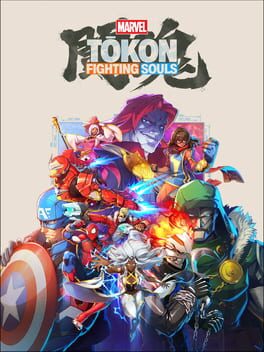
When Sony released the August PS Store chart for North America, the headline‑grabbing statistic was not a new blockbuster RPG or a next‑gen sports title, but a freshly minted superhero fighting game that vaulted into the second‑most‑sold slot. Marvel Tokon: Fighting Souls, a PS5‑exclusive tag‑team brawler that marries the kinetic flair of classic arcade fighters with the narrative weight of Marvel’s sprawling universe, managed to eclipse dozens of established franchises and sit just behind the perennial juggernaut Madden NFL 27. This achievement is remarkable not merely because it is a newcomer, but because it does so in a market that has traditionally been dominated by heavyweight franchises such as Street Fighter, Tekken, and the ever‑present Mortal Kombat lineage.
The broader industry context amplifies the significance of this placement. Sony’s console ecosystem has been aggressively courting the core‑gamer demographic, leveraging the raw horsepower of the PS5 and its integrated haptic feedback to deliver experiences that feel both cutting‑edge and nostalgic. Simultaneously, the fighting‑game community, long a crucible for esports and competitive innovation, has seen a resurgence thanks to the successful launches of Street Fighter 6 and Tekken 8 earlier in the year. Within this revitalized arena, Marvel Tokon’s ascent signals that licensed IP can still break through the genre’s performance‑based expectations, provided the gameplay fundamentals are solid and the online infrastructure meets the exacting standards of tournament‑ready titles.
What Happened?
Marvel Tokon: Fighting Souls entered the August sales window as a surprise entrant, having launched only a few weeks prior to the chart’s compilation. Despite a modest marketing spend compared to the multi‑million campaigns of its sports and action‑adventure counterparts, the game secured the No. 2 position on the North American PS Store, trailing only the annual Madden release. While Sony has not disclosed exact unit numbers, industry analysts estimate that the title moved upwards of 150,000 digital copies in the month, a figure that dwarfs the typical launch performance of indie fighting titles and rivals the opening weeks of many mid‑tier AAA releases.
Developer studio Quantum Studios, a relatively young outfit that grew out of a cadre of former Capcom and Bandai Namco talent, has been vocal about the game’s design philosophy. In a post‑launch interview, lead director Maya Patel emphasized the desire to blend Marvel’s narrative depth with the tag‑team mechanics popularised by games like Dragon Ball FighterZ. The title features a roster of twenty‑four heroes and villains, each equipped with signature abilities that can be chained into synergistic combos, and it supports cross‑play between PS5 and PC via the PlayStation Network. Moreover, the studio pledged a robust post‑launch content roadmap, promising seasonal character additions, balance patches, and a competitive ladder that will integrate directly with the upcoming PlayStation Pulse esports platform.
Analysis
From a market‑share perspective, Marvel Tokon’s performance underscores a shifting paradigm where licensed properties are no longer relegated to peripheral genres. Historically, Marvel games have struggled to find a foothold beyond action‑adventure or open‑world experiments, often hampered by inconsistent quality and fragmented releases across platforms. By delivering a polished, competitive‑first experience on a single console ecosystem, Sony has effectively turned a potential liability into a strategic asset, leveraging the Marvel brand to attract both casual fans of the comics and hardcore fighting aficionados. This dual‑audience appeal expands the genre’s demographic reach, potentially increasing viewership for streaming tournaments and driving peripheral sales such as the DualSense Edge controller.
Technically, the game’s utilisation of the PS5’s Tempest 3D AudioTech and the DualSense’s adaptive triggers adds a tactile dimension that rivals the sensory feedback found in premium arcade cabinets. Such integration not only enhances immersion but also raises the bar for future fighting titles on the platform, compelling competitors to invest in similar hardware‑specific optimisations. However, the title’s reliance on a robust online matchmaking system presents a critical hurdle; any latency spikes or matchmaking imbalances could erode the community’s confidence, especially as the competitive scene begins to coalesce around regional qualifiers for larger esports events. Maintaining a seamless online experience will be pivotal if Marvel Tokon aspires to cement itself alongside the genre’s established stalwarts.
XPLog Opinion
At XPLog UK we view Marvel Tokon’s chart dominance as a watershed moment that validates the marriage of high‑profile IP with authentic fighting‑game design. It proves that a well‑executed tag‑team system, paired with Sony’s first‑party support, can break the monopoly of legacy franchises and invigorate the competitive landscape. Nonetheless, the title’s longevity will hinge on the studio’s ability to sustain balance, deliver compelling narrative tie‑ins, and nurture an esports ecosystem that can compete with the entrenched circuits of Street Fighter and Tekken. If Quantum Studios can navigate these challenges, Marvel Tokon may well become the blueprint for future licensed fighters.
Final Thoughts
Marvel Tokon: Fighting Souls has demonstrated that a fresh fighting game can not only survive but thrive in a crowded market, securing the No. 2 spot on the US PS Store in August and challenging the notion that only long‑standing franchises dominate sales. As the title rolls out its promised seasonal updates and steps onto the PlayStation Pulse tournament stage, the community will be watching closely to see whether its early commercial success translates into enduring competitive relevance. Keep an eye on the October patch notes for balance changes, and mark your calendars for the inaugural Marvel Tokon World Championship slated for early 2027 – events that could cement its legacy as a true heavyweight of the fighting‑game arena.