.png)
Overview
The Xbox Store has long leveraged aggressive "Buy One, Get One Free" (BOGOF) tactics to entice shoppers, a play that mirrors broader industry trends where platform holders use bundle discounts to drive hardware attachment and ecosystem lock‑in. In an era dominated by subscription juggernauts such as Xbox Game Pass and PlayStation Plus, these flash sales serve a dual purpose: they create headline‑grabbing moments on social feeds while also attempting to extract incremental revenue from titles that might otherwise languish in the digital shelf. Historically, Microsoft has oscillated between deep‑discount events and premium pricing, a dance that reflects its ongoing struggle to balance short‑term sales spikes against long‑term brand perception.
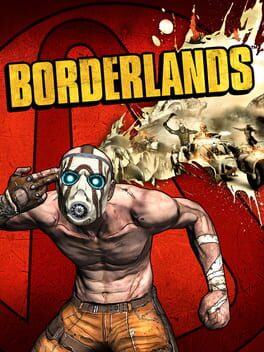
The latest promotion, however, pushes the BOGOF concept to a new extreme by offering six additional games at no extra cost when consumers purchase the forthcoming Borderlands 4 at its full retail price of £69.99/$69.99. While on the surface the offer appears generous, the underlying pricing model—anchoring the entire bundle to the most expensive SKU—means that the perceived value is heavily diluted. This tactic is not unprecedented; similar strategies have appeared during seasonal sales and launch windows, but the sheer number of freebies juxtaposed against a premium flagship title raises questions about whether the deal is a genuine value proposition or a calculated marketing ploy designed to generate buzz without sacrificing margin.
What Happened?
On a Tuesday morning, the Xbox digital storefront displayed a banner proclaiming a "Buy 1, Get 6 Free" deal, with Borderlands 4 positioned as the anchor product. Shoppers who added the game to their cart were automatically granted access to six other titles—ranging from older first‑party releases to third‑party indie gems—without any additional charge. The catch, as clarified in the fine print, is that the total bundle price remains locked at the retail cost of Borderlands 4, effectively making the six supplementary games free only in name. This approach mirrors earlier Xbox promotions where the most expensive game dictated bundle pricing, a method that has historically drawn criticism for inflating the perceived discount while delivering limited real savings.
Microsoft’s communications around the promotion were deliberately sparse, offering a terse statement that emphasized the "value" of the bundle while omitting details about the specific titles included. Industry observers speculate that the timing aligns with the lead‑up to the holiday shopping season, a period when console manufacturers traditionally ramp up promotional activity to capture discretionary spend. By bundling a high‑profile, upcoming AAA title with a mix of legacy content, Xbox appears to be hedging its bets: leveraging the hype surrounding Borderlands 4 to spotlight its back‑catalog while also testing consumer appetite for large‑scale bundles in an ecosystem increasingly dominated by subscription access.
Analysis
From a market performance standpoint, the promotion is a calculated gamble. On one hand, the headline‑grabbing "Buy 1, Get 6" phrasing is likely to generate clicks, social media chatter, and short‑term traffic spikes—metrics that can be monetized through ad impressions and cross‑sell opportunities. On the other hand, the reliance on a premium price point may alienate price‑sensitive segments, especially when comparable bundles on competing platforms frequently lean on deep discounts or leverage subscription credits. Moreover, the deal underscores a broader tension within Microsoft’s strategy: the push to grow Game Pass subscriber numbers versus the need to sustain traditional retail margins on flagship releases.
Technical and logistical considerations also play a role. Bundling multiple titles under a single transaction requires careful DRM coordination, regional licensing compliance, and clear communication to avoid consumer confusion—a challenge that has tripped up previous multi‑title promotions. Additionally, the perception of value is heavily influenced by the relevance of the free titles; if the ancillary games are older or niche, the bundle may feel like a gimmick rather than a genuine enrichment of the player’s library. This could erode trust over time, especially as gamers become more accustomed to transparent pricing models and curated experiences offered by subscription services.
XPLog Opinion
At XPLog UK, we view the "Buy 1, Get 6" stunt as a mixed‑bag proposition: while the headline is undeniably eye‑catching, the underlying economics suggest a superficial discount that does little to shift the broader market dynamics. In a landscape where Game Pass continues to redefine how players acquire content, such flash sales risk being perceived as relics of an outdated retail mindset. Our recommendation to the Xbox team is to pivot toward more nuanced, value‑driven bundles that complement, rather than compete with, their subscription offering—perhaps by granting exclusive in‑game cosmetics or early‑access windows that cannot be replicated within a pass.
Final Thoughts
In sum, the Borderlands 4 bundle exemplifies Microsoft’s ongoing experimentation with pricing levers as it navigates a post‑pandemic gaming economy where subscription models dominate and consumer expectations for transparency are higher than ever. Players should keep an eye on upcoming announcements in the next few weeks, particularly any refinements to Xbox’s promotional playbook that might better align with the evolving preferences of the core gaming community. Whether this deal will translate into sustained sales uplift or simply fade as a momentary curiosity remains to be seen, but it undeniably adds another chapter to the story of how console giants balance headline‑grabbing offers with genuine player value.