.png)
Overview
When Nintendo first introduced the eShop in 2017, the digital storefront quickly became the linchpin of the Switch’s value proposition, allowing both indie auteurs and heavyweight studios to reach a global audience without the logistical overhead of physical distribution. Over the past six years the company has refined the art of timed discount events, turning them into cultural moments that not only boost short‑term revenue but also reshape player expectations around price elasticity and catalogue longevity. The current Blockbuster eShop sale, now rolling out across the United Kingdom and continental Europe, is the latest iteration of this strategy, and its timing—just as the console is entering its seventh year—carries weighty implications for Nintendo’s hardware lifecycle and the broader market dynamics of handheld gaming.
Historically, Nintendo’s major sales have acted as barometers for the health of the Switch ecosystem. The 2020 “Summer of Switch” sale, for example, coincided with a surge in first‑party titles that helped the console weather the pandemic‑induced supply crunch. Fast‑forward to 2024, and the platform is grappling with a maturing library, a competitive onslaught from cloud‑gaming services, and an increasingly price‑sensitive consumer base. By extending the Blockbuster event until 13 September 2026, Nintendo signals a willingness to keep the storefront vibrant for the long haul, offering a curated selection of games that have earned a 9/10 or higher rating from critics—a move designed to reinforce the perception of the Switch as a premium, yet affordable, gaming hub.
What Happened?
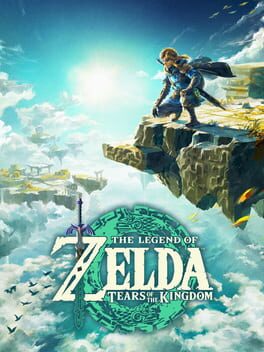
The latest sale was announced simultaneously on Nintendo’s regional eShop pages and via a coordinated press push on NintendoLife, highlighting a list of 78 titles that span both Switch generations. Each of these games—ranging from polished indie gems to heavyweight franchises such as "The Legend of Zelda: Tears of the Kingdom" expansions and "Mario Kart 9"—has been slashed by a minimum of 30 % off its standard price, with some marquee entries seeing discounts approaching 70 %. Crucially, Nintendo has chosen to spotlight only those titles that have consistently scored 9/10 or above on aggregate review sites, thereby positioning the sale not merely as a clearance event but as a curated showcase of quality content.
Developer statements accompanying the announcement underscore a dual motive: to reward the loyal fanbase that has kept the Switch afloat in a crowded market, and to attract new adopters who may have been hesitant about the console’s aging hardware. Nintendo’s regional marketing lead, Hannah O'Leary, emphasized that the sale is part of a broader “value‑first” initiative that will see periodic price drops on high‑quality titles throughout the console’s remaining lifespan. The rollout also includes a limited‑time “Bundle Boost” where players can purchase a discounted bundle of two or three games at an even deeper price point, a tactic reminiscent of the 2022 “Switch Bundle Blitz” that drove a measurable uptick in digital sales volume.
Analysis
From a market‑share perspective, the Blockbuster sale functions as a strategic lever to sustain the Switch’s relevance against next‑gen rivals like the PlayStation 5 Slim and the Xbox Series S, both of which are aggressively courting the mid‑tier consumer with aggressive pricing and subscription bundles. By flooding the market with high‑rated titles at reduced prices, Nintendo effectively lowers the barrier to entry for late adopters, thereby extending the console’s install base and preserving a robust user ecosystem for its upcoming titles, including the highly anticipated "Metroid Prime 4" sequel. Moreover, the sale’s emphasis on quality over quantity may help to counteract the growing perception that the Switch’s library is becoming stale, a narrative that has been leveraged by competitors to poach hardcore gamers.
Technical considerations also play a role. The Switch’s OLED model, released in 2021, still shares the same CPU architecture as its predecessors, limiting its ability to run graphically intensive third‑party releases without compromises. By centering the discount campaign around games that are already optimized for the platform—many of which are native Switch titles rather than ports—Nintendo sidesteps potential criticism about performance throttling while reinforcing its reputation for delivering seamless, console‑specific experiences. In the longer term, the revenue generated from this sale can be reinvested into the development pipeline, supporting both first‑party studios and the thriving indie scene that has become a hallmark of the Switch’s identity.
XPLog Opinion
At XPLog UK we view the Blockbuster eShop sale as a masterstroke of ecosystem stewardship; Nintendo is not merely dumping excess inventory but is actively curating a premium catalogue that re‑engages dormant players and entices newcomers with a low‑risk entry point. This approach mirrors the successful tactics employed by Sony during the PlayStation 4’s “Greatness Sale” era, yet Nintendo adds its own twist by anchoring the discounts to critical acclaim, thereby preserving the brand’s quality‑first ethos. In a market where subscription services are eroding traditional purchase models, Nintendo’s focus on ownership‑centric discounts could prove to be a differentiator that sustains long‑term loyalty.
Final Thoughts
In sum, the Blockbuster eShop sale is more than a seasonal price cut; it is a calculated maneuver to fortify the Switch’s ecosystem as the console approaches the twilight of its hardware generation. By marrying deep discounts with a rigorous quality filter, Nintendo not only drives immediate sales but also cultivates a healthier, more engaged player community that will be essential when the next hardware iteration finally arrives. Gamers should keep an eye on the sale’s end date—13 September 2026—and watch for follow‑up promotions that may hint at the company’s roadmap for the post‑Switch era, including potential hints at a successor platform or expanded cloud‑gaming initiatives.