Overview
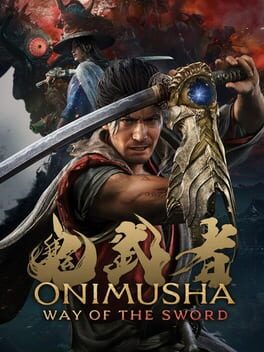
Capcom's decision to resurrect the classic Onimusha franchise for modern audiences arrives at a pivotal moment for both the developer and Nintendo's forthcoming handheld, the Switch 2. The original Onimusha series, launched in the early 2000s, defined the action‑adventure genre with its cinematic swordplay, atmospheric feudal Japan settings, and a blend of horror and mythology that resonated with core gamers worldwide. By reimagining the title as Onimusha: Way of the Sword, Capcom not only pays homage to its storied past but also tests the limits of contemporary hardware, aiming to deliver a nostalgic experience that feels freshly polished rather than merely emulated.
The broader industry landscape amplifies the significance of this release. Handheld and hybrid consoles have entered a renaissance, with Sony's PlayStation 5 Slim and Microsoft's Xbox Series S targeting budget‑conscious gamers, while Nintendo's upcoming Switch 2 promises a leap in processing power without abandoning the portability ethos that made the original Switch a cultural phenomenon. In this crowded ecosystem, a technically competent port from a heavyweight like Capcom can serve as a benchmark for how legacy franchises adapt to new hardware generations, influencing purchasing decisions and shaping the perception of the Switch 2's launch library.
What Happened?
Digital Foundry, renowned for its meticulous hardware dissections, released a comprehensive tech review of Onimusha: Way of the Sword, zeroing in on the Switch 2 iteration. Their analysis highlighted an optional 30 frames‑per‑second mode that unlocks smoother combat animations and reduces input latency, a notable improvement over the 20‑fps baseline many early Switch 2 titles have exhibited. The review noted that this mode, while optional, does not compromise visual fidelity; textures remain crisp, lighting retains its dynamic range, and the game's signature blood‑splatter effects are rendered without the pop‑in issues that plagued earlier handheld ports.
Beyond the frame‑rate discussion, the review underscored Capcom's strategic use of the Switch 2's upgraded GPU architecture to implement a refined draw distance and a more stable resolution scaling algorithm. This results in fewer frame drops during intense boss encounters, a scenario where the original titles historically strained hardware. While the video also covered performance on other platforms—such as the PlayStation 5 and Xbox Series X—the Switch 2 version emerged as the most technically impressive handheld offering, suggesting that Capcom has prioritized optimization for Nintendo's ecosystem, perhaps as a calculated move to capture the dedicated fanbase that still prefers portable play.
Analysis
The emergence of a high‑quality Onimusha port on the Switch 2 could reverberate through the market in several ways. First, it signals to other legacy publishers that the new handheld can handle demanding 3D action titles without resorting to heavy down‑scaling, thereby encouraging a wave of similar revivals that might otherwise have been confined to next‑gen consoles. Second, Capcom's willingness to embed an optional performance mode demonstrates a growing industry trend toward giving players agency over the balance between visual fidelity and responsiveness—a practice that has become standard on PC but is only now gaining traction on consoles. Finally, the technical success of this title may pressure Nintendo to ensure that the Switch 2's development tools remain accessible, as a steep learning curve could deter third‑party studios from fully exploiting the hardware's capabilities.
XPLog Opinion
From XPLog UK’s perspective, Onimusha: Way of the Sword on Switch 2 is more than a nostalgic cash‑in; it is a litmus test for the platform’s long‑term viability as a serious contender in the core gaming arena. Capcom’s meticulous optimization shows that when developers invest the necessary resources, the Switch 2 can deliver experiences that sit comfortably alongside traditional console releases, eroding the historic perception of handhelds as second‑class hardware. This should embolden indie studios and mid‑tier publishers alike to target the Switch 2 early in their development cycles, potentially enriching the ecosystem with a diverse slate of titles that appeal to both casual and hardcore audiences.
Final Thoughts
In sum, Digital Foundry’s positive appraisal of Onimusha: Way of the Sword underscores a turning point where legacy franchises can thrive on next‑generation handhelds without sacrificing the performance standards set by home consoles. As the Switch 2 edges closer to launch, industry watchers should keep an eye on Capcom’s upcoming patch schedule, Nintendo’s official performance guidelines, and the broader wave of remastered titles that may follow, all of which will shape the handheld’s reputation among core gamers for years to come.
.png)
 XPLog
03 Sep 2026
4 min read
XPLog
03 Sep 2026
4 min read