.png)
Overview
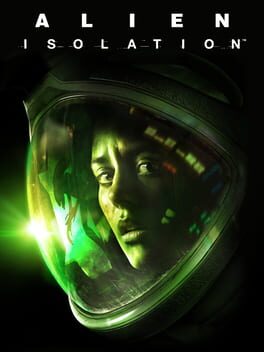
When Creative Assembly announced Alien: Isolation 2, the gaming community braced for a sequel that would finally bridge the gap between Ridley Scott’s 1979 masterpiece and James Cameron’s iconic follow‑up, Aliens. Instead, the studio signaled a deliberate choice to tether the new title exclusively to the original film and its own 2014 survival‑horror predecessor, eschewing the entire post‑Scott cinematic canon. This decision sits at the intersection of licensing realities, brand stewardship, and a broader industry trend where developers lean on nostalgia to differentiate in an increasingly crowded horror market. The original Alien, with its claustrophobic dread and ambiguous threat, remains a gold standard for atmospheric terror, and Creative Assembly appears intent on mining that well without diluting it with the militaristic, action‑heavy tone that defined the Cameron sequels.
The timing of the announcement could not be more consequential. The past decade has seen a resurgence of survival‑horror franchises—Resident Evil’s cinematic rebirth, the revival of Silent Hill, and the successful re‑launch of Dead Space—each leveraging both legacy and modern technology to captivate both veteran and new players. Meanwhile, streaming platforms have reignited interest in classic sci‑fi horror, and the upcoming Alien film slate hints at renewed mainstream attention. Within this ecosystem, Creative Assembly’s strategic focus on the original narrative framework not only positions Isolation 2 as a purist’s homage but also as a calculated move to capture the segment of gamers who demand fidelity to the source material, thereby carving a niche that could translate into strong launch sales and sustained community engagement.
What Happened?
During a live‑streamed press event, Creative Assembly’s creative director outlined that Alien: Isolation 2 will take the terror from the cramped corridors of the Sevastopol space station to a desolate, planetside colony—a setting that mirrors the shift seen in Aliens but is built on entirely new, original environments. The developers emphasized that every visual cue, audio design, and creature behavior will be drawn from the 1979 film’s aesthetic, with no direct references to the later sequels’ Xenomorph variants or the colonial militia narrative introduced by Cameron. This approach is underpinned by a licensing agreement that grants the studio rights solely to the first film, a constraint that has forced the team to innovate within a narrower creative scope while still delivering fresh gameplay experiences.
The announcement also revealed that the sequel will retain the series’ hallmark AI-driven “fear system,” now expanded to account for the open‑world aspects of a planetary outpost. Players will need to manage resources, navigate unpredictable environmental hazards, and contend with a more adaptive Xenomorph that can exploit the larger terrain. Creative Assembly’s statements highlighted their commitment to “honouring the original’s sense of isolation” even as the map grows exponentially, promising a balance between familiar tension and new exploration that aims to satisfy both long‑time fans and newcomers seeking a modern horror experience.
Analysis
The market implications of anchoring Isolation 2 to the original film are multifaceted. By sidestepping the franchise’s later entries, Creative Assembly avoids the legal and creative entanglements that have hampered other studios attempting to blend multiple canon sources. This purity may attract a premium‑willing audience, but it also narrows the potential demographic to those who appreciate the slower, suspense‑driven horror over the high‑octane action of Aliens. Competitors such as Capcom’s Resident Evil Village have demonstrated that blending cinematic homage with contemporary gameplay can yield blockbuster results; however, Creative Assembly’s gamble lies in proving that a “pure” horror experience can still achieve comparable commercial performance in a market increasingly dominated by action‑oriented titles.
From a technical perspective, the shift to a planetside setting introduces significant development challenges. Rendering expansive outdoor environments while maintaining the series’ trademark lighting fidelity and sound design requires substantial engine optimisation, especially given the series’ reliance on real‑time AI that reacts to player behaviour. Moreover, the decision to exclude post‑1979 lore means the studio must generate original narrative content that feels authentic to the franchise’s tone, a task that demands meticulous world‑building and a deep understanding of the original film’s thematic underpinnings. If executed successfully, this could set a new benchmark for licensed horror games, demonstrating that strict adherence to a single source can coexist with ambitious design goals.
XPLog Opinion
At XPLog we view Creative Assembly’s purist stance as a bold, if risky, statement of artistic intent—a declaration that the franchise’s core identity is rooted in existential dread rather than blockbuster spectacle. In an era where publishers often dilute beloved IPs to chase broader appeal, the decision to honor the original film’s atmosphere signals confidence in the maturity of today’s core gamer audience, who increasingly reward authenticity over mass‑market pandering. Should Isolation 2 deliver on its promise, it could spark a renaissance of “single‑source” adaptations, encouraging other studios to revisit classic properties with a similar reverence for their foundational mythos.
Final Thoughts
Creative Assembly’s commitment to the 1979 Alien narrative, combined with a daring planetside expansion, positions Isolation 2 as a litmus test for how far a franchise can push the boundaries of horror while staying true to its roots. The next few months—particularly the upcoming gameplay showcase slated for early Q4—will reveal whether the studio’s constrained vision translates into a market‑winning experience or becomes a cautionary tale of over‑niche focus. Gamers and investors alike should keep a close eye on release windows, pre‑order trends, and post‑launch community sentiment to gauge the long‑term impact on both the Alien brand and the broader survival‑horror landscape.