.png)
Overview
When Sora Ltd. first unveiled Ghost of Yōtei in early 2023, the title quickly earned a reputation for marrying feudal Japanese aesthetics with tight, skill‑based combat, positioning itself as a spiritual cousin to the blockbuster Ghost of Tsushima. Its blend of narrative‑driven action and meticulously crafted environments resonated with both core and casual PlayStation audiences, delivering respectable sales figures that reinforced Sony’s commitment to culturally rich, single‑player experiences. As the console generation matures, PlayStation’s first‑party portfolio has increasingly leaned on post‑launch content to extend a game’s lifespan, a strategy that both sustains revenue streams and keeps communities engaged months after the initial release.
In recent years, the company has turned to the roguelike genre as a flexible, low‑risk vehicle for DLC, capitalizing on its replayability and procedural design to offer fresh challenges without the need for massive narrative overhauls. The success of expansions such as The Last of Us Part II’s “Year‑One” mode and God of War: Ragnarök’s “Valhalla” story demonstrates that players are eager for high‑octane, bite‑sized experiences that reward skill and experimentation. Within this ecosystem, Ghost of Yōtei’s upcoming “Most Wanted” mode arrives as the latest iteration of a proven formula, promising to deepen the game’s combat loop while simultaneously leveraging cross‑title synergy by introducing an iconic protagonist from a sister franchise.
What Happened?
During the latest State of Play, Sony confirmed that the “Most Wanted” expansion will drop on October 1 alongside the narrative‑focused “Echoes of Skigahara” pack. The new mode reframes the core combat system into wave‑based survival, tasking players with fending off relentless enemy surges while managing a customizable loadout that evolves through a tiered perk system. Early footage revealed mechanics such as health‑dependent blade ignition and summoned wolf packs that activate after a threshold of successful strikes, echoing the genre’s penchant for emergent gameplay and strategic risk‑reward decisions.
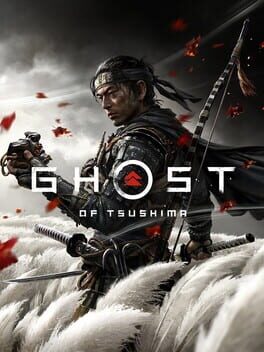
The roster for “Most Wanted” expands beyond the series’ established heroine Atsu to include allies Oyuki and Nagato, but the headline surprise is the inclusion of Jin Sakai, the stoic samurai from Ghost of Tsushima. Each character spawns with a distinct equipment set, and Jin’s loadout appears to blend his signature katana playstyle with the mode’s more arcade‑centric abilities, hinting at a fresh interpretation of his combat identity. While the crossover is explicitly non‑canonical—mirroring previous cross‑franchise DLCs—it serves as a tantalizing nod to fans, reinforcing Sony’s broader narrative of a shared cultural tapestry across its Japanese‑themed titles.
Analysis
From a market perspective, the integration of a marquee character like Jin Sakai into a roguelike DLC functions as a low‑cost brand amplifier. By borrowing an established IP, Sony can attract players who may have bypassed Ghost of Yōtei initially, converting them into potential long‑term customers for future releases. This cross‑pollination aligns with the console manufacturer’s strategy to keep its ecosystem sticky, especially as subscription services like PlayStation Plus grapple with churn. Moreover, the $14.99 price point for the Complete Edition—bundling both the story and roguelike expansions—offers a compelling value proposition that could boost late‑stage sales and improve the title’s overall revenue curve.
Technical execution, however, presents its own set of challenges. Implementing a procedurally generated wave system atop an engine originally designed for linear narrative missions requires careful balancing to avoid diluting the game’s core identity. Additionally, ensuring that Jin’s combat mechanics translate seamlessly into the new mode demands meticulous animation retargeting and hit‑box recalibration, lest the crossover feel superficial. Competitors such as Nintendo and Xbox have also begun experimenting with similar post‑launch content models, meaning Sony must deliver a polished experience to maintain its reputation for quality first‑party support.
XPLog Opinion
At XPLog we view the “Most Wanted” DLC as a savvy, if not entirely groundbreaking, move that underscores Sony’s evolving post‑launch playbook: leverage beloved IPs to inject fresh life into existing titles while sidestepping the massive development costs of full sequels. The decision to pair a culturally resonant hero like Jin Sakai with a high‑energy roguelike framework not only rewards loyal fans but also signals a willingness to experiment with genre hybridity—a trend that could redefine how narrative‑driven studios approach longevity in the next console cycle.
Final Thoughts
In sum, the October release of “Most Wanted” and its companion expansion positions Ghost of Yōtei as a case study in effective DLC strategy, blending brand cross‑overs, replayable design, and modest pricing to extend a game’s relevance well into the latter half of the generation. Players should keep an eye on community feedback post‑launch, as the mode’s balance and Jin’s integration will likely influence Sony’s roadmap for future cross‑title collaborations and the broader adoption of roguelike expansions across its portfolio.