.png)
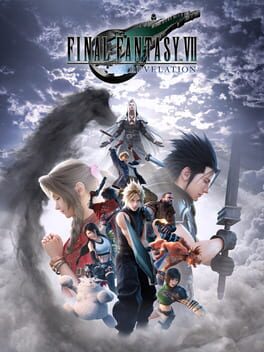
Overview
When Square Enix unveiled Final Fantasy VII Revelation as the latest re‑imagining of the 1997 classic, the announcement was met with a mixture of nostalgia‑driven excitement and cautious optimism. The original title not only defined the JRPG genre but also forged a cultural touchstone that has endured across three decades, spawning spin‑offs, movies, and a fervent fan community that continues to dissect every character arc and gameplay mechanic. In the current console generation, where live‑service models dominate and post‑launch content can dictate a game's longevity, Revelation arrives at a crossroads: it must honor the deep‑seated legacy of its predecessor while navigating the commercial realities of modern game publishing.
Industry analysts have observed that Square Enix’s recent portfolio—ranging from the mixed‑reception of the Final Fantasy XV live‑service experiment to the critical acclaim of the Kingdom Hearts remasters—has underscored the studio’s need for a reliable revenue stream that does not alienate its core audience. The decision to announce two substantial DLC packs for Revelation, focusing on the series’ most enigmatic antagonists, is therefore not merely a fan‑service gesture; it is a strategic maneuver aimed at re‑engaging lapsed players, extending the title’s sales curve, and reinforcing Square Enix’s position in a market increasingly crowded by episodic expansions and seasonal passes.
What Happened?
During a recent digital press briefing, Square Enix confirmed that Revelation will receive two major downloadable content expansions. The first, simply titled “Sephiroth,” promises to delve deeper into the iconic villain’s backstory, offering players a fresh narrative perspective, exclusive combat encounters, and a suite of legendary weapons that have long been the subject of community speculation. The second expansion, “Vincent & The Turks,” expands the focus to the enigmatic former SOLDIER turned anti‑hero and his shadowy corporate operatives, promising a blend of stealth‑oriented gameplay and expanded lore that could finally answer lingering questions about the enigmatic organization that has haunted fans since the original’s release.
While Square Enix has been tight‑lipped about pricing structures and exact release windows, the company emphasized that both DLCs will be “full‑scale experiences” rather than token add‑ons. Developer statements highlighted a commitment to new voice acting, high‑definition assets, and original musical scores that aim to integrate seamlessly with the base game’s aesthetic. This level of investment suggests a recognition that modern players expect post‑launch content to match—or at least approximate—the production values of the launch title, a trend that has become a benchmark for success in the era of games-as-a-service.
Analysis
The timing of these expansions is particularly noteworthy when viewed against the backdrop of Square Enix’s broader financial trajectory. After a series of under‑performing releases in the early 2020s, the studio has been pivoting toward franchise‑centric, high‑visibility projects that can generate sustained engagement. By leveraging the enduring popularity of Sephiroth and Vincent—characters that have consistently topped fan polls and merchandise sales—Square Enix is effectively betting on brand equity to drive DLC uptake. Moreover, the decision to split the content into two distinct narrative threads allows for staggered revenue spikes and keeps the community conversation active over an extended period, a tactic that mirrors successful strategies employed by competitors such as Blizzard and Ubisoft.
From a technical standpoint, the expansions also pose significant challenges. Revelation already pushes the limits of current‑gen hardware with its intricate lighting, high‑poly character models, and expansive open‑world design. Adding new, fully voiced story sequences and combat systems without sacrificing performance will require meticulous optimization, especially for the console variants that dominate the market. If Square Enix can deliver seamless integration, it will not only validate their engine pipeline but also set a new standard for how legacy IPs can be revitalized without compromising on modern expectations.
XPLog Opinion
At XPLog UK, we see these DLCs as a litmus test for Square Enix’s ability to reconcile reverence for its heritage with the ruthless economics of today’s gaming ecosystem; success will hinge on whether the expansions feel like genuine narrative extensions rather than cash‑grab add‑ons, and on the studio’s willingness to support the community with ongoing balance updates and quality‑of‑life improvements that respect the deep‑rooted fan investment in the FFVII mythos.
Final Thoughts
In sum, the announcement of Sephiroth and Vincent & The Turks DLCs signals Square Enix’s renewed focus on leveraging iconic characters to sustain post‑launch momentum, a strategy that could reshape how legacy titles are monetised in the next generation. Players should keep an eye on official channels for pricing details and a tentative Q4 2026 release window, as those dates will ultimately determine whether Revelation can evolve from a nostalgic remake into a long‑term franchise pillar.