.png)
Overview
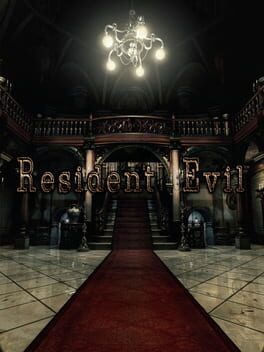
Since its inception in 2014, Sony’s State of Play has become the digital rallying point where the PlayStation ecosystem showcases its most anticipated software, hardware, and occasionally, surprise collaborations. Historically, the event has been dominated by game‑first reveals—new entries in long‑running series, indie showcases, and hardware upgrades—yet the 2024 edition broke that pattern by opening with a cinematic glimpse of Zach Cregger’s upcoming Resident Evil film. This choice is far from arbitrary; Resident Evil has been a cornerstone of PlayStation’s brand identity since the original 1996 launch, and its evolution from pixelated horror to blockbuster franchise mirrors Sony’s own journey from a console manufacturer to a multimedia powerhouse.
In the broader industry context, the decision to front‑load a movie trailer underscores a growing convergence between interactive entertainment and Hollywood‑style storytelling. As streaming platforms and game streaming services vie for consumer attention, publishers are increasingly leveraging recognizable IPs across multiple media to sustain relevance. Sony, which controls both a leading console platform and a robust film distribution arm through Sony Pictures, is uniquely positioned to orchestrate such cross‑promotional moments. The Resident Evil clip, therefore, is not merely a teaser for a film—it is a calculated signal that Sony intends to weave its flagship franchises into a seamless entertainment tapestry that can compete with the likes of Microsoft’s Xbox Game Pass ecosystem and Nintendo’s family‑centric branding.
What Happened?
The State of Play stream opened with a high‑octane excerpt from the forthcoming Resident Evil movie, starring Austin Abrams as the beleaguered protagonist Bryan. In the sequence, Abrams sprints down a desolate highway lined with abandoned cars, while grotesque, corpse‑laden debris cascades around him, evoking the frantic pace of classic survival‑horror gameplay. The visual fidelity of the clip—sharp, gritty lighting and a kinetic camera—mirrored the aesthetic sensibilities of the recent Resident Evil video game entries, suggesting a deliberate visual continuity designed to satisfy both gamers and cinephiles alike.
Following the film teaser, Sony shifted focus to its core gaming slate, unveiling new gameplay footage for a PlayStation Studios title slated for a 2025 release, confirming a delayed launch window for a highly anticipated sequel, and announcing a surprise partnership with a third‑party developer to bring a legacy franchise to PlayStation 5. While the latter announcements were more conventional, the initial cinematic hook set a tone that the entire broadcast would be framed as a celebration of transmedia storytelling, reinforcing Sony’s strategic intent to blur the lines between interactive and passive entertainment.
Analysis
From a market performance perspective, the Resident Evil trailer functions as a dual‑pronged asset: it drives early buzz for a high‑budget film while simultaneously re‑energizing the video‑game‑centric audience that still associates the brand with PlayStation. This cross‑pollination can translate into measurable lift in both box‑office projections and game sales, especially as ancillary merchandise, DLC, and in‑game events tied to the film’s narrative are likely to follow. Moreover, by leveraging an established IP, Sony sidesteps the risk inherent in launching entirely new intellectual properties in a crowded content landscape, instead banking on brand equity that has been cultivated over nearly three decades.
Competitor dynamics further illuminate the significance of this move. Microsoft’s recent acquisition of Activision Blizzard has emphasized a “games‑first” strategy, focusing on service models and platform‑agnostic experiences. Nintendo, meanwhile, continues to double‑down on family‑friendly exclusives. Sony’s choice to integrate a blockbuster film into its flagship showcase differentiates it by positioning PlayStation as a holistic entertainment hub rather than a pure‑gaming console. Technically, this also hints at deeper integration possibilities—shared assets, synchronized release windows, and perhaps even interactive film experiences that could leverage PlayStation’s hardware capabilities, such as haptic feedback and adaptive triggers, to augment cinematic moments.
XPLog Opinion
At XPLog UK we view Sony’s Resident Evil‑led State of Play as a bold, if risky, declaration that the future of console branding lies in narrative ecosystems rather than isolated game launches. By aligning a marquee film with its live‑streamed showcase, Sony is effectively turning a traditional product announcement into a cultural event, one that can capture headlines beyond the gaming press and draw in casual audiences who might otherwise overlook a standard hardware or software reveal. If executed with consistent follow‑through—meaning coordinated release dates, in‑game tie‑ins, and sustained marketing—this approach could redefine how publishers leverage their IP portfolios, forcing the rest of the industry to reconsider the siloed nature of game versus film promotion.
Final Thoughts
In sum, Sony’s decision to open its latest State of Play with a Resident Evil movie clip is more than a flash of spectacle; it is a strategic maneuver that seeks to cement PlayStation’s role as an integrated entertainment platform. As the film’s release date approaches and the announced game titles edge closer to launch, observers should monitor sales metrics, player engagement data, and subsequent cross‑media collaborations to gauge whether this experiment will herald a new era of synergistic content or remain a singular promotional stunt.