.png)
Overview
Capcom’s Onimusha franchise, once the flagship of early‑2000s action‑adventure gaming, has been dormant for over a decade, leaving a generation of players nostalgic for its samurai‑versus‑demon formula. The industry’s recent wave of reviving legacy IPs—whether through remasters, sequels, or reimaginings—has created a fertile environment for Capcom to test the waters once more, especially as competitors like Square Enix and Ubisoft pour resources into resurrecting classic universes. In this climate, the announcement of Onimusha: Way of the Sword arrives not merely as a nostalgic cash‑in, but as a litmus test for how far a beloved property can stretch into the open‑world, live‑service era without losing its core identity.
The introductory sequence of Way of the Sword immediately signals a tonal shift: a disheveled ronin stumbling out of a bridge, delivering a bewildered British exclamation, and then being chased by a chaotic swarm of martial‑arts apprentices. This absurdist opening is deliberately designed to differentiate the title from the dour, reverent treatment of its predecessors, aligning it with the modern trend of self‑aware, humor‑laden action games such as the newer Ghosts n Goblin titles. Yet the promise of that manic energy is tempered by the game’s sprawling open world, a design choice that has historically proven treacherous for series rooted in tightly scripted set‑pieces.
What Happened?
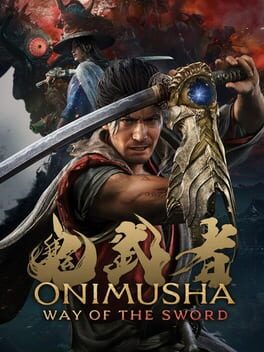
Capcom officially unveiled Onimusha: Way of the Sword at the recent GameCon showcase, confirming a multi‑platform launch for PlayStation 5, Xbox Series X|S, and PC slated for early 2027. The game promises a hybrid structure that blends the series’ signature sword‑and‑magic combat with a vast, semi‑open environment populated by side quests, resource‑gathering, and a dynamic weather system. Early gameplay footage shows Musashi, the titular ronin, navigating a mud‑slicked village while engaging in both scripted duels and emergent encounters that can pivot from comedic to brutal in an instant.
Developers from Capcom’s Osaka studio emphasized that the project is intended to be “a love letter to the original while daring to be loud and ridiculous.” They cited the opening scene as a microcosm of the design philosophy: a high‑octane, slapstick moment meant to hook players before the game settles into a more methodical rhythm of exploration and combat refinement. The studio also disclosed plans for post‑launch content, including additional story arcs that will further explore the absurdist tone, as well as cross‑play multiplayer modes that could extend the game’s lifespan beyond the traditional single‑player experience.
Analysis
From a market perspective, Way of the Sword occupies a precarious niche. On one hand, the Onimusha brand still commands strong residual goodwill, and the decision to inject humor mirrors successful reboots such as the recent Ratchet & Clank overhaul, which proved that legacy can thrive when paired with contemporary sensibilities. On the other hand, the open‑world ambition places the title in direct competition with heavyweight franchises that have refined the formula over multiple iterations—namely, The Witcher, Elden Ring, and Horizon. The technical overhead of rendering a living, breathing feudal Japan while preserving the series’ fast‑paced combat could strain Capcom’s development pipelines, especially given the studio’s simultaneous commitments to other major releases. Should the open world feel like filler rather than a meaningful extension of the narrative, the game risks alienating both purists craving the tight, cinematic beats of the original and newcomers expecting modern sandbox depth.
XPLog Opinion
At XPLog UK we view Way of the Sword as a bold, if uneven, experiment that could redefine how legacy Japanese action titles evolve in the current console generation. The decision to foreground a whimsical, almost self‑parodying opening is a savvy move to capture the attention of a streaming‑savvy audience hungry for shareable moments, yet the subsequent pacing must quickly re‑engage players with the series’ hallmark visceral combat. If Capcom can deliver a seamless blend of humor, robust open‑world design, and the precise swordplay that made the original a classic, the title could spearhead a new sub‑genre of “retro‑reinvented” action games. Failure to do so, however, would relegate it to the growing list of nostalgic misfires that squander brand equity for short‑term sales spikes.
Final Thoughts
Onimusha: Way of the Sword stands at a crossroads where reverence for the past meets the demands of modern game design. Its success will hinge on whether the initial burst of silliness can be sustained through a world that feels alive rather than a backdrop for filler content. Players and analysts alike should keep an eye on the upcoming beta sessions slated for Q2 2026, as they will likely reveal how Capcom balances comedic flair with the depth expected of today’s open‑world experiences. The next few months will determine if this resurrected ronin can carve a lasting place in the evolving landscape of action‑adventure gaming.