.png)
Overview
PlayStation’s State of Play has become an annual barometer for the company’s broader strategic direction, and the September 2026 edition was no exception. Coming at a time when Sony is navigating the tail‑end of the PS5 generation while teasing the next‑gen hardware roadmap, the broadcast served as both a showcase of headline‑grabbing IPs and a subtle signal of where the ecosystem is being nudged—toward tighter integration of cinematic storytelling, live‑service extensions, and cross‑medium merchandising. The event unfolded against a backdrop of fierce competition from Microsoft’s Xbox Series X|S ecosystem, which has been aggressively courting third‑party studios and expanding its Game Pass library, as well as the rising tide of cloud‑first experiences from Google and Amazon. In this climate, Sony’s decision to lean heavily on established franchises—Resident Evil, Marvel, Ghost of Tsushima, and Monster Hunter—underscores a defensive yet opportunistic posture: leverage brand equity to retain core gamers while courting newer audiences through diversified content formats.
Beyond the obvious headline announcements, the Show of Play revealed a nuanced shift in Sony’s content pipeline. The inclusion of a film clip from the upcoming Resident Evil adaptation signals a deepening synergy between PlayStation Studios and external media partners, echoing the success of earlier collaborations such as the Horizon Forbidden West tie‑in. Meanwhile, the introduction of single‑player survival modes, DLC expansions, and even a physical Lego PlayStation set reflects a broader trend of monetising legacy IP through ancillary products and post‑launch services. This multi‑pronged approach is designed to stretch the commercial lifespan of each title, a tactic that has become increasingly vital as development costs swell beyond $150 million for AAA projects.
What Happened?
The opening salvo came from Zach Cregger, director of the newly announced Resident Evil live‑action film, who dropped an exclusive clip that blended the franchise’s horror roots with PlayStation’s visual fidelity. Though the clip was brief, its cinematic quality hinted at a potential future where Sony could act as a distribution hub for franchise‑wide narratives, blurring the line between game and film. The momentum continued with a final trailer for Marvel’s Wolverine, slated for a September 15 launch. The montage not only highlighted new playable characters—Jean Grey, Sabertooth, and Lady Deathstrike—but also hinted at a deeper integration of narrative arcs that could dovetail with future Marvel gaming ventures, positioning Sony as a key player in the ever‑expanding Marvel gaming universe.
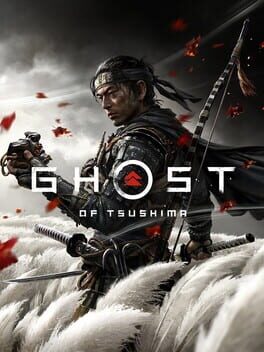
In the realm of existing franchises, Ghost of Yotei (the long‑awaited sequel to Ghost of Tsushima) received a surprise addition: a single‑player “Most Wanted” combat survival mode that pits players against wave‑based bounty hunts, featuring both new avatars and the return of Jin Sakai. A Complete Edition is scheduled for October 1, bundling this mode with the base game. Monster Hunter Wilds: Ascendance, the 2027 expansion, was unveiled with a full‑length trailer that showcased a narrative‑driven questline and a host of new monsters, reaffirming Capcom’s commitment to the live‑service model on PlayStation hardware. Metro 2039’s PS5 Pro trailer revealed a gritty apartment‑building shootout, confirming a February 4, 2027 release, while Maneater 2—a sequel to the cult shark‑RPG—promised a tongue‑in‑cheek escape from a luxury resort called Neptune’s Kingdom, also targeting 2027. Crimson Desert’s “Charting the Unknown” DLC, slated for October 15, added fresh story content to the ambitious open‑world title, and the whimsical Lego PlayStation set, priced at $179.99, turned the original console into a collector’s piece, reinforcing Sony’s push into lifestyle merchandise.
Analysis
The announcements collectively illustrate Sony’s dual‑track strategy: reinforce its flagship franchises while expanding the ancillary revenue ecosystem. By coupling new gameplay modes with complete editions and DLC, Sony is effectively extending the revenue curve of titles that have already recouped development costs, a practice that mirrors Microsoft’s Xbox Game Pass model but retains the traditional purchase‑first approach. The timing of the Ghost of Yotei “Most Wanted” mode is particularly astute, as it arrives just before the launch window for the next‑gen PlayStation 6 rumors, ensuring that the existing PS5 user base remains engaged and that the title can serve as a showcase for the upcoming PS5 Pro’s enhanced performance.
From a hardware perspective, the State of Play highlighted the PS5 Pro’s capabilities through Metro 2039’s high‑fidelity shootout, subtly reminding developers and consumers that the upgraded console can deliver next‑level visual fidelity without sacrificing the large install base of the original PS5. This is a crucial point in Sony’s roadmap, as the company seeks to avoid the fragmentation seen in the early days of the PlayStation 4, where a significant portion of the market lingered on the base model. Moreover, the inclusion of a high‑profile film clip and a Lego set signals a broader brand‑extension agenda, positioning PlayStation not just as a gaming platform but as a cultural icon capable of cross‑media storytelling and consumer product diversification.
XPLog Opinion
At XPLog UK, we view the September State of Play as a decisive moment where Sony is consciously stitching together a tapestry of content, hardware, and lifestyle that aims to future‑proof the PlayStation brand. While the reliance on legacy IP may appear safe, the strategic layering of new modes, DLC, and cross‑media tie‑ins suggests a sophisticated understanding of modern monetisation—one that balances fan service with sustainable cash flow. If Sony can maintain this rhythm of iterative content drops while delivering genuinely fresh experiences, it will not only safeguard its current market share but also set a benchmark for how console manufacturers can evolve beyond pure hardware sales.
Final Thoughts
In sum, the September 2026 State of Play painted a picture of a platform that is both looking back to its storied past and forward to a diversified future. With Resident Evil’s cinematic debut, Wolverine’s final pre‑launch push, expanded live‑service content for Monster Hunter and Crimson Desert, and even a nostalgic Lego set, Sony is weaving a multi‑layered ecosystem designed to keep players invested for years to come. The next milestones to watch are the Resident Evil film’s September 18 release, Wolverine’s September 15 launch, and the October 1 Complete Edition of Ghost of Yotei, each of which will serve as litmus tests for the effectiveness of Sony’s integrated strategy.