.png)
Overview
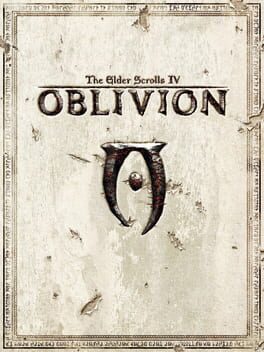
When Bethesda first released The Elder Scrolls IV: Oblivion in 2006, it set a benchmark for open‑world RPGs, but the game’s engine and graphics quickly fell behind the rapid visual arms race that defined the next decade. A decade later, the modding community birthed Skyblivion – an ambitious, fan‑driven effort to rebuild Oblivion on the Creation Engine that powers Skyrim, promising a visual overhaul, re‑engineered questlines, and a fidelity level that rivals contemporary triple‑A releases. The project’s origins trace back to a modest 2014 volunteer team, swelling over the years to a semi‑professional outfit of dozens of artists, scripters, and voice actors, all coordinated through Discord and public Trello boards, reflecting a broader trend where community‑led projects rival studio pipelines in scope and ambition.
In the current market, Bethesda’s own strategy of “shadow‑dropping” remastered classics – as seen with the surprise launch of Oblivion Remastered in 2022 – has reshaped consumer expectations, turning unannounced releases into viral events that dominate headlines and drive immediate sales spikes. This environment creates a paradox for large‑scale mods: the temptation to emulate a sudden drop for instant buzz versus the need for a polished, stable launch that respects the years of unpaid labor behind them. Skyblivion’s developers have publicly rejected the shadow‑drop model, opting instead for a measured reveal once they deem the build truly ready, a decision that underscores a growing maturity within the modding ecosystem and hints at shifting power dynamics between publishers and community creators.
What Happened?
During a livestream on the project’s official YouTube channel, lead coordinator James “Mack” McAllister confirmed that Skyblivion will not follow Bethesda’s recent surprise‑release playbook. Instead, the team plans to announce a concrete release window once the final QA pass is complete, pushing back the previously hinted “late‑last‑year” target that was repeatedly delayed by technical bottlenecks and scope creep. The announcement also clarified that the mod will launch as a full‑size, standalone package on Nexus Mods and the Steam Workshop, rather than a fragmented beta series, ensuring that players receive a cohesive experience without the patch‑after‑patch fatigue that has plagued other large‑scale fan projects.
McAllister cited two primary reasons for the shift: first, the need to align the mod’s launch with the upcoming release of Bethesda’s next‑generation engine update, which promises native support for ray‑traced lighting and DLSS‑compatible performance – features that Skyblivion’s art team has been painstakingly preparing. Second, the team wants to avoid the “shadow‑drop backlash” that has emerged among veteran modders who feel that surprise releases undermine the transparent development cycles that foster community trust. By committing to a public roadmap and a definitive release date, Skyblivion aims to set a new standard for how massive fan‑driven projects communicate with their audiences.
Analysis
The decision to forego a shadow drop carries significant market implications. Bethesda’s surprise releases have historically generated massive first‑day sales, but they also create a volatile hype curve that can crash once the novelty fades. Skyblivion, by contrast, is positioned to capitalize on sustained, organic interest generated through years of community engagement, tutorial streams, and incremental content teasers. This approach mitigates the risk of a post‑launch “drop‑off” and aligns with the broader industry shift toward long‑tail content strategies, where ongoing updates and community‑driven DLC keep a title relevant for years. Moreover, by timing the launch to coincide with the next‑gen engine enhancements, Skyblivion can leverage hardware acceleration features that were unavailable during Oblivion’s original era, potentially attracting a new cohort of players who prioritize visual fidelity over nostalgia alone.
From a competitive standpoint, Skyblivion’s measured rollout challenges the notion that only publishers can dictate release cadence. As modders increasingly adopt professional development tools – such as version‑controlled repositories, automated build pipelines, and even outsourced QA testing – the line between hobbyist and studio blurs. This could inspire other long‑standing mod projects, like the iconic Enderal or the upcoming Gothic Remake, to adopt similar transparent launch strategies, thereby raising the overall quality bar across the PC modding ecosystem. The ripple effect may also force traditional publishers to reconsider surprise launches as a primary marketing lever, especially if community‑driven titles begin to dominate discourse on platforms like Reddit, Discord, and Twitch.
XPLog Opinion
At XPLog UK we view Skyblivion’s stance as a watershed moment for the modding community: it signals that fan‑crafted experiences can command the same strategic planning and market awareness as commercial releases. By rejecting the shadow‑drop model, the team not only safeguards its reputation but also educates the wider industry that transparency and quality assurance are non‑negotiable, even for unpaid developers. This is a bold affirmation that player trust, cultivated over a decade of incremental updates, outweighs the fleeting buzz of a surprise launch – a lesson that should reverberate through Bethesda’s own release playbook.
Final Thoughts
Skyblivion’s upcoming announcement date, tentatively slated for early Q1 2027, will serve as a litmus test for how far community‑driven projects can push the boundaries of mainstream expectations. If the mod delivers on its promise of a next‑gen visual overhaul while maintaining the depth of Oblivion’s original design, it could redefine the commercial viability of large‑scale fan remakes and cement a new paradigm where modders are seen as legitimate co‑creators rather than peripheral hobbyists. Keep an eye on the official Discord for the exact reveal window – the industry will be watching, and the outcome may well shape the future relationship between publishers, platforms, and the passionate gamers who power them.