.png)
Overview
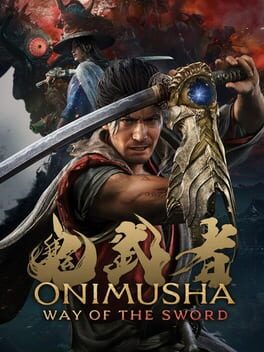
When Capcom announced the arrival of Onimusha: Way of the Sword for the upcoming Switch 2, the gaming press and veteran fans alike sensed a convergence of nostalgia and forward‑looking ambition. The Onimusha franchise, which first burst onto the scene in 2001 with its cinematic blend of feudal Japan and gothic horror, has long been a barometer for Capcom’s ability to marry narrative gravitas with tight, action‑oriented gameplay. After a decade‑long hiatus, the series’ resurrection arrives at a moment when the industry is grappling with the dual pressures of delivering fresh IPs and revitalising legacy titles to satisfy a maturing core audience that craves both heritage and innovation.
2026 has already proven to be a prolific year for Capcom, marked by the successful launch of a new Resident Evil entry, a refreshed Monster Hunter title, and an ambitious foray into live‑service multiplayer with a sequel to Devil May Cry. Within this crowded slate, Onimusha: Way of the Sword distinguishes itself not merely as a nostalgic cash‑in but as a strategic pillar that reinforces Capcom’s multi‑platform strategy, especially as Nintendo prepares the Switch 2 to compete directly with the PlayStation 6 and Xbox Series X2 ecosystems. The decision to ship a high‑fidelity, samurai‑centric action‑adventure on a hybrid console underscores a broader trend: legacy franchises are being re‑engineered to exploit the portability and broad install base of next‑gen handhelds, thereby extending revenue streams beyond traditional console‑only releases.
What Happened?
The critical reception for Onimusha: Way of the Sword has been overwhelmingly positive, with Nintendo Life awarding a nine‑out‑of‑ten rating and lauding the title as a "superb samurai survival" experience. Reviewers have highlighted the game's meticulous recreation of feudal Japanese environments, a refined combat system that rewards precise timing over button‑mashing, and an upgraded narrative that weaves historical lore with supernatural intrigue. The Switch 2 version, in particular, leverages the console’s enhanced GPU and higher refresh rates to deliver fluid frame‑rates that rival current ninth‑generation home consoles, a technical feat that many analysts had previously deemed unlikely for a handheld platform.
Capcom’s official statement emphasized the title’s dual‑mode design, allowing players to seamlessly transition between docked and handheld play without compromising visual fidelity or load‑times. The developers also disclosed that the game will receive post‑launch support in the form of DLC expansions that explore alternate story arcs and introduce new weapon archetypes, a move that aligns with the industry’s shift toward extending a game’s lifecycle through episodic content. Moreover, the announcement included plans for cross‑save functionality across the Switch 2 and PC, hinting at a broader ecosystem integration strategy that could see Capcom’s IPs become more fluidly accessible across hardware boundaries.
Analysis
From a market perspective, the success of Onimusha: Way of the Sword on the Switch 2 signals a pivotal moment for legacy franchises attempting to capture both nostalgic veterans and a new generation of handheld‑first gamers. The title’s strong review scores are likely to translate into robust launch‑week sales, which, when combined with Capcom’s historically high attach rates for DLC, could position the game as a multi‑million‑unit revenue generator. This performance also serves as a litmus test for Nintendo’s upcoming hardware, demonstrating that the platform can host graphically demanding, story‑driven experiences without sacrificing the portability that defines its brand identity.
Competitively, the release places pressure on Sony and Microsoft to deepen their own heritage portfolios, particularly as they navigate the post‑pandemic shift toward subscription services like PlayStation Plus and Xbox Game Pass. If Capcom can sustain the momentum with regular content updates, it may compel rival publishers to revisit dormant IPs and re‑engineer them for hybrid consoles, potentially igniting a wave of cross‑generational revivals. Technically, the game’s engine optimisations for the Switch 2 could set a new benchmark for developers seeking to maximise performance on low‑power hardware, prompting middleware providers to adapt their toolchains accordingly.
XPLog Opinion
At XPLog UK, we view Onimusha: Way of the Sword as a masterclass in how to resurrect a classic franchise without diluting its core identity; Capcom has managed to honour the series’ roots while delivering a modern, technically impressive experience that feels native to the Switch 2’s hybrid nature—a feat that many studios struggle to achieve when porting legacy titles to new hardware.
Final Thoughts
In sum, the critical acclaim and strategic positioning of Onimusha: Way of the Sword reinforce Capcom’s reputation as a studio that can deftly balance reverence for its past with the demands of a rapidly evolving market, while also validating the Switch 2 as a viable platform for premium, narrative‑driven action games; keep an eye on the upcoming DLC roadmap slated for early 2027 and the potential cross‑platform tie‑ins that could further blur the lines between console and handheld ecosystems.