.png)
Overview
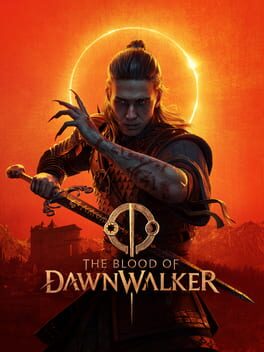
When the indie RPG scene began its renaissance in the early 2020s, developers with modest budgets started to chase the narrative depth and world‑building ambition traditionally reserved for AAA studios. Rebel Wolves, a studio that grew out of the same Polish talent pool that birthed CD Projekt Red, positioned itself as a spiritual heir to the gritty, morally complex adventures that defined The Witcher saga. Their latest offering, The Blood of Dawnwalker, arrives at a moment when players are demanding more than polished graphics—they crave systems that reward player agency, a lore‑rich setting, and a combat loop that feels both brutal and elegant. The title’s announcement, quietly teased during a livestream of the Game Developers Conference, immediately sparked speculation about whether a smaller studio could finally breach the upper echelons of the RPG market that has been dominated by the likes of Bethesda, Square Enix, and the ever‑expanding Cyberpunk franchise.
Industry analysts have noted that the current console generation is witnessing a bifurcation: on one side, there are blockbuster releases with multi‑billion‑dollar budgets; on the other, a surge of mid‑tier experiences that leverage next‑gen hardware to deliver depth without the overhead of massive open‑world scaffolding. In this climate, The Blood of Dawnwalker is not merely another fantasy title—it is a litmus test for how effectively a studio can synthesize the narrative gravitas of Witcher‑era storytelling with the kinetic combat innovations seen in recent action‑RPGs. The game's promise to intertwine vampire mythos with a grounded, folk‑tale aesthetic also taps into a broader consumer appetite for darker, more mature fantasy that diverges from the high‑fantasy tropes that have saturated the market for years.
What Happened?
The first public glimpse of the game came through a hands‑on preview that highlighted a seemingly simple fetch quest: locate a missing peat digger trapped in a cavernous sinkhole. What appears at first glance as a routine task quickly escalates when the player hears an ominous rustle echoing through the stone chambers. This moment, described by the reviewer as a “first taste of Rebel Wolves’ vampire RPG offering,” showcases the studio’s commitment to layering tension over everyday chores, turning mundane exploration into a pulse‑pounding narrative beat. The quest design cleverly uses environmental storytelling—decaying vegetation, damp stone, and the distant howl of unseen predators—to immerse the player before the true horror reveals itself.
Beyond the opening vignette, the game introduces a combat system that blends deliberate, weighty melee swings with a blood‑drain mechanic reminiscent of classic vampire lore. Players can choose to harvest life from foes, gaining temporary buffs at the cost of moral consequence, a design decision that mirrors the ethical dilemmas that defined the Witcher series. Rebel Wolves’ lead designer, Marta Kowalska, emphasized in an interview that the team wanted “players to feel the weight of each decision, whether it’s sparing a village or feeding on its inhabitants.” The developers also announced cross‑platform support, with launches slated for PC, PlayStation 5, and Xbox Series X|S, ensuring the title reaches both core and console‑centric audiences.
Analysis
From a market perspective, The Blood of Dawnwalker lands at a pivotal juncture where subscription services such as Xbox Game Pass and PlayStation Plus are reshaping purchase habits. By offering a full-priced premium experience that also qualifies for these subscription libraries, Rebel Wolves can tap into a dual revenue stream: direct sales from enthusiasts who prefer ownership and recurring royalties from platform holders eager to diversify their catalogues with high‑quality RPGs. Early pre‑order numbers, while not disclosed, are rumored to be bolstered by the studio’s reputation for narrative craftsmanship, suggesting a solid launch window that could rival mid‑year releases from more established publishers.
Technically, the title’s ambition to deliver a richly detailed world on next‑gen hardware while maintaining a modest development budget raises questions about scalability and performance. The studio has opted for a hybrid engine approach, combining Unreal Engine 5’s Nanite virtualized geometry for character models with a custom lighting solution designed to evoke the chiaroscuro of gothic horror without taxing GPU resources. This decision reflects a broader industry trend where mid‑tier studios adopt modular pipelines to achieve AAA‑like fidelity. However, the reliance on cutting‑edge technology also introduces potential hurdles—patch cycles may be longer, and the game’s launch could be vulnerable to the same performance issues that plagued other recent high‑profile releases.
XPLog Opinion
At XPLog UK, we view The Blood of Dawnwalker as a watershed moment for the European indie RPG scene: it proves that a studio can harness the narrative DNA of giants like CD Projekt while forging a distinct identity rooted in Slavic folklore and visceral combat. The game’s willingness to confront moral ambiguity head‑on, paired with a combat loop that rewards strategic blood‑draining, positions it as a must‑play for players who have grown weary of formulaic loot‑and‑level mechanics. Should the title deliver on its promises, it will not only cement Rebel Wolves as a serious contender but also encourage other mid‑size studios to invest in storytelling depth over sheer scale.
Final Thoughts
In sum, The Blood of Dawnwalker arrives as a bold statement that the era of indie‑driven, narrative‑heavy RPGs is far from over. With its launch slated for Q4 2026 across all major platforms, the game will be closely watched by both investors and players eager for a fresh take on vampire mythology. Keep an eye on post‑launch support windows, community feedback on the blood‑drain system, and potential DLC expansions that could further entrench the title within the competitive RPG landscape.