Overview
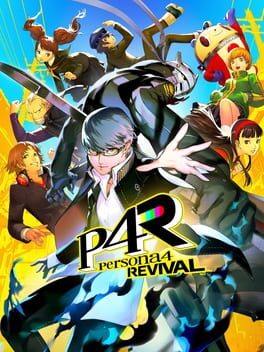
The upcoming Persona 4 Revival has ignited a fresh wave of discussion across the JRPG community, not merely because it promises a graphical overhaul of one of Atlus' most beloved titles, but because it also surfaces lingering questions about narrative fidelity and player agency. Since the original 2008 release, fans have mined the game's script for hidden cues—most notably a handful of cut voice lines that hinted at a possible romance route with Yosuke Hanamura, the protagonist's boisterous best friend. While those fragments never materialised in the final product, they have become a touchstone for broader debates about representation, queer subtext, and the evolving expectations of a maturing player base.
At the same time, the modern gaming market is witnessing a resurgence of classic revivals, from Capcom's Resident Evil remakes to Square Enix's reimagined Final Fantasy VII. These projects are not simply nostalgic cash‑cows; they serve as strategic touchpoints for publishers to re‑engage lapsed fans, test new monetisation models, and showcase next‑gen technical prowess. Within this competitive revival arena, Atlus faces the delicate task of honoring the original's spirit while navigating contemporary sensibilities—a balancing act that becomes especially fraught when it touches on character relationships that were, at best, left ambiguous in the source material.
.png)
 XPLog
29 Aug 2026
1 min read
XPLog
29 Aug 2026
1 min read