.png)
Overview
For more than four decades, the Star Wars franchise has oscillated between reverent cinematic storytelling and the more whimsical, toy‑driven experiences that first sparked its cultural explosion. From the groundbreaking RPGs of the early 2000s—most notably the critically acclaimed Knights of the Old Republic—to the blockbuster first‑person shooters that capitalised on the franchise’s visual spectacle, each era has reflected the prevailing market appetite. Yet the current climate, shaped by Disney’s aggressive consolidation of Lucasfilm IP and the rise of live‑service ecosystems, has left a palpable void for games that embrace the franchise’s playful origins without drowning in filmic fidelity.
Enter a market hungry for tactical depth and nostalgic charm: the resurgence of turn‑based strategy titles such as XCOM, Gears Tactics, and Phoenix Point has proven that gamers crave cerebral, high‑stakes decision‑making wrapped in familiar universes. Simultaneously, the indie‑to‑AAA hybrid model—where studios leverage beloved IPs while maintaining creative autonomy—has become a viable pathway for delivering niche experiences at scale. Within this context, Star Wars Zero Company positions itself as a bold experiment, promising to strip away the cinematic sheen and re‑engage players with the tactile joy of moving miniature figures across a battlefield, a design ethos that resonates deeply with both tabletop veterans and modern console strategists.
What Happened?
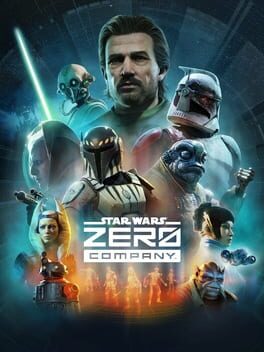
During a low‑key digital showcase last week, the developers behind the upcoming title announced Star Wars Zero Company, a turn‑based tactical game that explicitly rejects the notion that Star Wars games must mimic the visual language of the films. Citing the franchise’s roots in action figures and model kits, the studio revealed that every unit—from stormtroopers to AT‑AT walkers—will be rendered in a stylised, toy‑like aesthetic, complete with exaggerated proportions and a subtle “plastic sheen.” The core gameplay mirrors classic XCOM mechanics: players command a squad, manage resources, and make high‑risk tactical choices, but with a distinct Star Wars flair, such as Force‑augmented abilities that feel less like mystical powers and more like whimsical gizmos.
The announcement also outlined concrete development milestones: an early‑access launch slated for Q2 2027 on PC, PlayStation 5, Xbox Series X|S, and the Nintendo Switch, followed by a full release in early 2028. The studio emphasized a modular design philosophy, promising post‑launch content that expands the roster with iconic characters and vehicles, while maintaining the “toy‑box” visual consistency. Statements from the lead designer highlighted a commitment to iterative balance, referencing the lessons learned from the XCOM series’ notoriously steep learning curve and the importance of fostering a community that can both strategise and celebrate the franchise’s inherent silliness.
Analysis
From a market perspective, Star Wars Zero Company arrives at a confluence of two lucrative trends: the sustained popularity of tactical turn‑based games and the evergreen demand for Star Wars content across all demographics. Competitors such as Firaxis’ XCOM 2 and Creative Assembly’s Total War: Warhammer have demonstrated that deep strategic systems can thrive when paired with strong brand identities. By marrying the strategic depth of XCOM with the universally recognisable Star Wars lexicon, the title is poised to capture not only the franchise’s core fanbase but also the broader strategy‑gaming community that has long felt underserved by the franchise’s recent blockbuster‑first‑person shooter focus.
However, the venture is not without significant hurdles. Disney’s stringent brand guardianship means that every visual iteration must pass rigorous approvals, potentially slowing iteration cycles that are vital for balancing a complex tactical game. Moreover, the decision to adopt a toy‑like aesthetic may polarise purists who expect cinematic realism, risking a split in the audience. Yet this risk is mitigated by the growing acceptance of stylised art directions in high‑budget titles—evident in games like Horizon Forbidden West’s cel‑shaded DLC and the success of the stylised yet gritty Ghost Recon Breakpoint—suggesting that players are increasingly open to visual experimentation when gameplay depth is assured.
XPLog Opinion
At XPLog UK, we view Star Wars Zero Company as a necessary corrective to the franchise’s recent cinematic over‑indulgence; it re‑centres the experience on player agency and the tactile joy that first made the galaxy feel personal. By embracing a toy‑box aesthetic, the developers are not merely being cute—they are tapping into a deep‑seated nostalgia that aligns with the resurgence of tabletop gaming and the desire for games that reward thoughtful planning over reflexive shooting. If executed with the polish expected of a Disney‑backed IP, this title could redefine how legacy franchises approach adaptation, proving that strategic depth and whimsical presentation are not mutually exclusive.
Final Thoughts
Star Wars Zero Company signals a daring pivot for the franchise, one that could reshape player expectations and set a precedent for future IP‑driven strategy titles. As the early‑access window approaches, the community will be watching closely for how the developers balance brand fidelity with innovative gameplay. Keep an eye on the Q2 2027 demo releases, the subsequent balance patches, and the post‑launch roadmap that promises to expand the toy‑box with ever‑more iconic Star Wars denizens—these milestones will be the true barometers of the game’s lasting impact on both the Star Wars canon and the broader tactical genre.