.png)
Overview
Gamescom has long been the bellwether for the global console market, and the 2026 edition arrived with a palpable sense of transition. After a tumultuous decade defined by the rise of subscription services, cloud gaming, and a renewed emphasis on cross‑platform ecosystems, Microsoft’s Xbox division entered the expo with a clear mandate: prove that its hybrid hardware‑software model can not only survive but dominate the next generation of interactive entertainment. The stage was set against a backdrop of fierce competition from Sony’s PlayStation 5 Pro rollout, Nintendo’s surprise handheld‑console hybrid, and an increasingly aggressive roster of cloud‑first publishers clamoring for a slice of the lucrative AAA pie.
Within this high‑stakes environment, Xbox opted for a two‑day livestream strategy, mirroring the split‑screen approach it employed at previous showcases but amplifying the stakes with deeper looks at marquee titles. The decision to allocate an entire day to a second, more content‑rich broadcast signals a confidence in its pipeline and an acknowledgment that the modern gamer demands both spectacle and substance. By anchoring the day around flagship franchises such as Call of Duty and a newly announced IP, Stranger Than Heaven, Microsoft is attempting to weave together legacy strength with fresh narrative ambition, a blend that could reshape player expectations for the Xbox ecosystem moving forward.
What Happened?
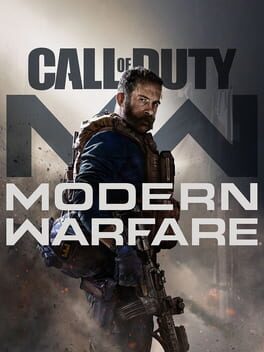
The second day of Xbox’s Gamescom livestream opened with a cinematic teaser for Call of Duty: Modern Warfare 4, immediately confirming the franchise’s continuation under the newly re‑unified Activision‑Xbox publishing agreement. The reveal went beyond mere footage; senior Creative Director Maya Patel highlighted a shift toward “persistent, world‑scale warfare” that leverages Xbox’s integrated cloud infrastructure to deliver seamless cross‑save and dynamic event systems. Early technical demos demonstrated a blend of next‑gen ray‑traced visuals and a novel AI‑driven squad system that promises to keep the battlefield feeling fresh across dozens of multiplayer seasons, a clear response to community fatigue with static seasonal content.
Following the COD showcase, Xbox turned its spotlight to Stranger Than Heaven, an original narrative‑driven shooter that marries high‑octane combat with a branching, morality‑based storyline. Developed by indie veteran studio NovaForge, the title will launch as a Day‑One addition to Xbox Game Pass, underscoring Microsoft’s commitment to using the subscription model as a launchpad for new IPs. Executives also hinted at deep integration with Xbox’s cloud‑based AI tools, allowing players to generate personalized side quests and adaptive difficulty settings on the fly. The livestream sprinkled in several “surprise” moments—a retro revival of an original Xbox title and a preview of a next‑gen Xbox Series X S upgrade—reinforcing the notion that Xbox is betting on a mix of nostalgia and forward‑looking technology to retain its core audience.
Analysis
The announcement of Modern Warfare 4 under the Xbox‑Activision umbrella marks a pivotal moment for the publisher’s revenue architecture. By embedding the title within Xbox Game Pass from day one, Microsoft is effectively shifting the franchise’s monetisation from a traditional purchase model to a subscription‑driven, recurring‑revenue engine. This strategy could mitigate the volatility of launch‑week sales while providing a steady stream of engagement metrics that feed into Microsoft’s data‑centric development loop. Moreover, the emphasis on persistent, cloud‑enabled warfare aligns with broader industry trends toward live‑service ecosystems, positioning Xbox to compete directly with Sony’s PlayStation Plus Extra tier, which has been aggressively expanding its own live‑service portfolio.
From a competitive standpoint, the dual‑focus on a proven blockbuster and a fresh, Pass‑first IP illustrates Xbox’s nuanced response to the “big‑title‑or‑new‑IP” dilemma that has haunted console manufacturers for decades. While Sony continues to double‑down on exclusive narrative experiences, Microsoft’s gamble is to cultivate a diversified library that can appeal to both hardcore shooters and narrative‑driven gamers. The integration of AI‑generated content in Stranger Than Heaven also hints at a future where developers can iterate content at a pace previously reserved for mobile live‑ops, potentially compressing development cycles and reducing time‑to‑market—a competitive edge that could reshape the AAA development paradigm.
XPLog Opinion
In XPLog’s view, Xbox’s Gamescom day two is less about individual announcements and more about signalling a strategic pivot: the convergence of subscription economics, cloud‑first technology, and a balanced portfolio of legacy and new IPs. This trifecta, if executed with the promised fidelity, could finally translate Microsoft’s hardware‑agnostic vision into tangible market share gains, especially in regions where console adoption has plateaued. However, the real test will be whether the promised AI‑driven dynamism and cross‑save continuity can be delivered without the latency and stability issues that have plagued earlier cloud experiments. Success will cement Xbox’s reputation as the platform that marries scale with personalization; failure could reinforce the perception that Microsoft is overextending its ambitions beyond what the current infrastructure can reliably support.
Final Thoughts
Xbox’s second Gamescom livestream has set a high bar for the remainder of the expo season, delivering a potent mix of franchise reassurance and bold experimentation. As the industry watches the rollout of Modern Warfare 4 and the debut of Stranger Than Heaven, the coming months will reveal whether Microsoft’s hybrid strategy can sustain player enthusiasm and translate into measurable growth for the Xbox ecosystem. Keep an eye on the official release windows slated for early 2027 and the subsequent quarterly earnings reports, which will provide the clearest indication of whether this Gamescom gamble pays off in the long run.