.png)
Overview
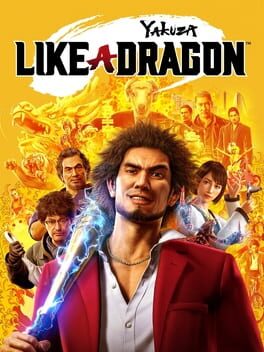
When NetEase unveiled the latest trailer for Ananta during Gamescom’s Opening Night Live, the buzz was palpable not merely because a new urban sandbox was on the horizon, but because the title represents a convergence of two decades of industry evolution: the rise of open‑world crime dramas and the meteoric ascent of influencer culture as a gameplay mechanic. The Chinese publisher, long‑known for its mastery of mobile live‑service titles, is now stepping onto the console stage with a product that feels like a direct answer to the cultural fascination with games that blend narrative grit with the hyper‑stylised aesthetic of anime, a niche that has been nurtured by titles such as *Sleeping Dogs* and *Yakuza: Like a Dragon* while simultaneously echoing the social‑media‑obsessed world of *Watch Dogs: Legion*.
Beyond the surface glamour, Ananta arrives at a moment when western studios are wrestling with the fatigue of endless DLC cycles, while Asian developers are leveraging their deep experience in player‑retention loops to craft experiences that reward both story progression and digital notoriety. The announcement of a 2027 launch places the game squarely in the next generation of console hardware, promising that NetEase intends to harness the raw horsepower of the PlayStation 5 and Xbox Series X|S to deliver a living, breathing metropolis that can compete with the technical fidelity of *Grand Theft Auto VI*—a benchmark that, despite its own delays, continues to dominate the conversation around open‑world ambition.
What Happened?
The Gamescom showcase delivered a two‑minute cinematic that married high‑octane chase sequences with quiet, selfie‑taking moments in bustling city streets, cementing Ananta’s core promise: “Go Viral. Save the world.” Players assume the role of Captain, a lone operative of the crumbling Agency for City Defense (ACD), whose mission is as much about rebuilding a faltering peacekeeping force as it is about locating a missing father. The trailer makes clear that fame is not a side‑quest but the central currency; every mission, bounty, or spontaneous interaction with NPCs translates into followers, likes, and an ever‑expanding influencer toolkit that unlocks new gear, story branches, and even strategic advantages in combat.
Geographically, the game expands its sandbox beyond the initially revealed Nova City, introducing Chongxiao—a sprawling, neon‑drenched metropolis inspired by Shanghai, Hangzhou, and Tokyo. The cityscape is packed with over 100 distinct NPCs, each with personal story arcs that can be pursued through side quests, recruitment drives, or simple goodwill gestures like taking selfies at a cat café. Transportation options are deliberately eclectic: players can roar through traffic in sports cars, zip across waterways in speedboats, glide overhead in helicopters, or even hop into futuristic flying cars that echo the aesthetic of early‑2000s cyber‑punk anime. This breadth of traversal, coupled with minigames ranging from mahjong tables to carnival shooters, signals NetEase’s intent to create a sandbox that feels both expansive and intimately lived‑in.
Analysis
From a market perspective, Ananta’s positioning as an “anime Grand Theft Auto” is a calculated gamble that taps into a proven appetite for stylised, story‑driven open worlds while sidestepping the saturation of western crime dramas that have dominated the genre for years. By embedding influencer mechanics at the heart of progression, NetEase is effectively marrying the monetisation strategies of its mobile empire—where player engagement is measured in daily active users and micro‑transactions—with the depth expected of a AAA console title. If executed well, the game could open a lucrative hybrid revenue stream: a base premium price complemented by optional cosmetic packs and seasonal events that reward players with limited‑edition follower boosts or exclusive virtual locations.
Technically, the ambition to render two fully explorable megacities, each populated by a hundred+ NPCs with dynamic quest lines, will test the limits of current engine optimisation on current‑gen hardware. NetEase’s prior experience with large‑scale live‑service environments suggests they will lean on procedural content generation for background crowds, but the promise of “individual stories” implies a level of handcrafted narrative that could strain development pipelines. Moreover, integrating a real‑time social‑media simulation—complete with algorithmic fame metrics—requires sophisticated AI that can adapt to player actions without breaking immersion, a challenge that has tripped up even seasoned studios attempting similar systems in titles like *Watch Dogs: Legion*.
XPLog Opinion
At XPLog we view Ananta as a litmus test for how far Chinese developers can push the envelope of console‑first design while retaining the razor‑sharp retention loops that made them giants on mobile. The decision to set a 2027 release date indicates a willingness to wait for the technology to catch up, rather than rush an under‑cooked experience to market—a maturity that should earn the respect of western audiences that have been skeptical of “cash‑grab” titles from the region. Should NetEase deliver on the promise of a vibrant, influencer‑centric sandbox, the ripple effect could reshape how future open‑world games incorporate social‑media mechanics, forcing competitors to rethink the balance between narrative gravitas and the ever‑present lure of digital fame.
Final Thoughts
In sum, Ananta arrives as a bold statement of intent from NetEase, blending the cultural zeitgeist of influencer culture with the tried‑and‑tested formula of urban open‑world action. With a 2027 launch window, the industry now has a clear horizon to watch for further gameplay demos, developer diaries, and perhaps an early access window that could reveal how the fame system truly functions. Gamers and investors alike should keep an eye on NetEase’s quarterly reports and the upcoming Tokyo Game Show, where deeper technical showcases are likely to confirm whether Ananta will become the next landmark title that bridges East‑West design philosophies, or another ambitious project that falls short of its lofty aspirations.