.png)
Overview
When the lights dimmed on Gamescom’s sprawling exhibition floor, a kaleidoscopic burst of neon‑lit combatants erupted onto the main stage, announcing the arrival of Tides of Annihilation. The title, presented by a mid‑size studio with a pedigree in narrative‑driven action, immediately signalled a bold design ambition: to fuse the reflex‑driven precision of classic “Simon Says” pattern games with the visceral, combo‑centric choreography of modern hack‑and‑slash epics. In an industry still wrestling with the aftershocks of the pandemic‑induced indie boom, such a hybrid promises to capture both the kinetic cravings of core gamers and the accessibility that casual audiences have come to expect from rhythm‑based experiences.
Beyond its surface flash, the game draws upon a sprawling tapestry of mythological motifs—Greek deities clash with Norse frost giants, while cyber‑punk aesthetics pepper the battlefield with holographic runes. This eclectic mash‑up is not merely aesthetic window‑dressing; it reflects a broader market trend where developers leverage familiar mythic archetypes to lower entry barriers and foster instant emotional resonance. Titles like God of War and Hades proved that myth can be a lucrative narrative scaffolding, and Tides of Annihilation appears intent on extending that formula into the realm of high‑octane, pattern‑based combat, positioning itself at the intersection of nostalgia and innovation.
What Happened?
The Gamescom demo revealed a core loop that demands players to memorize and execute rapidly escalating sequences of attacks, blocks, and evasive maneuvers, each signalled by visual cues that pulse in time with an electronic‑orchestral soundtrack. Successful execution rewards the player with “combo multipliers” that unlock spectacular finishing moves, effectively turning each encounter into a living, breathing choreography. Developers emphasized that the system was built from the ground up in Unreal Engine 5, leveraging its temporal super‑resolution capabilities to ensure that every particle burst and motion blur remains crisp even as the on‑screen action reaches dizzying speeds.
Accompanying the live demonstration, studio lead designer Maya Kline outlined a roadmap that targets a simultaneous multi‑platform launch on PlayStation 5, Xbox Series X|S, and PC, with a potential cloud‑gaming partnership on the horizon. While a concrete release window was withheld, the team hinted at a Q4 2025 “early access” window, positioning the title as a live‑service experience that will evolve through community‑driven content drops and seasonal narrative arcs. The publisher—an emerging label known for nurturing experimental IPs—has pledged a robust post‑launch support plan, signalling confidence in the game’s capacity to sustain player engagement beyond the initial hype cycle.
Analysis
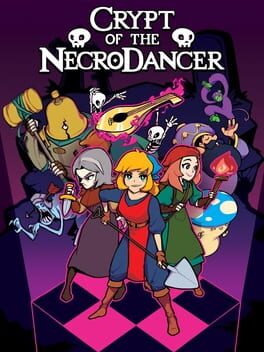
From a market perspective, Tides of Annihilation occupies a niche that has historically been under‑served: the convergence of rhythm‑based input with deep, combo‑oriented combat. While titles such as Crypt of the NecroDancer and Beat Saber have demonstrated the commercial viability of music‑driven mechanics, they have largely remained confined to either indie‑scale experiences or VR‑exclusive ecosystems. By marrying these mechanics with a full‑fledged action‑RPG framework, the game could capture a slice of the $45 billion global video‑game market that is currently dominated by traditional shooters and open‑world adventures, potentially unlocking a new revenue stream for publishers willing to gamble on hybrid designs.
Technical execution will be the decisive factor. The reliance on precise timing cues demands low latency across all platforms, a challenge that may expose disparities between console hardware and high‑end PCs. Moreover, the decision to employ Unreal Engine 5’s Nanite and Lumen technologies, while visually impressive, could inflate development costs and complicate optimization for older hardware. Should the studio succeed in delivering a smooth experience across the board, it will set a new benchmark for hybrid game design; failure, however, could relegate the title to the “ambitious but flawed” category that has plagued many experimental releases in recent years.
XPLog Opinion
At XPLog UK we view Tides of Annihilation as a daring litmus test for the next wave of genre‑blending titles; its success could validate a business case for midsize studios to invest in high‑production‑value hybrids rather than chasing the safety of sequels. The UK gaming community, with its appetite for both narrative depth and mechanical mastery, is poised to rally behind a game that respects the skill ceiling of titles like Devil May Cry while offering the instant gratification of rhythm games. Our verdict is cautiously optimistic: if the developers can deliver on their technical promises and nurture a vibrant post‑launch ecosystem, Tides of Annihilation may well become a cornerstone of the 2025‑2026 release calendar.
Final Thoughts
In sum, Tides of Annihilation stands at a crossroads where stylistic bravado meets mechanical rigor, and its trajectory will be closely watched by investors, platform holders, and the broader player base alike. Keep an eye on the studio’s upcoming developer diary slated for early 2025 and the anticipated early‑access window later that year—both will be key indicators of whether this neon‑lit mythic clash can transform from a tantalising showcase into a lasting franchise.