.png)
Overview
When the indie studio Arcane Frontier announced Guns of Eschaton earlier this quarter, the gaming press reacted with a mixture of curiosity and skepticism. The title promised a marriage between the unforgiving, methodical combat of the Soulslike genre and the high‑octane, gun‑slinging chaos of a Weird West setting—two aesthetics that, on paper, seemed as compatible as oil and water. Yet the announcement arrived at a moment when the market is hungry for fresh experiences that can revive the stagnating first‑person shooter (FPS) segment, which has been dominated by battle‑royale and hero‑shooter formulas for the past six years. By positioning itself as a “dark fantasy western” with punishing difficulty, Guns of Eschaton aims to capture the attention of both the hardcore souls‑seeker and the niche crowd that craves narrative‑driven, atmospheric shooters.
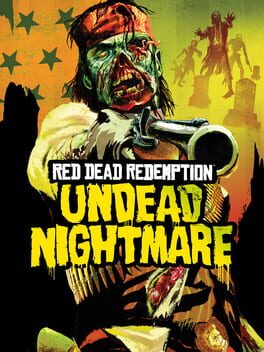
Historically, attempts to blend Soulslike mechanics with other genres have been a mixed bag. Projects like Dark Souls II’s foray into open‑world exploration and Nioh’s samurai‑centric combat showed that the core loop of deliberate risk‑reward can translate beyond medieval fantasy, provided the developers respect the underlying design pillars. Guns of Eschaton inherits that lineage while also drawing on the early 2010s resurgence of Western‑themed shooters such as Red Dead Redemption: Undead Nightmare and the more recent narrative‑heavy Desperados III. The convergence of these influences signals a broader industry trend: studios are increasingly willing to experiment with cross‑genre hybrids to differentiate themselves in an oversaturated market.
What Happened?
During a hands‑on preview at the London Game Expo, Arcane Frontier demonstrated the game's core loop: players traverse desolate, dust‑choked towns, encountering hostile specters that demand precise timing, stamina management, and a keen eye for enemy patterns—hallmarks of Soulslike design. However, unlike its 3D third‑person predecessors, the combat is rendered from a first‑person perspective, forcing players to confront threats head‑on with a variety of period‑appropriate firearms, each meticulously modeled to feel weighty and unforgiving. The developers highlighted a “Campfire Respawn” system, where dying players can kindle a temporary sanctuary that restores health and offers limited hints, echoing the bonfire mechanic but reimagined for a gun‑heavy environment.
Arcane Frontier’s lead designer, Maya Delgado, explained that the team deliberately omitted extensive tutorials, opting instead for “learn‑by‑pain” cues that mirror the cryptic storytelling of classic Souls games. The announcement also revealed a planned post‑launch roadmap featuring cooperative “Bandit Bounties,” where up to four players can tackle procedurally generated raids, and a competitive “Duelist” mode that pits dueling gunslingers against each other in high‑stakes, one‑life matches. The studio confirmed the title will launch on PlayStation 5, Xbox Series X|S, and PC in Q1 2027, with a limited physical collector’s edition that includes a replica revolver and a leather‑bound lore compendium.
Analysis
The decision to fuse Soulslike difficulty with a first‑person Western shooter is a calculated gamble that could reshape expectations for both genres. From a market perspective, the FPS arena is currently fragmented: while AAA franchises like Call of Duty and Battlefield dominate sales charts, indie and mid‑tier titles struggle to break through without a distinctive hook. Guns of Eschaton’s hybrid identity offers a clear differentiator, potentially attracting the “hardcore” demographic that has been underserved since the decline of titles like Dying Light’s Souls-inspired mode. Moreover, the game’s emphasis on atmospheric world‑building aligns with the rising consumer appetite for narrative depth, as evidenced by the success of titles such as Elden Ring and The Last of Us Part II.
Technical hurdles, however, loom large. Translating the deliberate, methodical pacing of a Soulslike into a first‑person framework demands meticulous balance; too much sluggishness can alienate FPS purists, while overly aggressive gunplay may dilute the tension that defines the Souls formula. Early hands‑on impressions suggest the learning curve is steep, with limited UI guidance and a steep penalty for missteps. If Arcane Frontier can refine this balance through post‑launch patches and community feedback, the title could set a new benchmark for genre hybridity. Conversely, failure to address accessibility concerns may confine the game to a niche audience, limiting its commercial upside despite critical acclaim.
XPLog Opinion
At XPLog UK, we view Guns of Eschaton as a bold, if risky, statement that the industry is finally ready to reward audacious design over safe sequels. The game’s unapologetic difficulty and its refusal to hand‑hold players signal a resurgence of the “hardcore” ethos that once defined the early 2010s PC scene. Should the studio manage to polish the core loop and deliver robust post‑launch support, Guns of Eschaton could become a cult classic that forces larger publishers to reconsider the viability of high‑risk, high‑reward experiences in a market that increasingly favors live‑service models.
Final Thoughts
Guns of Eschaton arrives at a crossroads where genre fatigue meets a hunger for innovation. Its blend of unforgiving combat, immersive Western aesthetics, and Soulslike progression could either carve out a new sub‑genre or become a cautionary tale of over‑ambition. Keep an eye on Arcane Frontier’s upcoming beta in November and the official launch window in early 2027; the next few months will reveal whether this gritty experiment can sustain the brutal allure that defines its inspirations while forging a lasting legacy in the FPS landscape.