.png)
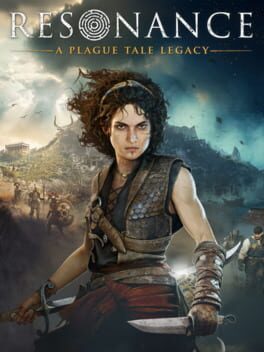
Overview
When Asobo Studio announced Resonance: A Plague Tale Legacy, the gaming press expected a modest side‑story to fill the gaps between the critically lauded A Plague Tale and its sequel Requiem. Instead, the reveal signaled a strategic pivot: the studio is deliberately shedding the franchise’s signature sibling‑dynamic in favour of a broader, more combat‑centric narrative set sixteen years before the original’s harrowing French countryside. This move arrives at a moment when narrative‑driven indie‑to‑mid‑tier titles are vying for relevance against blockbuster releases, and publishers are scrambling to extract additional value from established IPs without diluting their core identity.
Historically, the Plague Tale series has thrived on its intimate storytelling—Amicia and Hugo’s desperate flight through plague‑infested ruins, juxtaposed against the oppressive weight of the Inquisition. By shifting focus to Sophia, the enigmatic saviour of Amicia, Asobo is not merely expanding the timeline; it is attempting to reframe the mythos of the universe, turning a peripheral character into a protagonist whose own trauma fuels the gameplay loop. This decision reflects a broader industry trend where developers mine secondary characters for fresh entry points, as seen with titles like Horizon Forbidden West’s Aloy‑centric DLCs or The Witcher 3’s Geralt‑focused expansions.
What Happened?
Resonance drops players into the turbulent world of a teenage Sophia, whose childhood is scarred by an Inquisition kidnapping and a mysterious poison that grants her unsettling visions of an uncharted island. The narrative premise—her father’s ill‑fated smuggling expeditions to locate a cure—provides a structural backbone for a series of episodic chapters that blend stealth, melee, and ranged combat. Unlike its predecessors, which leaned heavily on environmental puzzles and the symbiotic relationship between Amicia and Hugo, Resonance foregrounds direct confrontation, positioning Sophia as a more conventional action heroine while still preserving the series’ signature atmospheric dread.
Developer statements emphasise that the shift toward combat was intentional, aiming to “explore what a Plague Tale story can be when the focus moves from pure survival to a more aggressive pursuit of truth.” Asobo has also confirmed that the game will retain the series’ hallmark visual design—muted palettes, dynamic lighting, and the ever‑present plague‑infested vermin—yet these elements now serve as set‑pieces for set‑piece battles rather than puzzle obstacles. The game is slated for release across PlayStation 5, Xbox Series X|S, and PC later this year, with a simultaneous launch that underscores Microsoft’s and Sony’s ongoing competition for narrative‑driven exclusives.
Analysis
From a market perspective, Resonance represents Asobo’s attempt to broaden the franchise’s demographic reach. By amplifying combat, the studio hopes to attract players who may have found the original’s stealth‑heavy design too restrictive, thereby expanding the title’s potential install base. However, this gamble carries the risk of alienating the core fanbase that championed the emotional intimacy and innovative puzzle mechanics of the first two games. The broader industry has witnessed similar pivots—consider the mixed reception of Resident Evil Village’s shift toward action, which split longtime fans while still delivering strong sales.
Technically, the transition to a more combat‑oriented engine places new demands on Asobo’s development pipeline. The need for fluid melee systems, enemy AI capable of reacting to both stealth and open‑fight scenarios, and the integration of the plague‑infested hordes as dynamic threats could stretch the studio’s resources. Yet, Asobo’s track record with the original titles—particularly their mastery of atmospheric lighting and sound design—suggests they possess the expertise to fuse these new mechanics without compromising the series’ signature mood. Success will hinge on balancing the visceral thrill of combat with the lingering sense of helplessness that defined the franchise’s early identity.
XPLog Opinion
At XPLog UK, we view Resonance as a bold, if risky, evolution. The decision to re‑center the narrative on Sophia offers a fresh emotional anchor and could rejuvenate the series’ storytelling potential, but the departure from the delicate balance of horror and empathy that made the original games iconic may dilute the very essence that earned them critical acclaim. If Asobo can weave the new combat systems into the existing tapestry of dread without sacrificing narrative depth, Resonance could set a new benchmark for franchise spin‑offs; if not, it may become a cautionary tale of over‑expansion.
Final Thoughts
Resonance: A Plague Tale Legacy arrives at a crossroads where narrative fidelity and market expansion collide. Its success will be measured not only by sales figures but by how convincingly it can retain the franchise’s haunting soul while delivering a fresh, action‑driven experience. Players and analysts alike should keep an eye on the August 2026 launch window, the post‑release community response, and the forthcoming patches that will reveal whether Asobo’s gamble pays off or merely adds another footnote to an otherwise groundbreaking series.