.png)
Overview
Microsoft’s Xbox Game Pass has evolved from a peripheral perk to a cornerstone of the console ecosystem, shaping how developers and players negotiate value in a market increasingly dominated by subscription services. As the 2026 fiscal year reaches its midpoint, the September refresh showcases eight titles, a roster that not only reflects the platform’s commitment to diversity but also underscores a strategic pivot toward high‑concept indie experiences that can attract both legacy fans and newcomers seeking fresh narratives.
The latest additions—Well Dweller, a dark fairy‑tale metroidvania, and Dice A Million, making its first console appearance—arrive at a time when the industry is wrestling with the aftershocks of the 2023 “subscription fatigue” debate. Players now demand tangible, exclusive content that justifies recurring fees, while publishers seek reliable revenue streams that mitigate the volatility of traditional launch windows. This tension frames the significance of September’s lineup, positioning Xbox Game Pass as both a testing ground for experimental IP and a safety net for titles that might otherwise struggle to secure a foothold on retail shelves.
What Happened?
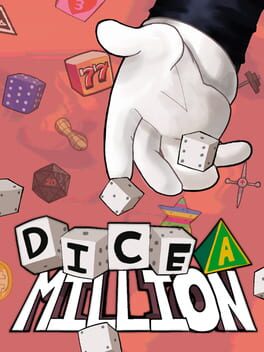
On September 4, Dice A Million will debut on Xbox consoles as part of the Game Pass library, marking the first time the dice‑rolling roguelike, originally launched on PC and mobile platforms, reaches a mainstream console audience. The title, developed by indie studio Luminous Labs, blends strategic probability mechanics with procedurally generated dungeons, offering a fresh twist on the genre that has historically been dominated by titles like Hades and Slay the Spire. Microsoft’s announcement highlighted the game’s “deep replayability” and its alignment with Game Pass’s ethos of delivering “endless value through discovery.”
Two weeks later, on September 22, Well Dweller will join the service, introducing players to a brooding, narrative‑driven metroidvania set in a twisted, fairy‑tale world where light and shadow are not merely aesthetic choices but core gameplay systems. Developed by the critically acclaimed studio Nightshade Interactive, the game promises a seamless blend of platforming precision, atmospheric storytelling, and a combat system that rewards players for mastering both the darkness and the illumination. The announcement emphasized that Well Dweller’s inclusion is part of a broader push to spotlight “high‑risk, high‑reward” indie projects that push the boundaries of conventional design.
Analysis
The timing of these additions is no accident; Microsoft is leveraging the September window—traditionally a lull between major holiday releases—to reinforce Game Pass as a “must‑have” service during the off‑season. By securing Dice A Million’s console debut, Xbox taps into an existing fan base while expanding the title’s reach, effectively turning a modest PC hit into a cross‑platform revenue generator without the overhead of a physical launch. Meanwhile, Well Dweller’s genre aligns with a resurging appetite for metroidvania experiences, a trend catalyzed by the success of titles like Ori and Hollow Knight, which have demonstrated that deep, exploration‑focused gameplay can thrive on subscription platforms when paired with robust community support.
From a competitive standpoint, these moves also serve as a counter‑measure against Sony’s PlayStation Plus Premium, which has recently doubled down on “classic” titles and limited‑time exclusives. Xbox’s strategy of curating fresh indie gems alongside established franchises creates a differentiated value proposition that could sway undecided gamers who prioritize novelty over nostalgia. However, the approach is not without risk: the sheer volume of titles on Game Pass can lead to “library fatigue,” where standout games are lost in the churn. Success will hinge on Microsoft’s ability to surface these games through algorithmic recommendations, curated editorial content, and strategic marketing pushes that highlight each title’s unique selling points.
XPLog Opinion
From XPLog’s perspective, the September injections of Dice A Million and Well Dweller represent a calculated gamble that could pay dividends in brand loyalty and subscriber growth, provided Microsoft continues to invest in discoverability tools that prevent these gems from becoming invisible in a sea of content. The decision to back a niche metroidvania alongside a dice‑based roguelike signals a confidence in the maturity of the Game Pass audience—a cohort that now expects depth, replayability, and artistic ambition from their subscription catalog, not just a buffet of mainstream blockbusters.
Final Thoughts
As September unfolds, the performance metrics of Dice A Million and Well Dweller will serve as early indicators of how well Xbox Game Pass can sustain its momentum in a crowded subscription market. Observers should keep an eye on player engagement stats, churn rates, and community sentiment leading into the Q4 holiday rush, when the platform will once again be tested by high‑profile releases. If these indie additions succeed in capturing sustained attention, they could redefine the blueprint for future Game Pass line‑ups, cementing the service’s role as a launchpad for innovative experiences rather than a mere repository of legacy titles.