.png)
Overview
After a decade of quietude punctuated only by occasional spin‑offs and mobile experiments, Konami has once again thrust the Silent Hill franchise into the limelight with the release of a brand‑new trailer for Silent Hill: Townfall. The teaser, which debuted on the company’s official channels, not only showcases the series’ signature fog‑shrouded streets and unsettling ambient soundscapes, but also introduces a cadre of recognizable faces that will anchor the narrative. This move arrives at a moment when the survival‑horror genre is experiencing a renaissance, driven by both nostalgic revivals such as Capcom’s Resident Evil Remake series and a surge of indie titles that have re‑defined atmospheric dread for a streaming‑savvy audience.
Konami’s decision to revive Silent Hill on a next‑gen console platform reflects a broader strategic pivot. The publisher, once a titan of arcade and console hits, has spent recent years consolidating its portfolio around mobile and pachinko ventures, leaving core gamers uneasy about the future of its flagship IPs. By committing resources to Townfall, Konami signals an intent to re‑engage the hardcore demographic that once propelled Silent Hill to cultural prominence in the late ’90s and early 2000s. The timing also dovetails with Sony’s aggressive push for exclusive, narrative‑driven experiences on the PlayStation 5, suggesting a potential alignment that could see Townfall become a system‑seller if executed with the polish expected of a flagship horror title.
What Happened?
The newly released trailer, approximately ninety seconds in length, intercuts tightly choreographed cinematic sequences with in‑game footage that hints at a more action‑infused yet still psychologically charged gameplay loop. Among the highlighted elements are a reimagined version of the infamous “Red Pyramid” symbol, a return to the series’ hallmark use of radio static as a gameplay mechanic, and a glimpse of a protagonist whose design blends the classic Silent Hill everyman with modern, hyper‑realistic rendering. Crucially, the trailer also unveils a handful of cast members, including veteran voice talent who previously lent their voices to iconic characters in the series, as well as a few fresh faces from contemporary film and television, underscoring Konami’s ambition to blend legacy with fresh appeal.
Accompanying the visual showcase, Konami’s press release emphasized that Townfall will be built on a proprietary engine optimized for the PlayStation 5’s SSD architecture, promising near‑instantaneous load times and dynamic lighting that reacts to player actions—a technical leap that could finally allow the series to fully exploit next‑gen hardware capabilities. The publisher also hinted at a release window aimed for the latter half of 2027, positioning the title to capitalize on the holiday sales surge while avoiding direct competition with the anticipated releases of other major horror franchises. The statement concluded with a promise of “deep, branching narratives that respond to player choice,” a clear nod to the series’ historic emphasis on psychological storytelling over pure combat.
Analysis
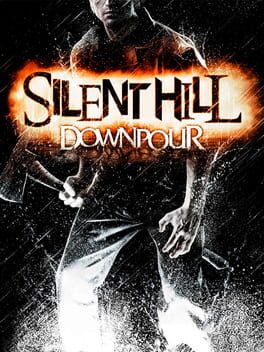
From a market perspective, Silent Hill: Townfall arrives at a crossroads where legacy franchises are either reinvented with cutting‑edge technology or left to languish as nostalgic footnotes. Konami’s gamble hinges on its ability to marry the series’ atmospheric pedigree with the kinetic expectations of today’s gamers, many of whom have grown accustomed to the high‑octane pacing of titles like Resident Evil Village and The Last of Us Part II. The decision to leverage a next‑gen‑first approach could provide a competitive edge, especially if the promised seamless loading and adaptive lighting translate into a genuinely immersive experience. However, the technical ambition also raises the specter of development risk; past attempts at reviving Silent Hill, such as the poorly received Silent Hill: Downpour, suffered from budget constraints and a lack of clear creative direction, leading to diluted horror elements. Townfall must therefore navigate a delicate balance between honoring its lineage and innovating enough to justify its place in a crowded horror market.
Competitor dynamics further complicate the landscape. Capcom’s continued dominance with Resident Evil, bolstered by strong sales and critical acclaim, sets a high bar for narrative cohesion and gameplay fluidity. Meanwhile, indie developers like Red Barrels and Bloober Team have demonstrated that lean, story‑driven horror can achieve both commercial success and cult status. Konami’s success will depend not only on the technical polish of Townfall but also on its capacity to deliver a narrative that resonates with both veteran fans and newcomers. If the game can integrate the series’ signature psychological dread with modern design sensibilities—such as optional difficulty tiers, robust accessibility options, and live‑service post‑launch content—it could re‑establish Silent Hill as a flagship horror experience in the era of streaming and esports‑adjacent viewership.
XPLog Opinion
At XPLog UK, we view Silent Hill: Townfall as Konami’s most earnest attempt in years to reclaim its status as a purveyor of high‑concept horror. The trailer’s atmospheric fidelity and the inclusion of seasoned voice talent suggest a respect for the franchise’s roots, while the technical promises indicate a willingness to evolve. Our stance is cautiously optimistic: if Konami can deliver on its promise of a choice‑driven narrative without sacrificing the oppressive ambience that defined the original titles, Townfall could become a benchmark for how legacy IPs adapt to next‑gen expectations. Failure, however, would reinforce the narrative that Konami’s strengths now lie elsewhere, potentially sealing Silent Hill’s fate as a relic rather than a revitalized franchise.
Final Thoughts
Silent Hill: Townfall stands at the intersection of nostalgia and innovation, offering a litmus test for Konami’s ability to re‑engage the core gaming audience that once revered its horror masterpieces. With a projected 2027 launch, the industry will be watching closely as development milestones unfold, particularly around gameplay demos and deeper narrative reveals. Should Konami succeed, Townfall could not only resurrect a beloved series but also reshape the competitive dynamics of survival horror on next‑gen consoles, setting a new standard for atmospheric storytelling in an age dominated by fast‑paced action. Keep an eye on Konami’s upcoming developer diaries and PlayStation’s showcase events for the next wave of information that will determine whether Townfall truly lives up to the dread‑laden promise of its forebears.