.png)
Overview
The lights dimmed at Cologne's Messezentrum, and Geoff Keighley’s signature cadence set the stage for what quickly became the most consequential Opening Night Live in recent memory. While the pandemic‑era shows leaned heavily on nostalgia, this year’s two‑hour showcase signaled a decisive pivot toward fresh IPs and genre‑blending experiments, a move that reflects both the maturing tastes of core gamers and the pressure on platform holders to differentiate their ecosystems in an increasingly crowded market. The line‑up spanned from high‑budget AAA sequels to daring indie‑style ventures, underscoring a strategic diversification that publishers have been quietly cultivating since the console wars of the early 2020s, when subscription services forced studios to think beyond single‑title lifecycles.
From a macro‑economic perspective, the announcements arrive at a time when the global games market is projected to surpass $230 billion, with live‑service revenues and cross‑platform play dictating the next wave of growth. Developers are therefore incentivized to create titles that can sustain long‑term engagement, whether through competitive ladders, seasonal content, or community‑driven economies. This context explains why we see a turn‑based Rainbow Six offering sitting beside a cooperative fantasy adventure from the creators of Genshin Impact, each designed to capture distinct slices of the player base while feeding the broader ecosystem of DLC, cosmetics, and esports pipelines.
What Happened?
Hoyoverse, best known for the meteoric success of Genshin Impact, unveiled Nodusfall, a cooperative fantasy action game that immediately drew visual comparisons to the open‑world grandeur of Elden Ring. The trailer showcased a sprawling, rune‑etched landscape populated by towering beasts and a combat system that blends real‑time melee with elemental skill trees, hinting at a design philosophy that marries the accessibility of mobile‑first titles with the depth expected by PC and console veterans. Though a launch window remains unannounced, the studio’s emphasis on cross‑play and a shared progression layer suggests an ambition to become a cornerstone of the next generation’s “games as a service” model.
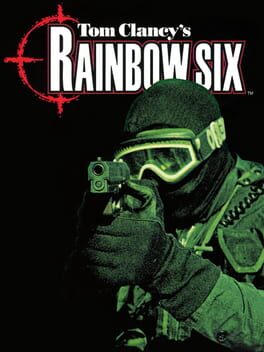
Equally noteworthy was the reveal of Tom Clancy's Rainbow Six Tactics, a turn‑based strategy spin‑off helmed by the veterans behind Mario + Rabbids Kingdom Battle and Ghost Recon Frontline. By transplanting the tactical operators of Siege into a grid‑based battlefield, Ubisoft is attempting to broaden its franchise appeal to players who favor cerebral pacing over reflex‑driven firefights. Scheduled for a 2027 release, the title will debut on both legacy and current‑gen hardware, leveraging Ubisoft’s Uplay+ subscription to seed a steady revenue stream while testing the waters for a potential e‑sports format built around turn‑based decision‑making.
Analysis
The simultaneous rollout of these divergent projects signals a strategic hedging by publishers against the volatility of player preferences. Hoyoverse’s gamble on a high‑production cooperative action game reflects a belief that the “Elden Ring” aesthetic has transcended its original niche, becoming a visual shorthand for premium, lore‑rich experiences. If Nodusfall can deliver a seamless cross‑platform ecosystem, it could set a benchmark for future titles seeking to blend the monetisation models of free‑to‑play with the narrative heft of AAA releases, thereby reshaping how studios allocate development budgets across genres.
Conversely, Ubisoft’s turn‑based approach with Rainbow Six Tactics illustrates an industry‑wide trend of re‑imagining established IPs for new gameplay modalities. This mirrors the success of titles like Hearthstone and Legends of Runeterra, where familiar universes are repurposed for card‑based or tactical formats, extending brand longevity. The decision to target both legacy and current hardware also reveals a pragmatic acknowledgment that console adoption rates remain uneven globally, and that maximizing install base is still a critical KPI for long‑term profitability.
XPLog Opinion
At XPLog, we view the 2026 Opening Night Live as a watershed moment that forces the industry to confront the dual imperatives of innovation and sustainability; Hoyoverse’s bold visual ambition and Ubisoft’s clever genre‑pivot both illustrate that the era of single‑genre dominance is over, and that the future belongs to studios willing to iterate on their own legacies while courting new player demographics through adaptable, service‑friendly designs.
Final Thoughts
In sum, Gamescom’s opening night has set a high bar for the rest of the year, delivering a blend of fresh IPs, strategic spin‑offs, and bold artistic directions that promise to keep both players and investors watching closely. Key dates to mark include the October 6 launch of Gears of War: E‑Day, the January 15, 2027 debut of the open‑world influencer‑driven Ananta, and the eventual reveal windows for PUBG DED.NET, Tides of Annihilation, and the puzzle‑driven Lofsöng. As the ecosystem evolves, the real story will be how these titles perform in the live‑service arena and whether they can sustain the momentum generated by this ambitious showcase.