.png)
Overview
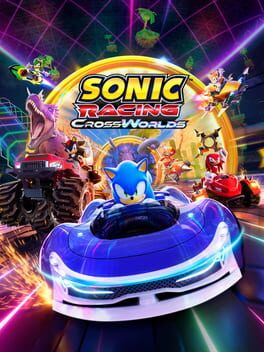
Sonic Racing: CrossWorlds, Sega's ambitious foray into the high‑octane, cross‑platform racing niche, has quietly become a bellwether for how legacy publishers are adapting to the relentless churn of live‑service expectations. Since its launch, the title has leveraged the iconic speed of the Blue Blur while marrying it with a robust, kart‑style formula that appeals to both nostalgic fans and newcomers seeking bite‑sized competitive sessions on mobile and console alike. The recent announcement of a new free‑to‑play character roster arrives at a moment when the industry is witnessing a resurgence of “post‑launch content as a retention engine,” a trend pioneered by free‑to‑play juggernauts such as Fortnite and Genshin Impact, and now being co‑opted by traditionally premium‑first studios.
Historically, Sonic’s transition from 2‑D platformer to diversified media has been a roller‑coaster of critical highs and commercial missteps. The franchise’s venture into racing began with Sonic & SEGA All‑Stars Racing in 2010, a modest entry that failed to capture lasting traction. Fast forward a decade, and Sonic Racing: CrossWorlds represents a calculated pivot: a free‑to‑play core loop supported by micro‑transactions, seasonal events, and now a rotating cast of free characters that echo the “celebrity cameo” strategy employed by titles like Mario Kart Tour. This move is not merely cosmetic; it is a strategic alignment with a broader market shift where player acquisition costs are mitigated through generous, no‑cost content drops that stimulate viral sharing and community discourse.
What Happened?
During a brief livestream on Sega’s official channels, the company confirmed that the next free character update will introduce a “Classic Sonic” avatar, following the earlier rollout of a “Classic Sonic” skin that garnered substantial social media buzz. The new character will be fully unlocked for all players without any monetary barrier, and Sega promises that the addition will be accompanied by a limited‑time race track themed around the original Green Hill Zone, complete with retro visual flourishes and a nostalgic soundtrack. The announcement also hinted at a pipeline of future free characters, suggesting a quarterly cadence that mirrors the seasonal content calendars of rival mobile racers.
Developer statements emphasized that the free character initiative is part of a larger “CrossWorlds Expansion Roadmap” aimed at sustaining player engagement beyond the initial launch window. According to the lead designer, the update was engineered to be “technically lightweight,” meaning it will not require a massive patch size, thereby preserving the game’s accessibility on lower‑end devices—a critical consideration given the title’s global audience spans emerging markets where data caps remain a limiting factor. Moreover, the team highlighted that the new character will be balanced to ensure competitive integrity, avoiding the pitfalls of pay‑to‑win criticisms that have plagued many live‑service racers.
Analysis
From a market perspective, Sega’s decision to provide high‑profile, free characters directly challenges the prevailing monetisation models of its mobile racing peers, which often reserve premium avatars for paying users. By democratizing access to iconic iterations of Sonic, Sega not only taps into the deep well of brand nostalgia but also creates a low‑friction entry point for lapsed or hesitant players. This could translate into a measurable uplift in daily active users (DAU) and, more importantly, improve retention metrics that are crucial for ad‑based revenue streams. The timing is also noteworthy: with Apple’s App Store and Google Play tightening their policies around in‑app purchases, a free‑first approach may insulate CrossWorlds from regulatory scrutiny while still enabling ancillary revenue through cosmetic micro‑transactions and battle passes.
Technically, the update underscores Sega’s maturation of its cross‑platform engine, which now supports rapid content injection without disrupting the core gameplay loop. This agility is a competitive advantage in an ecosystem where weekly or even daily content drops have become the norm. However, the strategy is not without risk. Over‑reliance on free content could dilute the perceived value of paid offerings, potentially eroding the willingness of a segment of the player base to spend. Balancing this equilibrium will require Sega to carefully curate future updates, ensuring that premium items retain a sense of exclusivity while the free roster continues to expand.
XPLog Opinion
At XPLog UK we view Sega’s free‑character rollout as a bold, if calculated, gambit that signals a deeper commitment to treating CrossWorlds as a living service rather than a one‑off title; the move not only revitalises the Sonic brand’s relevance in the mobile sphere but also forces rival publishers to rethink the balance between gratuitous content and monetisable exclusivity—a balance that will define the next wave of sustainable live‑service racing games.
Final Thoughts
In sum, the forthcoming Classic Sonic addition is more than a nostalgic nod; it is a strategic lever that could reshape player acquisition dynamics, extend CrossWorlds’ lifespan, and set a precedent for how legacy IPs navigate the free‑to‑play landscape. Keep an eye on Sega’s quarterly update schedule and the upcoming Q4 earnings call, where the company is expected to reveal concrete retention figures and the next wave of free content slated for early 2027.