.png)
Overview
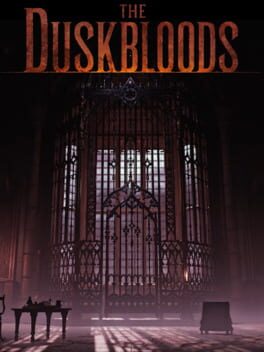
When FromSoftware announced The Duskbloods as a flagship exclusive for Nintendo’s yet‑to‑launch Switch 2, the gaming press instantly began dissecting what the partnership meant for both companies. The collaboration arrives at a crossroads where the once‑niche, high‑difficulty action‑RPG genre is being thrust onto a platform known for its family‑friendly pedigree and massive install base. Historically, FromSoftware’s titles—starting with the groundbreaking Demon’s Souls in 2009 and cemented by the Dark Souls trilogy—have cultivated a reputation for punishing difficulty, emergent player communities, and a fiercely competitive PvP scene that often alienates newcomers. By moving to a handheld console that sells in the tens of millions, the studio is now forced to reconcile its core design philosophy with the commercial realities of a broader, more heterogeneous audience.
That tension is amplified by the current market climate, where skill‑based matchmaking (SBMM) has become both a salvation and a lightning rod across multiplayer ecosystems. From the contentious rollout of Fortnite’s ranked modes to the nuanced tiering in Call of Duty’s Warzone, developers are wrestling with how to protect novice players without diluting the competitive edge that long‑time veterans cherish. The Duskbloods’ decision to embed a robust SBMM system directly into its multiplayer framework signals a strategic pivot: rather than relying on community‑driven etiquette or optional “casual” queues, FromSoftware is institutionalising a safety net that could reshape how its notoriously unforgiving combat is experienced on a console that traditionally leans toward accessibility.
What Happened?
During a live‑streamed developer briefing, Hidetaka Miyazaki outlined the core tenets of The Duskbloods’ matchmaking architecture. The system will continuously evaluate player performance metrics—damage output, death frequency, successful parries, and even nuanced timing windows—to assign a dynamic skill rating that updates in real time. New entrants will be placed into cohorts that match their emergent proficiency, ensuring that a first‑time player is not instantly pitted against a veteran who can execute a perfect riposte within milliseconds. Miyazaki emphasized that this is not a static ladder but a fluid ecosystem, where players can “graduate” to higher‑skill brackets as they improve, preserving the series’ hallmark of rewarding mastery.
In addition to the core SBMM, the announcement highlighted several ancillary safeguards: optional “training duels” that simulate high‑level encounters without affecting rank, a “mentor‑match” mode that pairs seasoned players with newcomers for guided runs, and a transparent post‑match analytics dashboard. These features are designed to mitigate the notorious “gatekeeping” culture that has plagued FromSoftware’s online communities, where veteran players sometimes actively discourage or sabotage less experienced participants. By embedding these tools into the very fabric of the game, the studio hopes to foster a more inclusive yet still challenging environment, particularly crucial for a Switch 2 launch that aims to capture both hardcore and casual audiences.
Analysis
The introduction of SBMM into The Duskbloods represents a calculated gamble that could reverberate across the entire action‑RPG genre. From a market perspective, Nintendo’s upcoming console is poised to dominate the hybrid handheld segment, and securing a marquee exclusive that retains the franchise’s difficulty while being approachable could dramatically expand the player pool. If successful, the model may encourage other traditionally “hardcore‑only” studios to adopt similar matchmaking frameworks, potentially reshaping the competitive landscape of titles like Elden Ring’s forthcoming multiplayer expansions or even the broader Souls‑like indie scene.
However, the implementation is fraught with technical and cultural challenges. SBMM systems require massive data collection and real‑time analysis, demanding robust server infrastructure that Nintendo’s ecosystem has historically struggled with, as seen during the early days of Splatoon 2’s online services. Moreover, the very community that has championed FromSoftware’s brutal learning curve may perceive the new system as a dilution of the series’ ethos, risking backlash similar to the outcry over Overwatch’s early matchmaking attempts. Balancing the algorithmic fairness needed to protect newcomers while preserving the thrill of high‑stakes duels will be a delicate act, and any misstep could erode the studio’s hard‑won reputation for uncompromising design.
XPLog Opinion
At XPLog, we view FromSoftware’s SBMM initiative as a bold, forward‑looking maneuver that could set a new industry benchmark for marrying difficulty with inclusivity. While purists may decry the perceived “softening” of the Souls experience, the reality is that the franchise’s longevity now hinges on its ability to welcome fresh blood without sacrificing the sense of achievement that defines it. By embedding mentorship tools and transparent performance feedback, The Duskbloods not only safeguards newcomers but also cultivates a pipeline of players who can eventually become the next generation of elite duelists, thereby strengthening the community rather than fragmenting it.
Final Thoughts
Ultimately, The Duskbloods’ launch on Switch 2 could serve as a litmus test for how high‑skill, high‑penalty games adapt to an increasingly diverse console market. With a projected release window in early 2027 and a series of beta tests slated for late 2026, the industry will be watching closely to see whether Miyazaki’s matchmaking vision delivers a harmonious blend of challenge and accessibility, or whether it becomes another cautionary tale of over‑engineering player experience. The outcome will likely inform not only FromSoftware’s future roadmap but also the broader discourse on how multiplayer ecosystems can evolve without compromising the core identity that made them legendary.