.png)
Overview
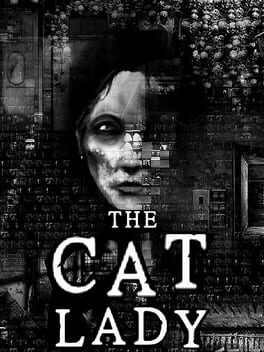
In the past decade the visual‑novel genre has shed its niche‑indie skin and begun to attract mainstream attention, driven by a growing appetite for narrative‑driven experiences that tackle mental‑health themes with nuance. Titles such as "Sea of Solitude" and "The Cat Lady" have proved that players are eager to explore depressive states, existential dread, and the fragile line between imagination and reality, turning what once was a sub‑cultural curiosity into a commercially viable segment of the interactive‑media market. This shift dovetails with a broader cultural reckoning around mental‑wellness, where creators are no longer shy about embedding anxiety, burnout, or creative paralysis into their storytelling frameworks.
Enter a cadre of artists who spent the last several years polishing the kinetic energy of "Spider‑Verse", the 2023 animated juggernaut that re‑imagined the Marvel multiverse with a hyper‑stylised, frame‑by‑frame aesthetic. Disillusioned with the constraints of blockbuster animation pipelines, a core group of those animators has quietly pivoted toward interactive media, seeking a canvas where their visual flair can be married to player agency. Their latest venture, "Tulpa the Unseen Lover", is positioned at the intersection of this artistic migration and the burgeoning appetite for psychologically complex visual novels, promising to deliver a story that feels as much like a living manga as it does a game.
What Happened?
Earlier this week the development studio behind "Tulpa the Unseen Lover" unveiled a comprehensive trailer that introduced players to a depressed manga artist who, in a desperate bid to escape his own creative stagnation, conjures an ethereal anime girl—a tulpa—directly from the recesses of his mind. The visual novel’s premise echoes the surreal narrative beats of Satoshi Kon’s unfinished manga "Opus", where a creator is literally drawn into his own work. Here, the tulpa serves as both muse and menace, embodying the paradoxical allure of inspiration that can simultaneously heal and haunt. The announcement confirmed that the game will launch on PC, PlayStation 5, and Xbox Series X|S, with a planned release window in the final quarter of 2026.
In accompanying developer commentary, the former Spider‑Verse team emphasized their commitment to preserving the kinetic energy of high‑end animation while embracing the slower, contemplative pacing of visual‑novel storytelling. They highlighted a custom dialogue engine designed to allow the tulpa’s expressions to shift fluidly in response to player choices, a technical ambition that mirrors the studio’s prior work on frame‑accurate motion in "Spider‑Verse". Moreover, the creators spoke candidly about their personal experiences with creative burnout, positioning the game as a cathartic exploration of the very pressures that drove them from the world of blockbuster animation into the more intimate realm of interactive narrative.
Analysis
The market timing for "Tulpa the Unseen Lover" could not be more auspicious. As streaming platforms like Twitch and YouTube Gaming continue to showcase live playthroughs of narrative‑heavy titles, visual novels are gaining unprecedented exposure to audiences that traditionally favoured action‑oriented fare. This visibility translates into stronger sales pipelines for indie studios, especially when a product carries the pedigree of a team that has already proven its technical chops on a global blockbuster. Competitors such as "Dreams of Love" and "Abyssal Echoes" have demonstrated that a blend of high‑quality animation and deep psychological storytelling can command premium pricing, suggesting that Tulpa could capture a lucrative slice of the mid‑tier premium market.
From a technical standpoint, the studio faces a formidable challenge: integrating the frame‑by‑frame polish of Spider‑Verse‑era animation into a genre that typically relies on static sprites and limited motion. To achieve this, the team is reportedly leveraging a hybrid engine that couples Unity’s visual‑novel framework with a bespoke rendering pipeline for animated cutscenes. This approach promises a seamless visual language where the tulpa’s expressions can morph in real time, but it also raises concerns about performance on lower‑end hardware and the resource overhead required for such fidelity. Successful execution could set a new benchmark for visual‑novel production values, while any missteps might expose the limits of indie budgets when attempting to replicate blockbuster aesthetics.
XPLog Opinion
From XPLog’s perspective, "Tulpa the Unseen Lover" represents a daring experiment that could redefine how visual novels are perceived within the broader gaming ecosystem. By harnessing the cinematic expertise of former Spider‑Verse animators, the title has the potential to elevate the genre from a niche storytelling format to a showcase for next‑generation animation techniques. If the studio can balance its artistic ambitions with a polished, accessible gameplay loop, Tulpa may not only resonate with core gamers seeking substantive narrative experiences but also attract a new demographic of players who appreciate the marriage of anime‑style visuals with interactive depth.
Final Thoughts
In sum, "Tulpa the Unseen Lover" stands at a crossroads where artistic aspiration, market momentum, and technical innovation converge. Its success will hinge on whether the former Spider‑Verse talent can translate blockbuster polish into an intimate, player‑driven narrative without sacrificing performance or accessibility. Keep an eye on the upcoming demo slated for the EGX 2026 showcase and the developer’s regular dev‑log updates, as they will provide the clearest indicators of how this ambitious project will shape the future of psychological visual novels.