Overview
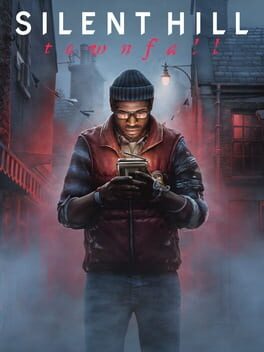
Silent Hill has long been a touchstone of psychological horror, its fog‑laden streets first emerging from Konami’s labs in 1999 and spawning a lineage of games that defined the genre’s narrative depth and atmospheric dread. After a decade of dormancy, the franchise resurfaced under the stewardship of new developer NeoBards Entertainment, a studio renowned for its meticulous world‑building on the Nintendo Switch. The latest installment, Silent Hill: Townfall, arrives at a moment when the PlayStation 5 has cemented its position as the premier hardware for high‑fidelity horror, offering developers unprecedented processing power to render lighting, texture detail, and audio cues that can genuinely unsettle players.
In the broader console ecosystem, exclusivity windows have become a strategic lever for platform holders seeking to differentiate their libraries in an increasingly crowded market. Sony, in particular, has leaned heavily on timed exclusives to bolster the PS5’s value proposition, a tactic that has paid dividends for marquee franchises such as Horizon and God of War. The confirmation that Townfall will remain a PlayStation‑only experience for an extended period therefore carries weight far beyond a simple platform lock; it reflects Sony’s confidence in the title’s ability to attract a core audience and to reinforce the horror niche that has historically been under‑served on its console.
What Happened?
The freshly released gameplay trailer, clocking in at just over eighteen minutes, offers an unfiltered look at Townfall’s design philosophy. Players are thrust into a decaying urban sprawl where every alleyway is drenched in dynamic, volumetric fog, and the lighting system reacts in real time to the protagonist’s torch, casting elongated shadows that seem to breathe. Combat sequences blend deliberate, tension‑filled melee encounters with moments of frantic, gun‑play, while the sound design leverages the PS5’s Tempest 3D AudioTech to position distant whispers and creaking floorboards with pinpoint accuracy. The trailer also showcases a revamped sanity meter that directly influences visual distortion and enemy behavior, a nod to the series’ legacy of psychological manipulation.
Beyond the visceral showcase, the trailer subtly embeds a timestamp and a developer caption that together reveal the exclusivity timeline: Silent Hill: Townfall will debut on the PS5 in Q4 2026 and will not appear on competing platforms until at least two years later, placing its eventual multi‑platform launch squarely in 2028. This information, while not overtly highlighted in the promotional narrative, was confirmed by a follow‑up tweet from NeoBards’ lead producer, who emphasized the partnership with Sony as a “strategic alignment to fully exploit next‑gen hardware.” The quiet confirmation underscores a deliberate marketing choice, allowing the gameplay itself to dominate the conversation while still signaling a long‑term exclusivity commitment.
Analysis
From a market perspective, the extended exclusivity window positions Townfall as a cornerstone of Sony’s horror portfolio, potentially filling the void left by the stalled development of Resident Evil titles on the platform. By locking the game behind the PS5 for a full two‑year span, Sony can harness Townfall’s launch window to drive hardware sales, particularly among niche gamers who prioritize immersive, story‑driven experiences. This mirrors the success of titles like Bloodborne, which leveraged exclusivity to generate sustained sales spikes and community engagement long after release. Moreover, the partnership grants NeoBards access to Sony’s proprietary development tools and marketing muscle, a symbiotic relationship that could elevate the game’s production values beyond what a smaller studio could achieve independently.
However, the decision also introduces technical and commercial risks. Prolonged exclusivity may alienate a segment of the franchise’s global fanbase accustomed to cross‑platform releases, especially in regions where PlayStation hardware penetration lags behind Xbox or PC. The delay could also compress the window for post‑launch support and DLC, as the development team must balance ongoing optimization for the PS5 with the eventual task of porting the title to other architectures. Historically, such ports have sometimes suffered from performance disparities, a factor that could tarnish the series’ reputation if not handled meticulously.
XPLog Opinion
At XPLog UK we view the extended PS5 exclusivity as a calculated gamble that could pay off handsomely for both Sony and NeoBards. The horror genre thrives on technological immersion, and the PS5’s hardware capabilities are uniquely suited to deliver the visceral, sensory experience that Silent Hill promises. By committing to a two‑year exclusivity, Sony signals a willingness to invest in genre‑specific flagships rather than relying solely on blockbuster action titles. For the player community, the trade‑off is clear: a deeper, more polished experience now in exchange for a delayed broader release. In our assessment, the potential uplift in PS5 sales and the reinforcement of Sony’s horror catalog outweigh the risks of fan frustration, provided the eventual ports are executed with parity.
Final Thoughts
Silent Hill: Townfall arrives as a bold statement of intent from both its developers and its platform partner, marrying classic psychological terror with next‑gen technical prowess while anchoring itself firmly within the PlayStation ecosystem for the foreseeable future. As the release window approaches in late 2026, the industry will be watching closely to see whether the extended exclusivity model can sustain momentum and deliver the long‑awaited resurgence of the Silent Hill brand, and whether the eventual 2028 multi‑platform launch will preserve the game’s impact across a broader audience.
.png)
 XPLog
22 Aug 2026
4 min read
XPLog
22 Aug 2026
4 min read