.png)
Overview
After a protracted development cycle that began shortly after the original Minecraft Dungeons shipped in 2020, Mojang Studios is poised to deliver a sequel that feels both like a natural evolution and a bold experiment. The announcement arrives at a pivotal moment for the franchise: the Minecraft brand remains a cultural juggernaut, yet the action‑RPG sub‑genre it entered has become increasingly crowded with titles such as Diablo IV, God of War Ragnarök, and the resurgence of classic dungeon‑crawlers on both PC and console. By targeting the Nintendo Switch family—including the soon‑to‑launch Switch 2—Mojang is not merely chasing a loyal install base, but also leveraging the console’s reputation for accessible yet deep multiplayer experiences, a niche that the original Dungeons captured with its couch‑co‑op emphasis.
The timing of the trailer, released on a dedicated Nintendo‑focused outlet, underscores a broader strategic partnership between Microsoft’s Xbox division (the owner of Mojang) and Nintendo. Over the past few years, Microsoft has been softening its historically competitive stance, offering titles like Minecraft and its spin‑offs on the Switch to maintain relevance across hardware ecosystems. This cross‑platform approach reflects a market reality where subscription services such as Xbox Game Pass and Nintendo Switch Online are becoming the primary gateways to content, and where a strong, exclusive‑ish launch can still drive hardware sales in a fragmented console landscape.
What Happened?
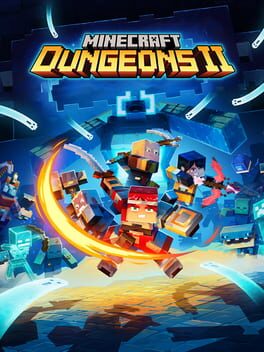
The freshly dropped gameplay trailer, titled “Enter the Sift,” showcases a suite of new mechanics that expand the core loop of loot‑driven combat. Players are introduced to “mysterious rifts” that tear open the fabric of the Minecraft world, leading to a dimension the developers have christened the Sift. This realm is populated by a hierarchy of threats ranging from corrupted mobs to entirely new boss archetypes, each demanding coordinated teamwork and a deeper engagement with the game’s skill trees. Visually, the Sift blends the familiar blocky aesthetic with atmospheric shaders, dynamic weather effects, and a richer palette that hints at a more mature artistic direction without abandoning the series’ whimsical roots.
Beyond the new dimension, the trailer teases an overhaul of the progression system. Weapon and armor upgrades now appear to be tied to a modular crafting grid, allowing for granular stat manipulation that could appeal to the more competitive segment of the player base. Additionally, the presence of a “shared world” hub suggests an increased emphasis on persistent community spaces, potentially integrating with Xbox Live’s cross‑play infrastructure to enable seamless transitions between Switch, PC, and Xbox platforms. The announcement also confirmed a launch window of early next month, positioning the title as a flagship offering for the Switch 2’s debut month, a slot previously reserved for first‑party Nintendo entries.
Analysis
From a market performance perspective, the decision to anchor Minecraft Dungeons II on the Switch ecosystem is a calculated hedge against the current console churn. Nintendo’s upcoming hardware promises a 30‑40 % performance uplift over the original Switch, which could close the longstanding gap that has limited the fidelity of action‑RPG titles on the platform. By delivering a graphically richer, more mechanically complex sequel, Mojang is effectively future‑proofing the franchise for the next generation while still capitalizing on the massive install base of the incumbent Switch. This dual‑target approach also mitigates the risk of a fragmented launch—players on older hardware can still access the game, albeit with scaled‑down visuals, ensuring a broader revenue net.
Competitively, the sequel enters a crowded calendar that includes heavy hitters like Diablo IV’s ongoing live‑service updates and the resurgence of indie dungeon crawlers on the Epic Games Store. However, Minecraft Dungeons II differentiates itself through its unique integration with the broader Minecraft universe, a synergy that no other action‑RPG can claim. The introduction of the Sift could also be a response to player feedback regarding the original’s linear progression, offering a more exploratory, rogue‑like experience that aligns with the rising popularity of procedural content in games such as Hades and Returnal. Technically, the challenge lies in delivering a seamless multiplayer experience across varied hardware, a feat that will test both Mojang’s networking stack and Nintendo’s online services, especially as the industry moves toward true cross‑play without compromising performance.
XPLog Opinion
At XPLog UK we view Minecraft Dungeons II as a litmus test for how legacy franchises can evolve within the modern, service‑driven console market. The title’s ambition to marry a beloved, family‑friendly aesthetic with deeper, more demanding gameplay signals that Mojang—and by extension Microsoft—is willing to gamble on quality over quantity, a stance that could pay dividends in brand loyalty and subscription churn for Xbox Game Pass. Moreover, the strategic alignment with Nintendo’s next‑gen hardware could set a precedent for future high‑profile releases that straddle the line between first‑party polish and third‑party flexibility, a balance that many studios have struggled to achieve in the past decade.
Final Thoughts
In sum, the “Enter the Sift” trailer not only teases a richer, more ambitious sequel but also encapsulates a broader industry shift toward cross‑ecosystem collaboration and modular, replay‑focused design. As the launch date looms, the industry will be watching whether the Sift can deliver on its promise of deeper engagement without alienating the casual core that propelled the original to commercial success. Keep an eye on the official release window slated for early next month, and be prepared for post‑launch patches that will likely expand the Sift’s content in true live‑service fashion—a development path that could define Minecraft Dungeons II’s legacy for years to come.