.png)
Overview
The global video game industry, a titan of entertainment, finds itself at a pivotal juncture, increasingly becoming a target for significant investment from non-traditional sources. In recent years, sovereign wealth funds, particularly Saudi Arabia's Public Investment Fund (PIF), have emerged as formidable players, injecting billions into major publishers and developers. This strategic pivot by nations like Saudi Arabia is often framed as an economic diversification effort, moving away from oil dependency and into lucrative, future-proof sectors. The PIF has already established a substantial footprint across the gaming landscape, holding significant stakes in industry giants such as Nintendo, Activision Blizzard, Take-Two Interactive, Capcom, and Nexon, signalling a clear intent to wield considerable influence over the future direction of digital entertainment.
Against this backdrop of colossal financial manoeuvres, Electronic Arts, one of the most venerable and prolific publishers in the Western gaming sphere, has frequently been a subject of speculation regarding its ownership structure. With a portfolio boasting some of the most recognisable franchises in sports, action, and RPGs, EA represents a prime target for deep-pocketed investors seeking to cement their position within the industry. The prospect of a full acquisition by a sovereign entity like the PIF introduces an entirely new dimension of corporate oversight and strategic redirection, far beyond the influence of a mere stakeholder. Such a fundamental shift in ownership invariably sparks widespread apprehension within the gaming community and among developers, raising critical questions about creative autonomy, long-term project viability, and the very identity of beloved studios and intellectual properties under a new, financially driven mandate.
What Happened?
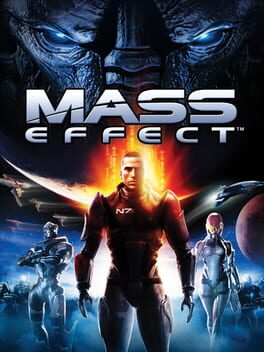
The latest tremors in this ongoing saga emanate from a former Electronic Arts manager, who has voiced profound skepticism regarding the future of the highly anticipated next instalment in the Mass Effect series. This insider perspective, rooted in an understanding of EA's internal workings and project economics, suggests that the beloved sci-fi RPG franchise might be particularly vulnerable should the Saudi PIF complete a full takeover of the publishing behemoth. The concern isn't merely speculative; it taps into a deep-seated anxiety within and outside the company about how a new ownership structure, potentially driven by different investment priorities, might re-evaluate the risk-reward profile of high-budget, long-development-cycle projects that don't immediately fit a live-service or annualised revenue model.
The Mass Effect franchise, renowned for its epic narrative, intricate world-building, and profound player choices, has historically demanded substantial investment in development time and resources. While hugely popular, its most recent mainline entry, Mass Effect: Andromeda, faced a mixed reception, which might factor into any new owner's assessment of its commercial viability versus the immense capital outlay required. BioWare, the storied developer behind the series, is currently toiling away on the next chapter, a project that by its very nature implies years of dedicated effort and significant financial backing. A full PIF acquisition could usher in an era where every major development project is subjected to a rigorous, potentially more conservative, financial stress test, with projects perceived as high-risk or long-tail investments potentially facing re-prioritisation, or even outright cancellation, in favour of titles promising quicker, more predictable returns.
Analysis
The potential implications of a full Saudi PIF acquisition of Electronic Arts extend far beyond the fate of a single franchise; they represent a significant shift in the global gaming industry's financial tectonics. Such a move would further consolidate power within a select group of mega-corporations and state-backed entities, potentially reshaping the competitive landscape and influencing development trends across the board. Investors, particularly those from outside the traditional gaming sphere, often seek stability and predictable returns, which can sometimes clash with the inherently experimental and creatively driven nature of game development. This dynamic could accelerate a broader industry trend towards safer, established IPs and live-service models that guarantee consistent engagement and monetisation, potentially at the expense of innovative, single-player, narrative-focused experiences that, while critically acclaimed, might not always deliver immediate, blockbuster financial results.
For a franchise like Mass Effect, this analysis is particularly poignant. It's a premium, story-driven RPG that thrives on deep immersion and replayability, not necessarily on continuous monetisation post-launch. BioWare's recent history, including the challenging development cycles and reception of titles like Anthem, might already place the studio under intense scrutiny within EA. A new, financially focused owner could view the next Mass Effect as an exceptionally high-stakes venture, weighing its considerable development cost and potential for extended timelines against the perceived certainty of other, more commercially aligned projects within EA's vast portfolio. The delicate balance between artistic vision and commercial imperative, a constant tension in game development, would likely tilt further towards the latter under such a significant corporate restructuring.
XPLog Opinion
From XPLog UK's perspective, the mere suggestion that a franchise as iconic and beloved as Mass Effect could be imperilled by a corporate takeover sends a chilling message across the industry. While investment is crucial for growth, the increasing influence of non-gaming sovereign funds raises serious questions about the long-term preservation of creative independence and diverse storytelling in video games. The fear isn't just about Mass Effect; it's about a potential future where financial spreadsheets dictate artistic direction, where risk-averse strategies stifle innovation, and where unique, narrative-rich experiences are sidelined in favour of endlessly monetisable, generic live-service offerings. Players and developers alike deserve an industry where artistic ambition is championed, not merely tolerated, and where the rich tapestry of gaming isn't reduced to a series of predictable, profit-maximising ventures. We urge all stakeholders to consider the profound cultural value of these IPs beyond their immediate financial projections.
Final Thoughts
Ultimately, the fate of the next Mass Effect, and indeed the broader strategic direction of Electronic Arts, remains shrouded in uncertainty as long as the potential for a full Saudi PIF acquisition looms. While the concerns of a former EA manager are currently speculative, they resonate deeply with industry trends and player anxieties about the future of creative freedom under new ownership. The coming months will be critical, as any official announcements regarding EA's ownership structure will undoubtedly spark renewed debate and scrutiny. Players should closely monitor BioWare's progress, any internal shifts at EA, and the wider industry's response to these colossal financial manoeuvres, as they will define not just the future of one beloved franchise, but potentially the very landscape of AAA game development for years to come.