.png)
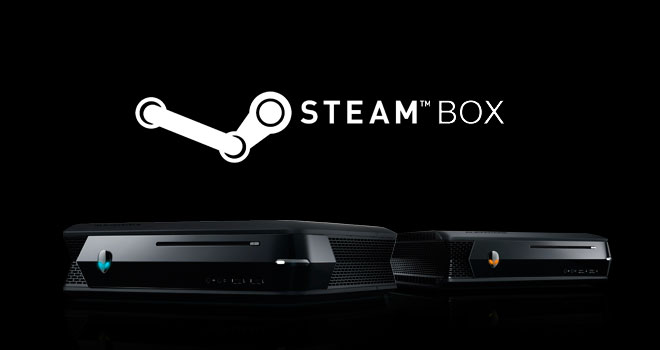

Valve’s return to living-room PC hardware has reignited comparisons with modern consoles and even its own handheld. With the Steam Machine positioned as a compact desktop PC and the Steam Deck continuing to refine portable PC gaming, these platforms are designed for very different ways to play.
- PS5 & Xbox Series X: Best for plug-and-play 4K gaming at 60fps.
- Valve Steam Machine: A compact PC for TVs, trading simplicity for flexibility.
- Steam Deck: Portable PC gaming focused on 800p performance and battery life.
- Bottom line: Consoles = simplicity, Steam Machine = freedom, Steam Deck = mobility.
Hardware Specifications Compared
| Platform | CPU | GPU | Memory | Storage | Designed For |
|---|---|---|---|---|---|
| Valve Steam Machine (Desktop) | AMD Zen 4, 6 cores / 12 threads | AMD RDNA 3 (desktop-class) | 16GB DDR5 | 512GB – 2TB NVMe SSD | 1080p–4K gaming with upscaling |
| PlayStation 5 | Custom AMD Zen 2, 8 cores | RDNA 2, ~10.3 TFLOPs | 16GB GDDR6 | 825GB custom SSD | Console-first 4K gaming |
| Xbox Series X | Custom AMD Zen 2, 8 cores | RDNA 2, ~12 TFLOPs | 16GB GDDR6 | 1TB NVMe SSD | High-performance console gaming |
| Steam Deck | AMD Zen 2, 4 cores / 8 threads | RDNA 2 APU (8 CUs) | 16GB LPDDR5 | 256GB / 512GB NVMe + microSD | Portable PC gaming at 800p |
Steam Deck vs Valve’s Desktop PC
Although both systems use SteamOS and share the same library, they target completely different experiences. The Steam Deck prioritises efficiency and mobility, while the Steam Machine is built for sustained performance on larger displays.
| Category | Steam Deck | Valve Steam Machine |
|---|---|---|
| Form Factor | Handheld | Compact desktop |
| Resolution Target | 720p–800p | 1080p–4K (with upscaling) |
| Thermal Headroom | Low (battery-powered) | High (plug-in) |
| Upgrade Options | Storage only | RAM & storage (model-dependent) |
Real-World FPS Performance (Typical Results)
Actual performance varies by game, settings, and upscaling modes. The figures below represent commonly reported averages rather than best-case scenarios.
| Game / Mode | Steam Machine | PS5 | Xbox Series X | Steam Deck |
|---|---|---|---|---|
| Cyberpunk 2077 (Performance Mode) | ~60 FPS at 1440p (FSR) | ~60 FPS | ~60 FPS | 30–40 FPS at 800p |
| Modern AAA Open-World Titles | 60 FPS at 1080p–1440p | 60 FPS (performance) | 60 FPS (performance) | 30–60 FPS depending on settings |
| Ray Tracing Enabled | ~30 FPS with upscaling | 30 FPS typical | 30 FPS typical | Not practical |
What This Means for Players
If you value simplicity and predictable performance, PlayStation 5 and Xbox Series X remain the easiest choices. Valve’s Steam Machine bridges the gap between consoles and full PCs, offering greater freedom at the cost of consistency.
The Steam Deck stands apart as a portable PC powerhouse, delivering impressive performance within tight power limits rather than chasing visual fidelity.
In short: consoles win on ease of use, the Steam Deck excels at mobility, and Valve’s desktop Steam Machine targets players who want PC flexibility in a living-room-friendly form.