.png)
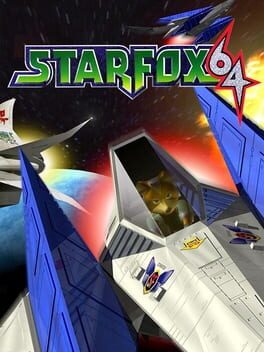
Last week’s announcement that the next Star Fox project is a reimagining of Star Fox 64 divided opinion across the fanbase. Enthusiasm for the franchise sat alongside a very familiar suspicion: another revisit to well‑trod territory. A careful replay of the 1997 original makes the argument for a faithful but ambitious Switch 2 remake more persuasive than many expect.
Star Fox 64 remains a landmark for action and arcade‑style rail shooting, with iconic set pieces and a tight pace that still holds up. Its strengths are plainly visible, but so are the elements that have not aged gracefully: chunky visuals, camera limitations, sparse accessibility features and control schemes designed for hardware from a previous generation. The Switch 2’s increased power and modern input options offer a concrete way to address those shortcomings without disturbing what made the game memorable.
Technical improvements could transform the experience while preserving core design. A stable 60fps with higher resolution and modern lighting would sharpen the visual identity, and reworked enemy placement and particle effects could restore spectacle without changing levels’ fundamental rhythms. Gyro aiming and optional motion support would be a natural fit for dogfights, while improved rumble and haptic feedback would bring tactile satisfaction to every barrel roll and boost.
Controls and camera deserve special attention. Lock‑on and target switching in the original can feel imprecise by contemporary standards; a remake could implement context‑sensitive aiming, refined camera behaviour and an optional modern HUD. Quality‑of‑life features such as configurable difficulty, an anywhere save or more frequent checkpoints, mission select and rewind options would make the title approachable for newcomers while preserving a hardcore mode for purists.
Multiplayer is another obvious area for meaningful expansion. The N64’s split‑screen versus mode was a highlight of the era but is limited in scope today. Online lobbies, ranked matches, leaderboards and a wider slate of multiplayer modes would give the game longevity beyond a single‑player campaign. Supporting both local and online play would allow the remake to respect the original social appeal while modernising how people connect.
New content and narrative touches can justify revisiting a classic. Adding branching mission paths, expanded boss encounters, fleshed‑out character interactions and optional side missions provides fresh discovery for returning players and creates room for creative reinterpretation. Including the original game as an unlockable mode or bonus would placate nostalgia without making the remake a mere visual upgrade.
There is a valid critique that Nintendo risks leaning too hard on nostalgia and releasing low‑effort remakes. The remedy is clear: a remake must be more than a skin‑deep polish. It needs thoughtful redesign where it counts, meaningful new systems and an eye toward modern online standards. If handled properly, it will be both a tribute to the original and a demonstration of what the Switch 2 can do for classic Nintendo IP.
Replaying Star Fox 64 highlights how much potential exists in bringing the game to a new generation on more capable hardware. A Switch 2 remake that respects the original’s tempo and set pieces while adding contemporary controls, accessibility and multiplayer features would be a sensible use of nostalgia—one that could satisfy old fans and make Fox McCloud’s return feel earned rather than obligatory.