.png)
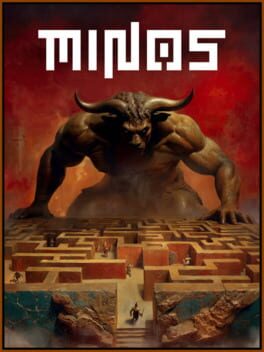
Minos casts the player as a cruel architect of death. Rather than directly confronting foes, the core responsibility is to lay ambushes, manipulate corridors and watch hired mercenaries stumble into creative, gruesome ends. The premise delivers consistent moments of glee when a string of devices — pressure plates, rolling boulders, ballistae and others — combine to devastate an invading party without a single sword being drawn.
Mechanically, Minos is a tower‑defence roguelike. Each run drops the labyrinth into a new configuration, then hands over a budget of resources and a modest toolkit of traps. Kills by environment generate bonuses that fund future purchases and upgrades, so the game incentivises orchestration over straightforward combat. That structure generates satisfying loops: clever placement and timing yield spectacular multi‑kill chain reactions and the sense that planning has paid off.
Design flourishes elevate routine encounters. The AI‑driven mercenaries behave with enough personality that emergent situations feel distinctive: bait can be used to lure a squad into a gauntlet, a siren statue can bait individuals off the safe path, and compact choke points reward careful investment in heavier gear. Visuals and sound underline the atmosphere of a dank, shifting Cretan maze, and the violence is handled with a dark, almost gamified relish that suits the tactical fantasy.
Those highs are matched, however, by recurring lows. The roguelike systems tilt heavily towards cruelty. Labyrinth layouts and enemy placements can create dead‑end scenarios with little recourse, while certain trap interactions and RNG‑driven events produce sudden, run‑ending swings. The payoff from a carefully engineered kill can be erased by an unpredictable twist minutes later, and the degree of randomness often feels punitive rather than challenging.
Balance problems also emerge across progression. Upgrades and meta‑earnings exist, but the short‑term brutality makes steady, satisfying growth difficult to achieve. Some trap types feel indispensable while others rarely earn their cost, which narrows tactical variety in extended play. The learning curve is steep and, at times, opaque: the game rarely softens mistakes or explains marginal mechanics, which exacerbates frustration when runs end quickly and decisively.
Despite its rough edges, Minos remains compelling when it allows players to plan and then sit back to watch the carnage unfold. The best sessions are those in which a clear strategy pays off spectacularly and the labyrinth yields to clever placement and timing. Those moments underline the core idea's strength: tower defence and roguelike design meld well when the systems complement one another.
Verdict: Minos is an inspired, often thrilling experiment in trap‑first combat, but its enjoyment is hampered by harsh RNG and punishing difficulty spikes. The roguelike tower‑defence concept is executed with imagination, yet frequent, unforgiving setbacks make sustained progression a chore rather than a reward. Players who relish trial‑by‑tribulation design and emergent mayhem will find much to love; those who prefer steadier, less arbitrary advancement may grow tired fast.