.png)
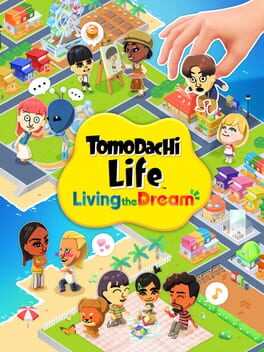
Tomodachi Life: Living The Dream is an open-ended social-simulation experience built around quirky Mii residents, unpredictable events and a sandbox of customisation. The sequel retains the series' trademark humour and randomness, which can feel overwhelming on first play. The following guide sets out core systems and practical tips for getting the most from early hours on the island.
Getting started: populate the island
- Create a varied cast of Miis — Start with a small, diverse set of Miis. Varied looks and personalities produce more interesting interactions and events than a homogeneous group.
- Name and personalise — Invest a little time in nicknames, facial features and signature outfits. Distinctive Miis are easier to track when managing requests, relationships and moods.
- Introduce Miis gradually — Add new residents in batches rather than all at once to keep income and attention manageable while learning systems.
Understand basic stats and needs
- Monitor mood and needs — Residents have emotional states that affect behaviour. Address low mood with gifts, food or activities rather than ignoring problems.
- Fulfil requests promptly — Miis will periodically make requests or drop hints. Fulfilment often leads to rewards, improved relationships and unlocks.
- Balance spending and saving — Early money is finite. Prioritise essentials that improve daily happiness before splashing out on cosmetic items.
Income and progression
- Complete small tasks — Short jobs, mini activities and requests yield cash and can be repeated. Use these steady income sources to fund gifts and upgrades.
- Sell with care — Unwanted items can often be sold for quick funds, but some items may be useful for events or sentimental reasons.
- Prioritise unlock objectives — Certain events, shops or decorative options are unlocked through progression. Focus on triggers that expand options for customization and interactions.
Relationships and social life
- Encourage interactions — Pairings and friendships drive many of the game's funniest moments. Arrange social activities and gift exchanges to nudge relationships along.
- Answer dialogue wisely — Dialogue choices shape outcomes. Keep track of resident preferences and past behaviour when deciding how to respond.
- Expect surprises — Random events and unlikely pairings are part of the charm. Embrace unpredictable developments rather than forcing outcomes.
Customisation and presentation
- Decorate with intent — Rooms, outfits and accessories influence mood and make events more memorable. Focus on a few themed areas rather than spreading resources thinly.
- Rotate wardrobes — Changing outfits refreshes interactions and can unlock new dialogue. Keep a small stock of popular looks for key residents.
- Capture moments — Use any built-in screenshot or photo features to save particularly silly or touching interactions for later amusement.
Practical tips and time-savers
- Save regularly — Save points preserve progress and avoid losing long-term investment in relationships and unlocked items.
- Learn from experimentation — The game rewards curiosity. Test different gift types, pairings and responses to discover favourite outcomes.
- Keep a small emergency fund — A cash buffer prevents being unable to fulfil sudden requests that have outsized benefits.
- Prioritise fun — The title's unpredictable nature is its central appeal. Opt for choices that produce enjoyable or memorable moments rather than purely optimal ones.
Early-game checklist
- Populate the island with 3–6 varied Miis.
- Respond to the first batch of requests to earn starter funds and unlock basic features.
- Decorate one living space and create a simple wardrobe rotation.
- Encourage at least two social pairings to kickstart recurring events.
Tomodachi Life: Living The Dream rewards experimentation and attention to the small, silly interactions that emerge between residents. A measured start, steady income sources and a willingness to embrace randomness turn the early hours from baffling into highly entertaining.
Sponsored