.png)
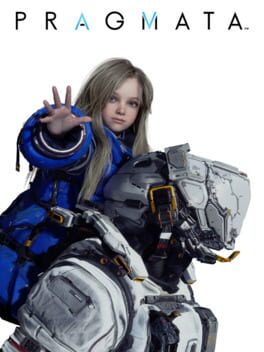
Pragmata is Capcom’s bold new IP that leans into spectacle and subtle emotion in equal measure. Built for the Switch 2, the game marries third-person shooting with environmental puzzles across a striking lunar colony that channels the glossy futurism of recent sci‑fi hits. The end result is a confident, if occasionally uneven, debut that stands out on Nintendo’s new hardware.
The visual presentation is the title’s most immediate triumph. Environments brim with lavish detail, neon accents and layered set-pieces that reward exploration. Director Yonghee Cho’s signature flare for hyper‑stylised design shows through in every frame, from busy urban habs to the quieter, almost lonely stretches of the Moon’s surface. On Switch 2, the package runs with impressive fidelity, retaining texture detail and lighting effects while maintaining consistent performance during the more demanding sequences.
Gameplay hinges on a dual identity: a shooter at its core, but one that constantly punctuates combat with puzzle moments. Encounters rarely reduce to pure firepower; progress often depends on deciphering environmental clues, manipulating machinery or exploiting temporary mechanics introduced in the level. This interplay keeps encounters fresh and encourages a measured approach rather than run‑and‑gun repetition. Weapons feel satisfying, and gadgetry broadens tactical options without being overwhelming.
Combat pacing is deliberate. Larger skirmishes are bookended by quieter exploration and puzzle work, which helps maintain variety but sometimes disrupts momentum. Boss encounters deliver spectacle but can lean on familiar tropes. The strongest mechanical notes arise when the level design forces creative use of movement and tools — those sequences are the game at its most imaginative.
At the heart of Pragmata is a surprisingly tender narrative thread. The story centres on a relationship between the main character and a smaller companion, and this emotional throughline elevates otherwise routine plot beats. Cutscenes and character moments are framed with cinematic ambition, and while the plot does not always cohere perfectly, the emotional beats land more often than not.
Sound design and score support the atmosphere effectively. The soundtrack alternates between sweeping, melodic cues and tense, percussive pulses to match gameplay shifts, while environmental audio adds a tangible sense of place. Voice performances are solid and unobtrusive, allowing the story to breathe without dominating the experience.
Technical polish is strong on Switch 2. Load times are kept to a minimum, texture pop‑in is rare, and control responsiveness suits the game’s blend of precise shooting and puzzle interaction. The title adapts well to the Joy‑Con and Pro Controller, with aim assists and intuitive button mapping ensuring accessibility for a broad audience.
Criticisms are modest but present. Pacing occasionally falters when puzzle segments prevent momentum from building toward combat crescendos. Some puzzle solutions can feel obtuse, prompting backtracking that dilutes forward drive. The narrative, while affecting, could have benefitted from tighter editing in places.
Overall, Pragmata emerges as an ambitious new direction for Capcom on Nintendo hardware. It pairs striking art design and reliable performance on Switch 2 with a gameplay loop that rewards curiosity and patience. The emotional centre provides a thread of sincerity that helps the experience linger after the credits. For players seeking a visually arresting sci‑fi adventure that rewards thoughtful play, Pragmata is a welcome addition to the platform’s early library.
Verdict: A visually sumptuous and mechanically inventive puzzle‑shooter that occasionally stumbles in pacing but succeeds through style and heart.