.png)
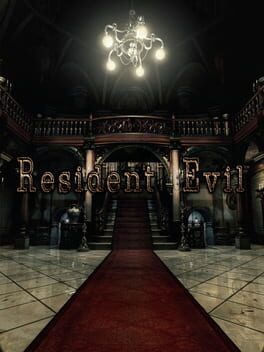
22 March 2026 marked the 30th anniversary of Resident Evil's original Japanese release on PlayStation. The series has grown into a sprawling horror franchise that blends survival mechanics, cinematic set‑pieces and a labyrinthine timeline. Newcomers face a choice between original classics, modern remakes and tonal shifts that have redefined the series over three decades.
Understand the lay of the land
Resident Evil began in 1996 and has since spawned numbered entries, remakes, spin‑offs and cross‑media adaptations. The core series alternates between survival horror and more action‑orientated design. Recent remakes have modernised controls, pacing and presentation while keeping the franchise's identity intact. A simple rule of thumb: play the remakes for accessibility and production values, and seek originals only for historical interest.
Recommended starting routes
1. Classic survival horror (best for scares and atmosphere)
- Resident Evil 2 (Remake, 2019) — A modern remake that captures tension, puzzles and inventory management without archaic controls. Widely regarded as the best single entry for newcomers seeking a pure survival‑horror experience.
- Resident Evil (Remake) — The 2002 GameCube remake (and its later HD ports) restores the series' mansion mystery with updated visuals and tighter design. Plays well as a follow‑up to RE2 or as a first step for those wanting the franchise's roots in a modern package.
- Resident Evil 7: Biohazard (2017) — A tonal reboot in first‑person that returns to confined, eerie spaces and slow‑burn dread. Story links to the wider series are looser, making it an accessible standalone horror experience.
2. Modern action and spectacle
- Resident Evil 4 (Remake, 2023) — A contemporary reworking of the landmark action‑horror entry. Recommended for players who favour fast pacing, upgraded combat and cinematic encounters while retaining horror elements.
- Resident Evil 5 and 6 — Heavily action‑oriented and cooperative by design. Those more interested in set‑piece combat than slow tension will find these approachable, though they diverge from the series' survival roots.
3. Narrative continuity and the old timeline
Players intent on following franchise chronology or lore can pursue the numbered entries in release order, noting that remakes sometimes retell events with significant changes. Key titles for story completeness include Resident Evil 0, Resident Evil, Resident Evil 2, Resident Evil 3, Code: Veronica and the numbered sequels that bridge into later action entries.
4. Slower, episodic scares
- Resident Evil: Revelations and Revelations 2 — Slower paced, episodic instalments originally developed for handhelds then ported to consoles. They balance exploration and narrative and serve as a middle ground between classic survival and modern mechanics.
Remakes versus originals
Remakes are the recommended entry point. Modern control schemes, improved save systems and reworked level design make them far more accessible. Original 1990s titles hold historical importance and unique charm, but their fixed camera angles and tank controls may frustrate new players. Remakes preserve the spirit while offering a contemporary experience.
Practical advice for first‑timers
- Approach the series by taste rather than strict chronology: horror‑first, action‑first or lore‑first are all valid routes.
- Expect shifting tones. The franchise moves between claustrophobic survival horror and explosive action across different entries.
- Difficulty settings, save systems and modernised checkpoints on remakes reduce the steepness of the learning curve.
The bottom line
Resident Evil's longevity owes much to its ability to reinvent itself while keeping a consistent core of dread and discovery. For most newcomers, Resident Evil 2 (Remake) or the Resident Evil (Remake) provide the clearest, most satisfying introduction. Players seeking something different should try Resident Evil 7 for first‑person horror or Resident Evil 4 (Remake) for action‑forward design. Those intent on the full saga can explore the older entries and spin‑offs, accepting that the tone and mechanics vary dramatically from one game to the next.
Capcom's remakes ensure that the series' essential experience remains available to a modern audience while the catalogue offers deep dives for fans of lore and legacy. The 30th anniversary is an appropriate moment for newcomers to pick a path and enter the world of survival horror on their own terms.