.png)
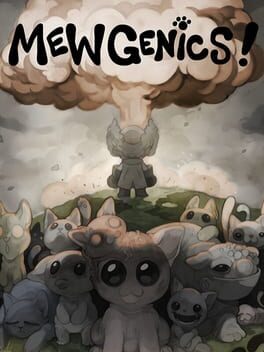
Edmund McMillen has defended the decision to populate the new cat‑breeding roguelike Mewgenics with meows performed by a wide and sometimes ideologically opposed group of internet personalities.
The game, developed alongside Tyler Glaiel, launched earlier this week to broadly positive reviews and early commercial success. Attention quickly concentrated, however, on the credits' unusual cast list: a roll call of online figures who provided the many feline vocalisations heard during play.
In an interview with Rock Paper Shotgun, McMillen described the inclusion of people with "clashing ideologies" as intentional. The choice was framed as an attempt to capture the chaotic, heterogeneous character of the internet rather than as an endorsement of any individual's views. McMillen and Glaiel reportedly curated the list with the aim of representing a broad cross‑section of voices that inhabit online spaces.
Reaction among players has been mixed. Some praised the move as a clever, tongue‑in‑cheek piece of casting that adds character and a meta layer to the game's aesthetic, while others expressed discomfort at seeing contentious names in the credits, even when their contributions are limited to meows.
The developers' approach underlines a recurring tension in modern indie releases: creative decisions that intersect with real‑world personalities often invite scrutiny beyond traditional design critique. McMillen's comments position Mewgenics' cameo roster as a deliberate artistic choice intended to mirror the messy diversity of the communities that surround games and streaming culture.
Despite the debate, early coverage and player response have emphasised Mewgenics' core systems and charm, with the cameo conversation forming only one facet of the game's broader reception.