.png)
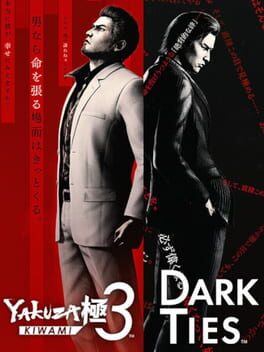
Yakuza Kiwami 3 & Dark Ties is a faithful remake of the 2009 PS3 original that returns Kazuma Kiryu to centre stage and relocates the action to Downtown Ryukyu in Okinawa. The change of scenery injects a fresh, tropical flavour into the series’ street-level melodrama, and the environmental detail typical of RGG Studios remains a highlight. The result is a game that still entertains, but one that feels uneven and overextended at a point when the developer’s output invites questions about quality control.
Presentation and performance
The Okinawa setting is attractive, trading Kamurocho’s neon grit for sunlit promenades, resort complexes and beachfront locales. Textures, character models and small environmental touches showcase the remake’s visual care, and many set-pieces benefit from the location shift. However, the technical package on Switch 2 is inconsistent. Lighting artefacts and odd shadow transitions that surfaced in early demos persist in places, producing jarring moments in otherwise well-realised scenes. Frame-rate stability is generally acceptable during exploration and combat, but dips occur in crowded moments and during certain cutscenes. Pop-in and occasional texture streaming remain noticeable.
Combat, systems and content
The core brawler combat retains the tactile feel that defines the franchise. Melee encounters are satisfying when the systems click, with weapon play and special attacks delivering visceral payoff. The new Dark Ties content adds to the mechanical variety but does not fundamentally alter the series’ established loop. As ever, the game is heavy on side activities: mini-games, substories and diversions are present in abundance and will occupy many hours beyond the main plot.
That breadth is a double-edged sword. The abundance of optional content pads overall playtime but contributes to a campaign that feels bloated and poorly paced at points. Narrative momentum is diluted by frequent detours, and dramatic beats sometimes lose impact beneath the weight of peripheral distractions. The remake’s structure would have benefited from tighter curation and a clearer sense of narrative economy.
Voice work and controversy
The release has been marred by controversy over the recasting of a key character. The change in voice direction is immediately apparent and undermines certain emotional beats; the new performance sometimes feels at odds with established characterisation. For a series that often leans on strong voice acting to sell its melodrama, the recast is a conspicuous misstep that colours the experience for long-term followers.
Series fatigue and RGG’s output
RGG Studios has built a prolific catalogue of titles in short succession. That productivity has delivered many strong entries, but here it shows signs of strain. Kiwami 3 & Dark Ties entertains in fits and starts, yet the seams are visible: pacing problems, lingering technical roughness and questionable casting decisions suggest that the studio’s release cadence may be affecting polish. A brief pause to consolidate quality would likely benefit future projects and restore the focused craftsmanship fans expect.
Verdict
Yakuza Kiwami 3 & Dark Ties remains recognisably Yakuza: satisfying combat, an eye-catching new locale and an abundance of side content. The remake’s pleasures are tempered by persistent technical quirks, an uneasy narrative rhythm caused by bloat, and the distracting impact of a controversial recast. Longstanding series devotees will find enough here to engage with, but the package falls short of the refinement seen in the franchise’s best entries. The release works as a competent addition to Kiryu’s saga, but it underlines the need for RGG Studios to slow down and prioritise polish over pace.