.png)
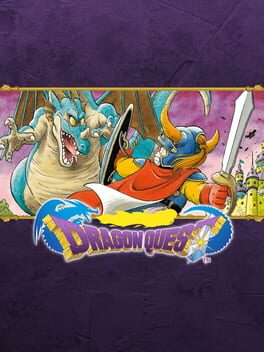
2026 marks the 40th anniversary of the Dragon Quest series, a milestone that arrives as Square Enix reintroduces one of its most ambitious entries. Dragon Quest VII: Reimagined relocates the sprawling PlayStation-era epic to Nintendo Switch hardware, presenting a pared-back, modernised version of a game long regarded as one of the franchise's largest time investments.
Scope and intent
The original Dragon Quest VII earned a reputation for length and breadth, with completion times often exceeding 100 hours. The 3DS release trimmed some of that runtime, and the Reimagined version goes further still. Developers describe the changes as a necessary reworking of scenario and structure to better fit contemporary expectations while retaining the series' defining traits: cosy atmosphere, warm character beats, tongue-in-cheek humour and Akira Toriyama's iconic art direction.
Streamlining has involved tightening event flows, pruning or consolidating segments that previously slowed the pace, and introducing quality-of-life adjustments aimed at modern RPG audiences. The result is a leaner experience that preserves core story arcs and character moments without the same level of repetition that characterised earlier releases.
Balancing modern accessibility with legacy appeal
Reaction to the reimagining has been mixed but broadly constructive. Long-term fans have voiced concern that cuts could dilute the sense of scale that originally defined Dragon Quest VII, while newcomers and players who found the original daunting have welcomed a more approachable entry point. Square Enix has framed the project as an exercise in balance: safeguarding the soul of the game while removing barriers that might prevent newer players from seeing it through.
As one developer observed in coverage of the release, "I hope that, through developing this title, I too have grown." The sentiment underscores an internal aim to evolve design practices alongside a franchise that has long prized tradition.
Preservation where it matters
Despite streamlining, the reimagined title retains many signature elements that define Dragon Quest for veteran players. Visuals remain faithful to the franchise's aesthetic, narrative beats are preserved in spirit, and the tone — part cosy RPG, part light-hearted adventure — remains intact. The project positions itself as both a respectful update and a practical reworking, designed so that the series can welcome a new generation without alienating those with longstanding affection for the original.
Context and consequence
The release arrives at a peak moment for the brand: a 40th anniversary year that promises several high-profile Dragon Quest projects. Dragon Quest VII: Reimagined serves as a test case for how Square Enix approaches legacy titles going forward — showing that modifications and streamlining can coexist with reverence for source material, provided the changes are guided by a clear design philosophy.
The reimagining does not seek to erase the original but rather to offer an alternative experience calibrated for contemporary platforms and player expectations. For many, it represents a way to experience a celebrated story without the commitment once required; for others, it is a fresh take that honours the franchise while signalling a willingness to adapt.
Availability on Nintendo Switch platforms positions the title for broad exposure among both handheld and hybrid audiences, ensuring that Dragon Quest VII's reimagined journey can reach players who missed its earlier incarnations as well as those approaching the series for the first time.
As the franchise embarks on its 40th year, Dragon Quest VII: Reimagined exemplifies a careful recalibration of classic content: trimmed where needed, preserved where it counts, and presented with an eye toward keeping the series relevant without losing its soul.