.png)
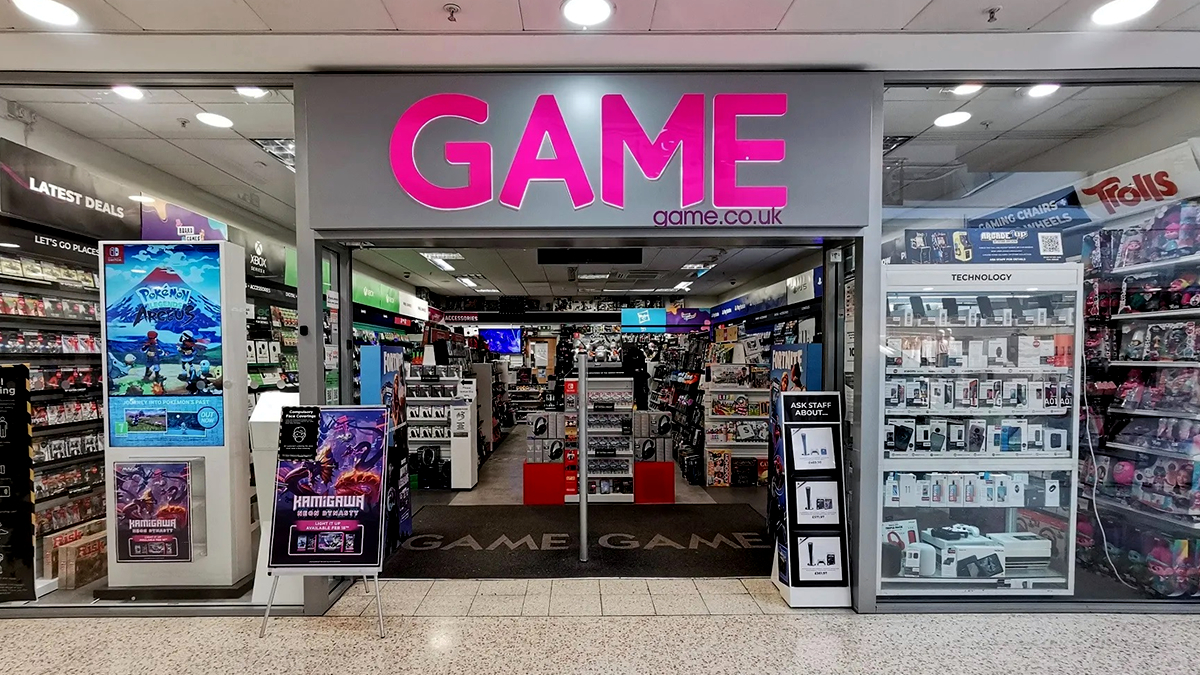

GAME set to close remaining standalone stores as managing director to depart after nearly nine years
GAME, the UK high‑street video‑games retailer, is reported to be preparing to close its remaining standalone stores, amid fresh senior‑management change. The company's managing director is understood to be leaving after almost nine years in the role. Details of the store closures and the departure timetable have not been confirmed by the business at the time of publication.
The move would mark another major shift for a retailer that has for decades had a prominent physical presence on the UK high street. GAME has previously reduced its store estate and restructured in response to rising digital sales, intense online competition and changing consumer behaviour.
What is known and what is unconfirmed
- Confirmed: Reports indicate the managing director will depart after nearly nine years. The company has not published a formal statement confirming the identity of the departing executive or an exact date of departure.
- Unconfirmed: Specifics about which stores will close, the number of affected staff and a precise timetable for closures have not been officially released. Media reports describing a full exit from standalone retail sites are as yet unverified by the retailer.
Why GAME may be taking this step
Retailers in the video‑games sector have been under prolonged pressure from several structural trends: a shift toward digital downloads and platform marketplaces, strong competition from global online retailers, and rising operating costs for physical stores. Closing stores is a way to reduce fixed costs linked to rent, rates and staffing while preserving brand, web operations and other revenue streams.
What could happen next to GAME UK
- Pivot to online‑only retail: The company could retain the GAME brand as an e‑commerce operation, focusing investment on its website and logistics while winding down physical stores. This would preserve the brand and customer databases but likely lead to store redundancies.
- Sale of the business or brand: The retailer could be marketed for sale as a going concern or its brand and online operations sold separately. Potential buyers might include other specialist retailers, private equity or larger retail groups seeking to acquire an established gaming customer base.
- Restructuring via a company voluntary arrangement (CVA): GAME might seek to renegotiate leases and creditor terms to remain solvent while reducing costs. A CVA can enable a business to close loss‑making stores while continuing to trade elsewhere.
- Administration and asset sale: If the company cannot reach agreements with creditors, it could enter administration. Administrators may sell the brand, online platform, stock or profitable concessions to third parties. In some scenarios, physical store closures would be accelerated.
- Conversion of outlets to concessions or franchise model: Some locations could be converted into concessions within larger department stores or supermarket chains, or be run under a franchise/licence model to reduce the retailer's direct operating costs.
- Liquidation: In the worst case, the business could be wound down and assets sold to repay creditors, with the brand acquired separately or retired.
Implications for staff, customers and suppliers
- Employees: Store closures would likely lead to job losses or consultations on redundancy. If the business enters a formal insolvency process, staff claims for unpaid wages, holiday pay and redundancy may be handled under statutory insolvency priorities and the Redundancy Payments Service.
- Customers: Those with pre‑orders, outstanding repairs or warranties should monitor official communications closely. Where a business continues under new ownership, guarantees and pre‑orders are sometimes honoured; in administration, consumer remedies can be more limited. Cardholders who paid by credit card may have protection under Section 75 for purchases over £100, and customers can seek chargebacks via their bank for other card payments.
- Gift cards and trade‑in credit: These can be at risk in insolvency situations. If the business continues in some form or the brand is bought, gift cards and in‑store credit may be honoured, but there is no guarantee. Customers with significant balances should prioritise using them where possible and check terms and official announcements.
- Suppliers and landlords: Suppliers may face late payments or write‑offs depending on the chosen insolvency or restructuring route. Landlords could be left with vacant premises but may also negotiate settlements or seek new tenants if stores close.
Practical steps for customers and staff
- Watch for an official statement from GAME and regulatory filings indicating administration or a CVA.
- Customers with pre‑orders, repairs or gift cards should save receipts, take screenshots of transaction confirmations and contact GAME customer services for guidance.
- Staff should seek formal consultation documents and consider early advice from trade unions or employment advisers regarding redundancy rights and timelines.
- If purchases were made on a credit card over £100, customers should check Section 75 protections and contact their card issuer if necessary.
What to watch next
Key developments to monitor include an official announcement from GAME, notices filed at Companies House, any insolvency practitioner appointments, and statements from landlords or potential buyers. These will clarify whether the business is moving to an online‑only model, seeking a buyer, entering a restructuring process or facing administration.
At present, several reported elements remain unconfirmed. Observers and affected parties are advised to rely on official communications from the company and, where appropriate, seek independent legal or financial advice.