
Overview
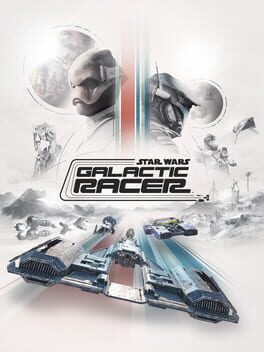
Since the debut of the original Star Wars Episode I: Racer in 1999, the galaxy’s most iconic podracing machines have been a recurring, if sometimes intermittent, presence in the video‑game marketplace. The franchise’s ability to translate the high‑octane thrill of space‑bound speed into a console‑friendly arcade experience has made it a touchstone for both casual fans and hardcore racers. In this lineage, Fuse Games, a UK‑based studio with a pedigree for delivering polished licensed titles, entered the arena earlier this year with Star Wars: Galactic Racer, a modern reinterpretation that promised to blend the franchise’s cinematic flair with contemporary racing mechanics. The launch arrived at a moment when the broader racing genre is undergoing a renaissance, driven by the resurgence of cloud‑based multiplayer ecosystems and the appetite for live‑service content that keeps titles fresh long after the initial purchase.
Despite its polished visuals and faithful recreation of beloved starships, the initial release was met with a chorus of constructive criticism from the community. Players highlighted the absence of robust multiplayer lobbies, limited ship customisation options, and a lack of structured competitive modes that could sustain long‑term engagement. In an industry where titles such as Forza Horizon and Gran Turismo have set high standards for post‑launch content pipelines, the gaps felt particularly stark. Yet the very same shortcomings have also ignited a fervent dialogue among fans, who see the game’s solid foundation as a springboard for a more expansive, community‑driven experience. This tension between expectation and execution has set the stage for Fuse Games’ latest announcement, positioning Galactic Racer at a crossroads that could define its legacy within the Star Wars gaming portfolio.
What Happened?
During a recent developer livestream, Fuse Games confirmed that two highly requested gameplay modes are now officially in development. The first, colloquially dubbed “Biddies,” will allow players to form ad‑hoc squads that race together in a cooperative format, sharing power‑ups and strategic positioning in real time. The second addition is a structured “League” system, which will introduce seasonal leaderboards, tiered rewards, and a progression ladder that mirrors the competitive frameworks seen in contemporary esports titles. Both modes are being built on the same engine that powers the base game, ensuring seamless integration and preserving the visual fidelity that fans have praised.
Accompanying the feature reveal, the studio’s lead producer emphasized a commitment to “live‑service stewardship,” noting that the upcoming updates will roll out as part of a broader roadmap that includes regular balance patches, community‑driven events, and expanded ship customisation pathways. While exact release windows remain fluid, the team indicated that the first of these modes should be playable before the end of the calendar year, with subsequent refinements and additional content slated for quarterly updates. The announcement also hinted at deeper collaboration with Lucasfilm Games, suggesting that narrative tie‑ins and exclusive cosmetic items could accompany the competitive modes, thereby weaving the new features into the broader Star Wars mythos.
Analysis
The decision to augment Galactic Racer with competitive league structures and cooperative squad play reflects a broader industry trend toward sustained player retention through live content. In the current console ecosystem, titles that fail to evolve beyond launch risk rapid attrition, especially when competing against heavyweight franchises that regularly deliver seasonal passes and battle passes. By introducing a league system, Fuse Games not only aligns Galactic Racer with the monetisation models that have proven profitable for titles like Rocket League but also leverages the Star Wars brand to attract a niche yet passionate segment of the market that craves both narrative depth and competitive rigor. The technical challenge lies in balancing the high‑speed physics engine with the latency‑sensitive demands of online multiplayer—a hurdle that many arcade racers have historically struggled to overcome.
From a publisher perspective, Disney’s strategic push to rejuvenate its interactive portfolio through more frequent content updates dovetails neatly with Fuse’s roadmap. Should the new modes achieve robust adoption, they could serve as a proof‑point for Disney’s broader ambitions to treat its licensed games as living services rather than one‑off experiences. Moreover, the addition of cross‑platform play—rumoured but not yet confirmed—could broaden the title’s reach across Xbox, PlayStation, and PC ecosystems, positioning Galactic Racer as a unifying rally point for Star Wars fans regardless of hardware allegiance. This cross‑play potential, if realised, would also mitigate the fragmentation that has hampered previous racing titles, fostering a more vibrant, globally connected community.
XPLog Opinion
At XPLog UK, we view Fuse Games’ renewed focus on Galactic Racer as a decisive statement that the studio recognises the long‑term value of nurturing a live‑service ecosystem around a beloved IP. The forthcoming modes address the core criticisms that have muted the game’s momentum, and they do so in a way that could transform a solid arcade racer into a competitive staple for Star Wars enthusiasts. While the success of this pivot will hinge on execution—particularly the stability of online matchmaking and the balance of reward structures—the strategic alignment with Disney’s content‑first philosophy positions the title to capitalize on a growing appetite for franchise‑centric, multiplayer‑driven experiences.
Final Thoughts
In sum, the upcoming Biddies and League updates promise to breathe new life into Star Wars: Galactic Racer, converting early‑stage enthusiasm into sustained engagement that could reverberate across the wider racing genre. Players should keep an eye on Fuse Games’ official channels for the first beta rollout, expected before year‑end, and anticipate a cadence of quarterly patches that will shape the game’s competitive landscape. If the studio can deliver a stable, feature‑rich experience, Galactic Racer may well become the benchmark for how legacy franchises can successfully transition into the live‑service era.