
Overview
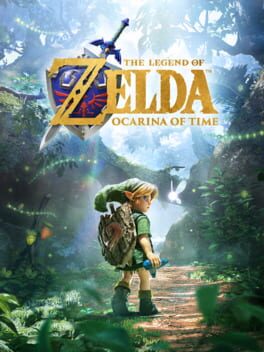
The launch of The Legend of Zelda: Ocarina of Time on the Nintendo Switch this week was billed as a historic moment for the franchise, and for good reason: initial shipments recorded the second‑largest physical debut ever for a Zelda title in the United Kingdom, eclipsing even the celebrated releases of Breath of the Wild and Skyward Sword. This surge was fueled by a confluence of nostalgia‑driven pre‑orders, a robust collector‑s edition push, and a carefully timed marketing blitz that coincided with the anniversary of the original 1998 classic, reminding long‑time fans that the series remains a cultural touchstone in the gaming pantheon.
Yet the UK market in 2026 is no longer a monolithic arena of console‑exclusive loyalty; it has become a battleground where sports simulations, live‑service shooters, and family‑friendly racers vie for the same retail shelf space. EA Sports' latest entry, FC 27, entered the fray backed by a global partnership network, cross‑platform availability, and a relentless cadence of seasonal updates that keep the title perpetually fresh. The convergence of these forces set the stage for an unexpected chart reshuffle, one that reflects broader consumer trends toward weekly engagement cycles rather than single‑event launches.
What Happened?
According to the most recent UK sales data released by the Official Charts Company, Ocarina of Time slipped from its inaugural number‑one position to second place within a single week, ceding the summit to EA Sports FC 27. The sports title not only captured the top spot but did so with a margin that outstripped the combined physical sales of the next two entries, underscoring a shift in purchasing power toward titles that promise ongoing content. Meanwhile, Activision’s Call of Duty: Modern Warfare 4 fell to third, indicating that even heavyweight franchises are feeling the pressure of a more diversified spend‑pattern among UK gamers.
Industry spokespeople from Nintendo and EA offered contrasting narratives. Nintendo highlighted the “record‑breaking launch window” for Ocarina of Time, emphasizing the title’s role in driving Switch hardware sales and reinforcing the console’s relevance in a post‑genesis market. EA, on the other hand, framed the achievement as proof of the “ever‑expanding global community” that FC 27 nurtures through its live‑service model, pointing to the title’s integration with next‑gen console ecosystems and its burgeoning esports pipeline. Analysts from GfK suggested that the chart turnover is less about a failure of the Zelda brand and more about the velocity of revenue streams that subscription‑based sports games now command.
Analysis
The chart dynamics reveal a fundamental recalibration in how UK gamers allocate discretionary spend. Physical copies of legacy titles like Ocarina of Time still command a premium among collectors, yet the bulk of weekly revenue is being siphoned by games that deliver continuous updates, micro‑transactions, and competitive ladders. This pattern mirrors the broader industry pivot toward “games as a service” (GaaS) models, which have proven resilient against macro‑economic headwinds by generating recurring cash flow. Moreover, the success of FC 27 illustrates the potency of cross‑platform parity; its availability on PlayStation, Xbox, PC, and Switch erodes the traditional console silos that once protected exclusive titles from direct competition.
From a strategic standpoint, Nintendo faces a dual‑edged sword. While the Switch continues to dominate the casual and family segment, its reliance on a relatively shallow pipeline of first‑party releases makes it vulnerable to the relentless churn of GaaS juggernauts. The Ocarina launch proved that Nintendo can still marshal massive spikes, but sustaining that momentum will likely require deeper integration of live‑service elements or stronger partnerships that can keep players engaged beyond the initial purchase window. Conversely, EA’s triumph reinforces the viability of annual sports releases as a cornerstone of its revenue architecture, especially as the company expands its data‑driven matchmaking and AI‑enhanced commentary features that differentiate each iteration.
XPLog Opinion
At XPLog UK we see the Ocarina slip not as a blemish on Nintendo’s record but as a symptom of an industry that rewards continual engagement over one‑off nostalgia. The takeaway for developers is clear: even the most beloved IPs must evolve to meet the expectations of a marketplace that prizes regular content drops, community tools, and cross‑platform accessibility. Nintendo’s next strategic move—whether it be a robust post‑launch service plan for Ocarina or a fresh, multiplayer‑centric offering—will determine if the Switch can retain its cultural cachet in the face of EA’s relentless GaaS engine.
Final Thoughts
As the UK charts settle for another week, the narrative that emerges is one of convergence: legacy franchises can still command headline attention, yet the sustained dominance belongs to titles that embed themselves into players’ weekly routines. Observers should keep a close eye on the upcoming Nintendo Direct slated for early December, where we expect hints of a post‑launch ecosystem for Ocarina of Time, as well as EA’s roadmap for FC 28, which promises deeper integration with streaming platforms. The battle for the top spot is far from over, but the forces shaping it are now unmistakably service‑driven and cross‑platform.