
Overview
The Nintendo DS, launched in 2004, ushered in a generation of dual‑screen, touch‑centric gaming that defined a decade of portable play. While its library boasts over 1,800 titles ranging from tactical RPGs to quirky party games, the handheld has largely been left to the dust of nostalgia, with Nintendo’s official services offering only limited access through the Switch Online expansion. In recent years, the retro‑hardware market has exploded, driven by collectors yearning for authentic experiences and developers eager to tap into a proven catalogue without the constraints of modern licensing. Yet Nintendo has remained reticent to provide a full‑fledged DS streaming solution, leaving a conspicuous gap in its ecosystem that fans and indie innovators have been itching to fill.
Enter the DualStation, a community‑driven engineering marvel assembled by modder KOUZEX. By grafting a stock DS motherboard onto a custom PCB and integrating a suite of contemporary components—HDMI output, Bluetooth radio, and a universal touch interface—the project transforms the iconic clamshell into a bona‑fide home console. The result is a device that preserves the original hardware’s quirks while projecting a crisp 60 Hz signal to modern televisions, effectively bridging a 15‑year technological chasm. This achievement not only showcases the ingenuity of the modding scene but also raises profound questions about the future of legacy platforms in an era dominated by cloud gaming and subscription services.
What Happened?
KOUZEX’s DualStation leverages the DS’s native CPU and GPU, retaining full compatibility with every cartridge ever released for the system. The build replaces the handheld’s proprietary LCD output with a high‑speed HDMI converter, enabling a stable 1080p signal at 60 Hz—a notable improvement over the DS’s original 60 Hz but low‑resolution display. To address the loss of the built‑in touchscreen, the mod incorporates a flexible input layer that accepts any peripheral capable of emulating mouse or stylus input: Joy‑Cons, standard Bluetooth controllers, drawing tablets, and even a regular computer mouse. A built‑in microphone mirrors the DS’s voice‑chat capabilities, while a micro‑USB port provides power and firmware updates, ensuring the console can evolve alongside community‑driven patches.
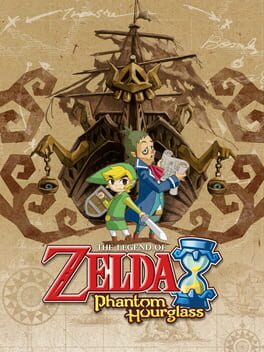
The announcement was accompanied by a video demonstration that highlighted seamless cartridge swapping, low‑latency controller response, and the ability to run classic titles such as "The Legend of Zelda: Phantom Hourglass" and "Mario Kart DS" on a living‑room screen without any emulation layer. KOUZEX emphasized that the project is strictly a hardware hack, not a software piracy tool, and that all cartridges used must be legally owned. The mod’s open‑source firmware is hosted on a public repository, inviting further enhancements like Wi‑Fi adapters for online play and custom UI overlays that mimic the original DS boot sequence. By offering a tangible, plug‑and‑play solution, the DualStation sidesteps the legal grey‑area that has hampered many fan‑made emulators.
Analysis
From a market perspective, the DualStation could act as a catalyst for a new wave of niche retro hardware that leverages original silicon rather than pure software emulation. The recent success of Analogue’s Pocket and Super‑Ntendo’s RetroN series demonstrates a consumer appetite for authentic feel combined with modern convenience. By delivering HDMI output and Bluetooth support, the DualStation directly addresses the pain points that have limited the DS’s presence in the current retro market: low‑resolution screens and lack of wireless input. Should the mod gain traction, it may force Nintendo to reconsider its own strategy, potentially accelerating a more robust DS streaming service or even a dedicated “DS Classic” mini‑console that could compete with Sony’s PlayStation Classic and Microsoft’s Xbox Series S retro bundles.
Technical hurdles remain, however. The DS’s hardware was never designed for sustained HDMI output, meaning heat dissipation and power stability are ongoing concerns that could affect long‑term reliability. Moreover, the reliance on physical cartridges limits scalability; a digital distribution model would be far more attractive to mainstream gamers but would require Nintendo’s cooperation. Competitors in the handheld revival space—such as the Evercade and the upcoming Intellivision Amico—are watching closely, as a successful DS‑to‑TV conversion could inspire similar projects for other beloved platforms, further fragmenting the retro market but also expanding its overall size.
XPLog Opinion
At XPLog UK we view the DualStation as a bold statement that the community will not wait for corporate gatekeepers to unlock the full potential of legacy libraries. This mod underscores a growing demand for authentic hardware experiences that can coexist with modern living‑room setups, and it challenges Nintendo to either embrace a more open retro strategy or risk ceding control of its own heritage to grassroots innovators. While the DualStation will likely remain a niche product due to its DIY nature, its existence alone forces a strategic dialogue about how publishers monetize and preserve their back‑catalogues in an increasingly subscription‑driven landscape.
Final Thoughts
The DualStation is more than a clever hack; it is a tangible proof‑of‑concept that legacy handhelds can be reborn as home consoles without sacrificing the tactile authenticity that makes them beloved. As the mod gains visibility, we anticipate follow‑up iterations that will refine power management, introduce Wi‑Fi connectivity, and perhaps even integrate a legal digital storefront. For enthusiasts, the next key dates to watch are the upcoming firmware release slated for early 2027 and the potential ripple effects on Nintendo’s own retro‑hardware roadmap. Whether the DualStation becomes a collector’s curiosity or a harbinger of a new retro console paradigm, its impact on the conversation around preservation and accessibility will be felt for years to come.