
Overview
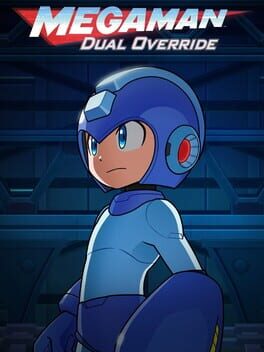
Capcom has long leaned on the nostalgic weight of the Mega Man franchise to anchor its presence in the crowded action‑platform market, and the latest chapter – Mega Man: Dual Override – is no exception. By weaving a fan‑centric design contest into the launch strategy, the publisher is tapping into a broader industry shift where studios leverage user‑generated concepts to extend brand relevance, a tactic that has matured from early mod‑friendly titles to today’s high‑visibility collaborations on consoles and live‑service platforms.
Dual Override arrives at a moment when the Nintendo Switch ecosystem is solidifying its position as a hub for both legacy franchises and experimental indie ventures. The timing of the contest aligns with Capcom’s renewed focus on post‑launch content pipelines, mirroring the studio’s recent success with seasonal updates for Resident Evil Village and the cross‑play ambitions of Monster Hunter Rise. In this climate, a community‑chosen Robot Master does more than add a fresh boss – it becomes a litmus test for how traditional publishers can sustain engagement without diluting core gameplay identity.
What Happened?
In a polished reveal video hosted by series director Shinya Ikuta and producer Hiroyuki Minamitani, Capcom walked viewers through six meticulously crafted Robot Master concepts submitted by fans worldwide. Each entry was evaluated on aesthetic originality, thematic resonance with the Mega Man universe, and the feasibility of translating a 2D sketch into the game’s 3D engine. The presenters highlighted the iterative feedback loop between the community and the development team, emphasizing how internal designers refined the top concepts to meet technical constraints while preserving the creators’ vision.
The climax of the broadcast unveiled the triumphant design: Cleanser Man, a sanitation‑themed adversary wielding corrosive spray attacks and a sleek, chrome‑finished chassis. Capcom confirmed that Cleanser Man will debut as a fully realized boss in an upcoming post‑launch update, complete with a bespoke stage, unique weapon drop, and a dedicated lore entry that weaves the character into the Dual Override narrative tapestry. Early fan reaction on social platforms has been overwhelmingly positive, with many praising the contest’s transparency and the fresh thematic direction Cleanser Man introduces.
Analysis
The decision to embed a fan‑designed Robot Master into Dual Override is a strategic move that could reverberate across Capcom’s broader portfolio. By granting the community a tangible stake in the product roadmap, the studio not only cultivates goodwill but also generates organic marketing momentum that traditional advertising struggles to match. Comparable initiatives, such as Nintendo’s Super Mario Maker tournaments and Epic Games’ Fortnite Creative showcases, have demonstrated measurable spikes in player retention and in‑game spend when community creations receive official endorsement.
From a technical perspective, integrating Cleanser Man presents a suite of challenges that Capcom must navigate carefully. The character’s spray‑based mechanics require nuanced hit‑box calibration to avoid frustration, especially given Dual Override’s emphasis on precise platforming. Moreover, balancing the boss’s difficulty across the Switch’s diverse hardware configurations – from handheld mode to docked performance – will test the studio’s optimization pipelines. Successful execution could set a precedent for future DLCs, encouraging a modular approach where fan concepts are iteratively polished and released as part of a living‑service model.
XPLog Opinion
At XPLog we view the Cleanser Man rollout as a bold affirmation that legacy franchises can evolve without abandoning their core identity. Capcom’s willingness to cede creative authority to its most vocal fans signals a maturation in how publishers view community input – no longer a peripheral perk but a central pillar of product development. However, the studio must guard against turning every fan idea into a commercial obligation; the curation process should remain rigorous to ensure that only concepts that enhance gameplay and narrative coherence see the light of day.
Final Thoughts
Cleanser Man’s impending arrival in Mega Man: Dual Override underscores a pivotal moment where community collaboration and corporate stewardship intersect, offering a template for future titles seeking to harness fan enthusiasm responsibly. Players should keep an eye on Capcom’s official channels for the exact update window, expected in Q1 2027, and watch for any follow‑up contests that may further expand the robot master roster, cementing Dual Override as a living showcase of the franchise’s adaptive potential.