
Overview
The Box Art Brawl series, revived by NintendoLife and embraced by the wider retro‑gaming community, has become more than a light‑hearted poll; it is a barometer of how visual identity shapes the commercial life of legacy franchises. By juxtaposing every regional and chronological cover ever printed for titles such as Dr. Mario and Puzzle League, the exercise forces both collectors and marketers to confront the evolving aesthetic language that Nintendo has employed since the early 1990s, when the original 8‑bit cartridges first bore hand‑drawn sprites on glossy cardboard.
In an era where digital storefronts dominate sales charts, the physical sleeve remains a potent touchpoint for nostalgia‑driven revenue. The recent surge in ‘classic’ re‑releases on the Switch and the announced Switch 2 has reignited interest in how a simple rectangle of paper can influence purchasing decisions, secondary‑market values, and even the perception of a brand’s relevance among younger audiences. This backdrop makes the current poll—pitting decades of Dr. Mario and Puzzle League artwork against each other—a micro‑cosm of a larger industry conversation about heritage, collector psychology, and the monetisation of memory.
What Happened?
The latest Box Art Brawl asked fans to vote for the most iconic cover among every incarnation of Dr. Mario and its puzzle‑sibling Puzzle League, spanning from the original 1990 NES releases through the most recent Switch 2 launch edition. The poll, hosted on NintendoLife’s community platform, attracted over 12 000 votes within a week, and the data revealed a clear, if unsurprising, tilt toward the newest Switch 2 artwork, which captured 31 percent of the total vote share.
While the Switch 2 design led the pack, the runner‑up positions were occupied by the 1996 Nintendo 64 ‘Mushroom Kingdom’ variant of Dr. Mario and the 2008 WiiWare Puzzle League thumbnail, each securing roughly a quarter of the remaining votes. Commentators noted that the modern minimalist aesthetic—featuring a crisp, high‑resolution portrait of the titular doctor against a clean red backdrop—resonated with both long‑time fans and newcomers, yet the poll also sparked a lively debate about recency bias versus the timeless charm of the pixel‑art‑laden covers that defined the 90s era.
Analysis
The outcome underscores a strategic shift within Nintendo’s publishing pipeline: contemporary packaging is being leveraged as a marketing hook to differentiate a flood of retro ports in a crowded digital shelf. By refreshing box art for each new hardware generation, Nintendo not only revitalises the visual cachet of legacy IPs but also creates a cascade of limited‑edition physical runs that feed the collector market, a segment that has proven resilient even as overall physical sales decline.
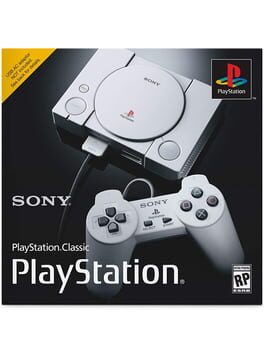
From a competitive standpoint, Nintendo’s emphasis on eye‑catching covers puts pressure on rivals such as Sony and Microsoft, whose own retro collections—PlayStation Classic and Xbox Game Pass retro bundles—have largely opted for uniform, low‑cost packaging. The divergent approaches may signal a broader divergence in how console ecosystems value heritage: Nintendo continues to weaponise nostalgia as a core revenue pillar, whereas its competitors lean more heavily on subscription‑based access, potentially reshaping the economics of retro game monetisation over the next five years.
XPLog Opinion
At XPLog UK we see the Box Art Brawl as a litmus test for the health of Nintendo’s brand equity; the fact that a simple visual poll can generate thousands of engaged responses indicates that the company’s legacy franchises still command emotional capital that can be monetised through both physical and digital channels. Our view is that Nintendo should double down on bespoke artwork for each hardware iteration, perhaps even commissioning limited‑run artist collaborations, to keep the collector impulse alive and to differentiate its catalog in an increasingly homogenised market.
Final Thoughts
Looking ahead, the next Box Art Brawl is slated for the upcoming launch window of the Switch 2’s flagship titles later this year, and analysts will be watching to see whether the momentum of the current poll translates into higher sell‑through of physical editions. For players and collectors alike, the evolving dialogue around Dr. Mario and Puzzle League cover art serves as a reminder that, in the world of games, aesthetics remain a powerful driver of both sentiment and sales—a trend that is unlikely to fade as the industry moves deeper into the era of streaming and subscription services.