
Overview
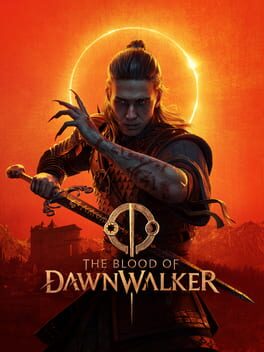
The Blood of Dawnwalker arrived on the indie scene with a bold premise: thirty in‑game days to rescue a family caught in a mythic catastrophe, a mechanic that fused roguelike urgency with narrative depth. Its developers, a modest studio that rose from the shadows of the 2019 indie renaissance, leveraged this ticking clock to create a pressure‑cooked experience that resonated with players craving consequence‑driven storytelling. While the title’s launch was modest in sales, it quickly cultivated a dedicated community that praised its atmospheric world‑building, hand‑crafted combat, and the bittersweet inevitability of failure that the timer imposed.
In the broader market, 2024 has seen a surge of post‑launch content strategies aimed at extending the lifespan of single‑player experiences, from seasonal updates to expansive DLCs. Yet few developers have dared to revisit the very core design of a game that hinges on a finite timeline. The announcement of a New Game+ mode in the upcoming 1.2 patch therefore arrives at a crossroads: it challenges the original design philosophy while aligning with the industry’s push toward longevity, replayability, and sustained revenue streams through live‑service‑style support.
What Happened?
Next week, the studio will roll out version 1.2 of The Blood of Dawnwalker, introducing a New Game+ mode that allows players to restart their thirty‑day quest with all previously earned gear, abilities, and story choices intact. This mode is not a simple “reset button”; it preserves the cumulative weight of player decisions, meaning that the emotional stakes of the original run carry over, while new challenges and hidden content are unlocked for those who have already mastered the base experience. The update also promises a refined difficulty curve, optional time‑extension modifiers, and a suite of quality‑of‑life tweaks that address community‑reported pain points.
In a candid developer diary released alongside the patch notes, the game's director explained that the New Game+ addition was born from player feedback requesting a way to explore missed narrative branches without restarting from scratch. He emphasized that the mode respects the original design’s intent—maintaining the urgency of the timer—while offering a sandbox for completionists to chase 100% achievements and uncover secret lore. The studio has slated the patch for a staggered rollout across PC, PlayStation 5, and Xbox Series X|S on 21 November, with a brief live‑stream demonstration scheduled for the day before to walk players through the new systems.
Analysis
The introduction of New Game+ could significantly boost player retention metrics, a vital statistic for indie titles that rely on word‑of‑mouth and community engagement rather than massive advertising budgets. By giving veterans a reason to revisit the world, the studio not only extends the average playtime per user but also creates opportunities for micro‑transactions tied to cosmetic upgrades or optional narrative side‑quests—a monetisation path that has proven effective for titles like Hades and Dead Cells. Moreover, the update positions The Blood of Dawnwalker against competitors such as Elden Ring’s “cycle” model, where post‑launch expansions keep the player base active for years.
From a technical standpoint, implementing New Game+ on a game built around a strict temporal framework presents unique challenges. The developers must ensure that persistent data—inventory, skill trees, and story flags—survives the reset without breaking the delicate balance of the original thirty‑day limit. This requires robust state‑management architecture and rigorous testing across the three console ecosystems, each with its own certification processes. Successfully navigating these hurdles will showcase the studio’s engineering maturity and could set a benchmark for future indie projects that wish to blend time‑bound narratives with replayability.
XPLog Opinion
At XPLog UK we view the New Game+ addition as a savvy move that respects both the artistic vision of The Blood of Dawnwalker and the commercial realities of today’s crowded market; it demonstrates that even a tightly‑designed indie title can evolve without compromising its soul, offering veteran players fresh incentives while inviting newcomers to experience a polished, more forgiving iteration of the original challenge.
Final Thoughts
In sum, the 1.2 update promises to breathe new life into a game whose very identity is built on scarcity and urgency, turning a single‑run experience into a looping narrative laboratory. Players should keep an eye on the 21 November launch window, the accompanying live‑stream showcase, and the studio’s post‑patch roadmap, which hints at further expansions that could deepen the world’s mythology and cement The Blood of Dawnwalker as a case study in how indie developers can successfully marry narrative constraint with long‑term player engagement.