
Overview
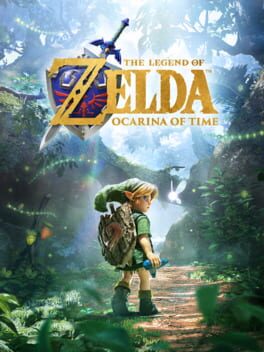
As the calendar flips to mid‑November, the industry finds itself at a crossroads where nostalgia‑driven resurgence and next‑generation ambition collide. Nintendo’s legendary 1998 title, The Legend of Zelda: Ocarina of Time, has once again proven its timeless appeal by moving more than five million units in just four days following a refreshed release, a figure that rivals many modern blockbusters and underscores the potency of legacy IP when paired with contemporary polish. This surge is not merely a sales spike; it reflects a broader consumer appetite for expertly remastered classics that preserve the original’s soul while integrating quality‑of‑life improvements that meet today’s expectations.
Meanwhile, across the Atlantic, Rockstar Games is primed to unleash Grand Theft Auto VI on the 19th of November, a launch that promises to dominate headlines and shape console sales trajectories for the remainder of the year. The juxtaposition of a retro‑centric triumph and a next‑gen juggernaut highlights the divergent strategies of two of the world’s most influential publishers, each leveraging distinct strengths—Nintendo’s deep‑seated franchise heritage and Rockstar’s reputation for boundary‑pushing open‑world design—to capture the attention of a fragmented yet fervent player base.
What Happened?
During a recent developer briefing, Nintendo disclosed that the latest iteration of Ocarina of Time, part of the acclaimed “Master Quest” line‑up, has eclipsed the five‑million mark in a mere 96‑hour window. The company also peeled back the curtain on a long‑standing curiosity: the ReDead enemy, whose iconic, petrifying stare has haunted players for decades, was originally programmed with a more nuanced AI that responded to player proximity and line‑of‑sight before the final design settled on its now‑familiar, static dread. This revelation, coupled with a deep dive into the game’s most subtle remaster tweaks—such as refined texture filtering, rebalanced combat timing, and an overhauled audio spatialization—illustrates Nintendo’s commitment to delivering a version that feels both familiar and freshly immersive.
Concurrently, Rockstar’s promotional campaign for GTA VI has entered its final sprint, with the studio confirming a November 19 release across both current‑gen and next‑gen platforms. The announcement emphasized an unprecedented level of cross‑play integration, a dynamic weather system that reacts to player actions, and a promised expansion of the series’ narrative scope that will span multiple continents. Industry insiders suggest that Rockstar’s aggressive marketing push is designed to capture not only the core fanbase but also to siphon attention away from competing titles that traditionally dominate the holiday window.
Analysis
The Ocarina of Time resurgence serves as a case study in how legacy content can be monetized without alienating purists. By delivering a remaster that respects the original’s pacing while subtly modernizing its mechanics, Nintendo taps into a lucrative niche that bridges the gap between older gamers seeking a trip down memory lane and younger audiences discovering the title for the first time. This strategy also bolsters the Switch’s software library, reinforcing its position as a hybrid console that thrives on a balanced mix of new releases and timeless classics—a balance that has become increasingly vital as the console market saturates.
In contrast, Rockstar’s GTA VI launch is a high‑stakes gamble that could reshape console market share for the 2026 holiday season. The title’s anticipated technical feats—real‑time ray tracing, expansive AI‑driven city ecosystems, and seamless multiplayer integration—set a new benchmark for open‑world design. Should the game meet its lofty expectations, it could accelerate the migration of players from older hardware to the latest generation, pressuring competitors like Sony and Microsoft to accelerate their own flagship pipelines. Moreover, the cross‑play emphasis may erode the traditional console silo, nudging the industry toward a more platform‑agnostic future.
XPLog Opinion
From XPLog’s perspective, the simultaneous celebration of a polished classic and the debut of a next‑gen behemoth epitomises the dual‑track evolution of the medium: reverence for the past fuels the present, while audacious innovation drives the future. Nintendo’s measured, quality‑first approach reminds publishers that longevity is earned through respect for design fundamentals, whereas Rockstar’s all‑in spectacle underscores the necessity of pushing technological boundaries to stay relevant in an era where streaming and live‑service models dominate discourse.
Final Thoughts
As the weekend unfolds, gamers will find themselves toggling between the nostalgic corridors of Hyrule and the neon‑lit streets of Vice City, each offering a distinct yet complementary narrative about where the industry stands today. Keep an eye on sales data through the end of December, monitor community sentiment on platforms like Reddit and Discord, and watch for post‑launch patches that could further define the long‑term legacy of both titles. Whether you’re polishing your Triforce or plotting your next heist, the coming weeks promise to shape the competitive dynamics of the console ecosystem for years to come.