
Overview
XPLog’s long‑standing "What We’ve Been Playing" column may appear as a light‑hearted snapshot of a team’s weekend hobbies, yet it functions as a micro‑cosm of broader consumer sentiment across the core gaming ecosystem. In this week’s installment, the eclectic mix of a monster‑butt‑obsessed indie title, a veteran’s return to World of Warcraft, a newcomer’s first plunge into a classic Zelda adventure, and a viewer’s fascination with visceral combat scenes encapsulates the divergent appetites that studios and platform holders must now reconcile.
Historically, weekly play logs have served as informal barometers for shifting tastes—from the early 2000s focus on blockbuster franchises to the current fragmentation between live‑service behemoths and boutique experiences. The current lineup underscores a resurgence of nostalgia‑driven purchases, a steady appetite for subscription‑based MMOs, and an undercurrent of curiosity toward unconventional, humor‑laden indie offerings. All of these trends intersect at a pivotal moment where console manufacturers, publishers, and streaming platforms are vying for the same fragmented attention span.
What Happened?
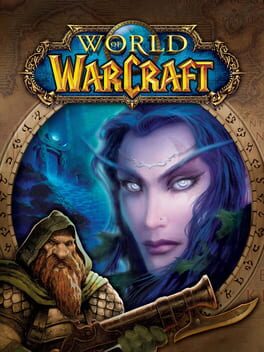
The latest column opens with Marie’s fixation on a quirky indie game that anthropomorphises monster anatomy for comedic effect, a title that, while seemingly frivolous, taps into the rising popularity of “gross‑out” aesthetics that have found commercial success on platforms like Steam and the Nintendo Switch. Connor’s capitulation to World of Warcraft signals that even after nearly two decades, the subscription‑driven MMO model remains a resilient pillar, especially as Blizzard pushes forward with its “Warcraft IV” roadmap and cross‑play enhancements. Kelsey’s discovery of a beloved Zelda entry—her first encounter with the franchise—highlights the enduring pull of legacy IPs, amplified by the success of the “Zelda: Tears of the Kingdom” launch and Nintendo’s aggressive push to re‑introduce classic titles via the Switch Online service.
Finally, Bertie’s enjoyment of a scene where a character receives a face‑punch reflects the ongoing fascination with visceral, hyper‑realistic combat that has been popularized by titles such as “Elden Ring” and “Mortal Kombat 1”. This anecdote, though tongue‑in‑cheek, underscores a market segment that thrives on high‑octane, skill‑based encounters, often streamed to massive audiences on Twitch and YouTube. Together, these four vignettes paint a picture of a heterogeneous player base that demands both nostalgic reverence and fresh, boundary‑pushing experiences.
Analysis
From a market perspective, the juxtaposition of indie novelty, MMO endurance, legacy franchise revival, and high‑intensity combat illustrates the multi‑track revenue strategies that publishers must adopt. Indie titles like Marie’s monster‑butt game benefit from lower development costs and rapid community‑driven discovery, yet they rely heavily on platform curation algorithms and influencer amplification to break through the noise. In contrast, World of Warcraft’s subscription model provides a predictable cash flow that funds ongoing content pipelines, but it also faces churn pressures from younger demographics gravitating toward battle‑royale and hero‑shooter ecosystems. Nintendo’s strategy of leveraging its deep IP library to attract new entrants like Kelsey mitigates the risk of platform stagnation, while the appetite for visceral combat fuels a competitive arms race in graphics fidelity and gameplay polish among console manufacturers seeking to justify next‑gen hardware upgrades.
XPLog Opinion
At XPLog UK, we interpret this eclectic weekly roster as a clarion call for publishers to diversify their portfolios: invest in low‑risk indie pipelines, sustain legacy live‑service ecosystems, and double‑down on the evergreen power of classic IPs, all while nurturing the high‑skill, spectacle‑driven titles that dominate streaming charts. The future belongs to those who can seamlessly blend nostalgia with innovation, offering both the comfort of familiar worlds and the thrill of uncharted, often absurd, gameplay experiences.
Final Thoughts
As the industry hurtles toward an increasingly hybridized landscape—where subscription services, cross‑play, and cloud streaming converge—the seemingly trivial choices of a handful of editors become a predictive lens for where the next wave of player investment will flow. Keep an eye on Q1 2027 releases from both indie and AAA studios, as well as upcoming platform announcements from Sony, Microsoft, and Nintendo that promise to further blur the lines between casual discovery and core dedication.