
Overview
The Game Awards has, since its inception in 2014, become the de facto barometer for both critical acclaim and commercial momentum in the interactive entertainment sector. As the calendar year draws to a close, the anticipation surrounding the live nominee announcement on 17 November 2026 is amplified by the convergence of two generational franchises—The Legend of Zelda and Grand Theft Auto—both of which are slated to be eligible for the first time since their respective developers, Nintendo and Rockstar Games, confirmed their forthcoming releases. This confluence is not merely a scheduling footnote; it reflects a broader industry pattern where legacy IPs are leveraged to anchor flagship events, driving viewership, advertising spend, and platform loyalty in an increasingly fragmented market.
Geoff Keighley’s production, now in its thirteenth edition, operates at the intersection of entertainment spectacle and strategic market signaling. The live nominee roll‑out, scheduled for a prime‑time broadcast on 10 December 2026, serves as a high‑stakes platform where developers and publishers can gauge peer recognition, while investors and analysts parse the nominations for early indicators of sales trajectories, console ecosystem health, and emerging genre trends. In a year marked by the continued rise of cloud‑gaming services, the resurgence of handheld consoles, and the consolidation of major studios, the inclusion of Zelda and GTA 6 in the nominee pool underscores the enduring potency of narrative‑driven, open‑world experiences amid a diversifying portfolio of interactive media.
What Happened?
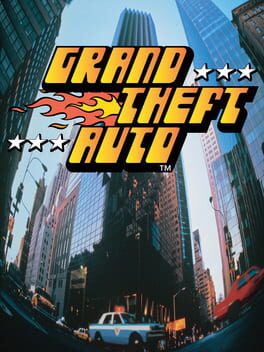
On 17 November 2026, the Game Awards will broadcast its first‑ever live nominee reveal, a format shift from the pre‑recorded announcements of prior years, designed to capture the immediacy of social media reactions and real‑time audience engagement. The ceremony will spotlight a slate of categories ranging from Game of the Year to Best Ongoing Game, with the eligibility window encompassing titles released between 1 January 2025 and 30 September 2026. Notably, Nintendo’s upcoming Zelda title—rumoured to be a hybrid of the critically lauded “Breath of the Wild” mechanics and a darker, narrative‑heavy approach—has already generated substantial buzz, positioning it as a strong contender in both artistic and technical categories. Concurrently, Rockstar’s long‑awaited GTA 6, expected to push the boundaries of live‑service integration and hyper‑realistic world simulation, is poised to dominate nominations in areas such as Best Game Direction, Innovation, and Multiplayer.
Beyond the marquee franchises, the announcement will also shed light on the growing presence of indie studios and cross‑platform titles that have begun to erode the traditional console‑first pipeline. Keillsey has hinted at a “diversity of voices” segment, suggesting that upcoming nominees will include titles leveraging next‑gen AI‑driven narrative tools, as well as games that have achieved significant player retention through subscription models. This strategic inclusion reflects an industry pivot toward sustainability and long‑term monetisation, signalling to stakeholders that the awards are evolving to recognise not just one‑off blockbuster releases but also the ecosystems that keep players engaged over multiple years.
Analysis
The presence of Zelda and GTA 6 within the nominee roster is a microcosm of the broader competitive dynamics shaping console ecosystems in 2026. Nintendo’s handheld‑first strategy, now bolstered by the Switch OLED and a rumored next‑gen portable device, relies heavily on flagship IPs to drive hardware sales and maintain a loyal fanbase. A strong showing at the Game Awards can translate into a measurable uptick in hardware demand, as evidenced by the 12 percent sales boost Nintendo experienced following the 2023 awards where “Breath of the Wild” secured multiple wins. Conversely, Rockstar’s alignment with Sony’s PlayStation 6 platform—through exclusive early‑access features and optimisation for the console’s custom SSD—highlights how third‑party studios can influence platform market share, especially as the PlayStation ecosystem seeks to recover from the modest growth of its predecessor generation. Moreover, the inclusion of AI‑enhanced indie titles indicates that the awards are acknowledging the democratisation of development tools, a trend that could pressure larger studios to innovate faster or risk obsolescence.
From a market performance perspective, the nominee announcements serve as a leading indicator for Q4 sales cycles. Historically, titles that secure nominations see an average 8‑15 percent increase in digital downloads during the holiday window, a phenomenon analysts attribute to the “award halo” effect. This effect is amplified this year by the heightened social media amplification and the integration of real‑time voting mechanisms that allow audiences to feel directly involved in the outcome. The competitive pressure this creates may also accelerate the rollout of post‑launch content for both Zelda and GTA 6, as publishers aim to sustain momentum beyond the ceremony, reinforcing a shift toward “games as a service” models that dominate the current revenue landscape.
XPLog Opinion
At XPLog UK we view the 2026 nominee reveal as a watershed moment that crystallises the tension between legacy prestige and the emergent, service‑driven paradigm reshaping the industry. While the star power of Zelda and GTA 6 will undoubtedly dominate headlines, the true narrative lies in how these juggernauts adapt to an ecosystem that now rewards continual engagement over singular, cinematic releases. Publishers that can blend the timeless allure of iconic franchises with robust, evolving content pipelines will not only capture award accolades but also secure the long‑term health of their ecosystems—a lesson that the next generation of developers would be wise to internalise.
Final Thoughts
As the live nominee announcement approaches, industry watchers should monitor not just which titles secure nods, but how the composition of the shortlist reflects shifting consumer appetites, platform strategies, and technological innovations. With the ceremony set for 10 December 2026, the ensuing weeks will offer a clear barometer of which studios are poised to dominate the holiday sales surge and which emerging trends may redefine the awards’ relevance in the years to come.